

The Reuters Institute’s January 2026 report on journalism, media, and technology trends arrived with a line worth taping above every content team’s desk this year.
Vinay Sarawagi, co-founder and CEO of The Media GCC, put it directly: “Breaking verification will replace breaking news in 2026, and trust will decide who survives.”
Built on interviews with 280 newsroom leaders across 51 countries, the report lays out how publishers are repositioning around exactly that idea, and the conclusions extend well beyond journalism.
The Two-Sided Squeeze Every Publisher Is In
Publishers are now caught between two pressures at once:
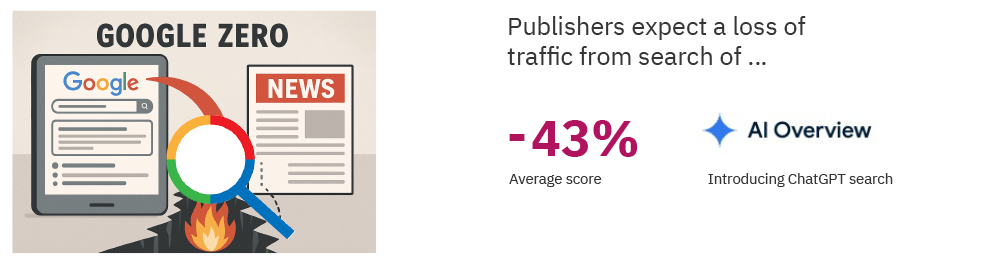
a. AI Answer Engines are Intercepting Referrals: Google AI Overviews and ChatGPT serve the answer directly to the reader, with publishers projecting a ∼40% drop in search referrals over the next three years.
b. The Creator Economy is Pulling Attention Away: Individual experts build followings faster than institutional brands, and 39% of newsroom leaders worry about losing top editorial talent to that ecosystem.
What survives the squeeze is the narrow band of content AI cannot reproduce and readers can verify as authentic.
Where Editorial Priorities Are Shifting
The Reuters survey captured the priority shift quantitatively:
a. Original investigations gained +91 net points.
b. Contextual analysis gained +82 points.
c. General news, the kind a chatbot can produce for free, dropped -38 points.
Taneth Evans of The Wall Street Journal summarized the strategy as: “The best response from journalism is to double down on what makes us valuable and unique.”
For any expert-led publisher, the content categories that fit that bar are:
a. Client cases with real numbers.
b. Original research in a specific niche.
c. Expert commentary on current events.
d. First-hand product breakdowns.
In each case, the only source for that content is the publisher themselves.
Verification Just Moved From Ethics to Product
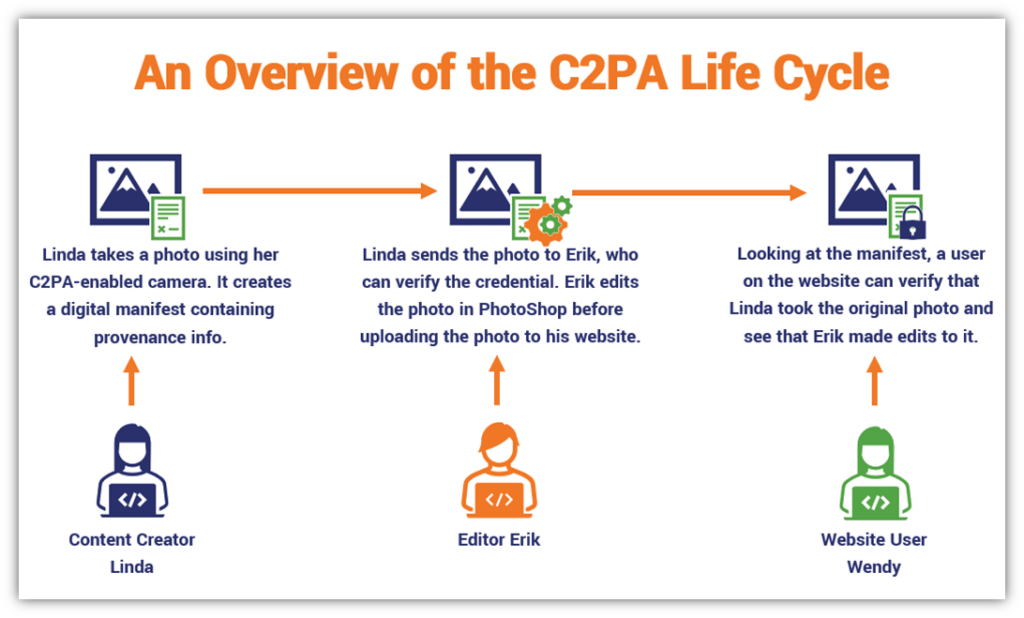
AI verification used to live inside editorial workflows as part of professional ethics. In 2026, it is becoming a visible product feature. Joshua Ogawa of Nikkei flagged C2PA (Coalition for Content Provenance and Authenticity) as core newsroom infrastructure, and Shuwei Fang of Harvard’s Shorenstein Center described the moment as an opening to build a new product helping audiences distinguish real from generated content.
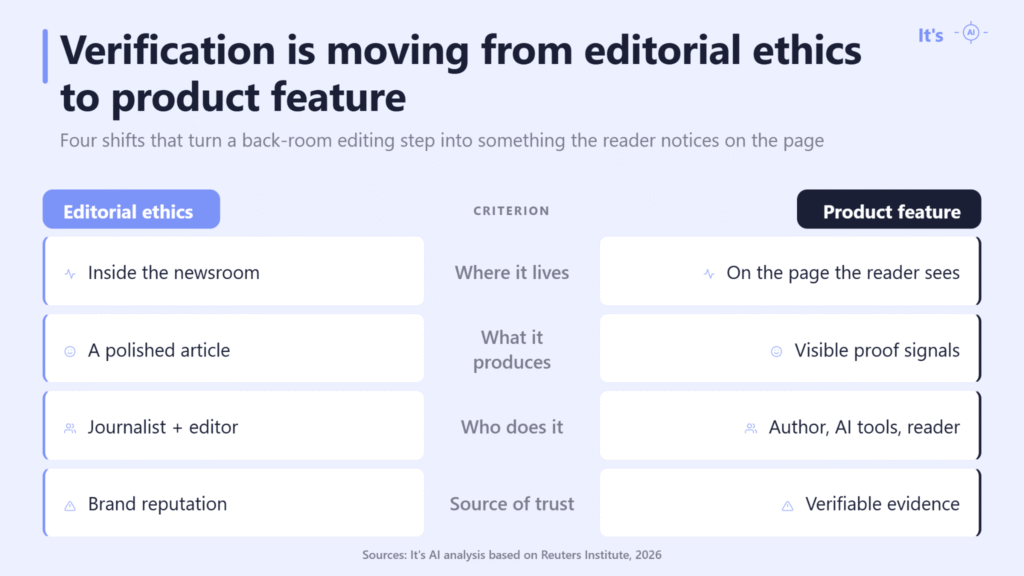
The verification stack now operates across three layers:
a. Image verification through C2PA, which establishes origin and edit history.
b. Source verification through inline citations and working links.
c. Text verification through tools like It’s AI (Bittensor Subnet 32), which flag whether copy was written by AI before it reaches the reader.
Where It’s AI Fits in the Stack
The text layer is the one most publishers are still missing, and It’s AI is built specifically to close that gap.
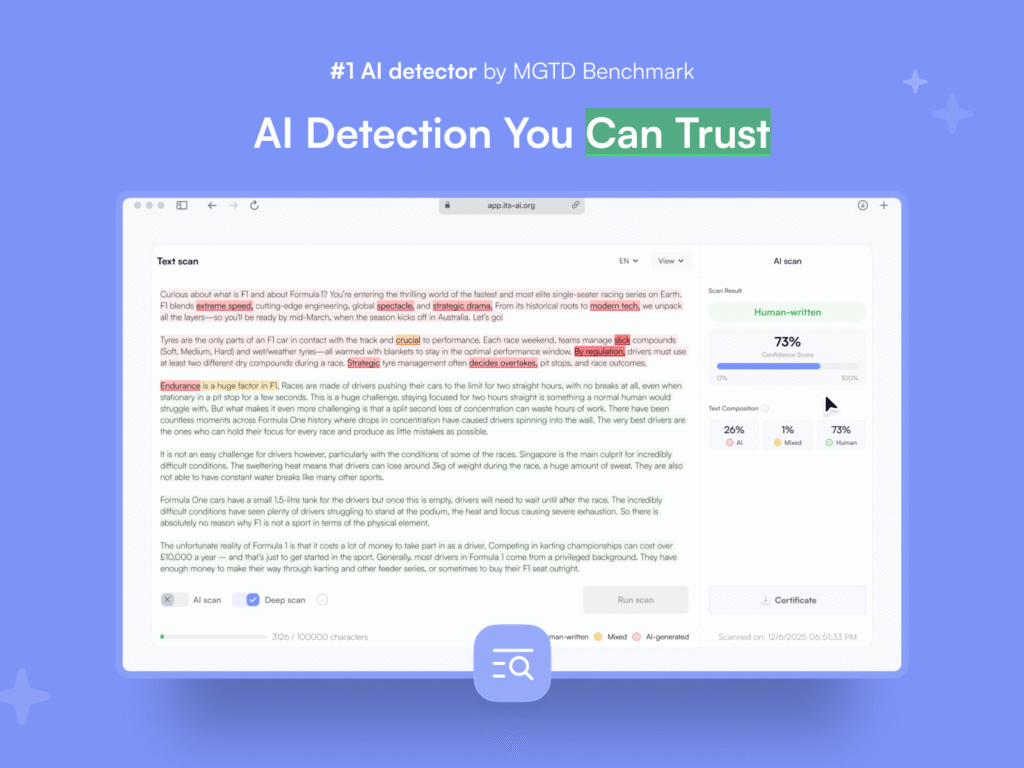
What makes it useful as a workflow tool:
a. Pre-publish integration, functioning as a final editorial check before content goes live.
b. Visible signal to readers, surfacing verification results on the page rather than burying them in QA.
c. Operational simplicity, scaling across high-volume content operations without adding meaningful overhead.
d. Direct alignment with the Reuters finding, since Sarawagi’s call for verification to replace breaking news only works if readers can actually see and trust the verification tool.
What This Actually Means
The Reuters report is technically about journalism, but the argument applies to anyone publishing in 2026.
The squeeze from AI answer engines is real, the pivot toward irreproducible content is already happening at scale, and verification is moving from invisible workflow steps to visible product features. Trust is now the content (No longer the byproduct of good content.)
The publishers who move first to make that trust visible, with tools like It’s AI making it possible, are the ones who will still have an audience three years from now.
Enjoyed this article? Join our newsletter
Get the latest TAO & Bittensor news straight to your inbox.
We respect your privacy. Unsubscribe anytime.
Enjoyed this article?
Join our newsletter
Get the latest TAO & Bittensor news straight to your inbox — every morning before markets open.


No comments yet — be the first.