


Most subnet updates blur together at a certain point, where the same vocabulary and the same vague roadmap promises start to flatten everything into background noise. Gavin Zaentz’s second media chat with Gordon Frayne is not one of those updates.
Five months after their first conversation, Leadpoet (Subnet 71) shipped a new incentive mechanism, pivoted its go-to-market entirely, started building outcome-based pricing into the platform, and launched an A/B test against Apollo to prove the lift it claims with hard numbers.
These are the seven moments from the conversation:
1. The Mechanism Shifted From Sourcing Leads To Fulfilling Requests
Leadpoet’s original incentive mechanism rewarded miners for submitting high-quality leads into a growing database, but the model produced exactly what the team set out to disrupt:
a. Volume kept growing, but quality decayed over time as the database aged.
b. Static databases like Apollo and ZoomInfo work the same way, which meant LeadPoet was drifting toward becoming what it had set out to replace.
c. After generating millions of leads, the team realized incentives needed to point at request-specific quality, not raw submission volume.
The new mechanism, called Fulfillment, treats each user request as its own competition. Miners surface leads matching the specific request, the system validates and ranks them, and only the top-scoring miners get rewarded for that request.
2. Miners Are Not Building Databases Anymore, They Are Building Agents
Because requests cycle on short time windows, miners cannot stay competitive through manual research:
a. Speed Requirement: Multi-hour fulfillment windows make manual qualification non-viable, forcing automation.
b. Cross-Industry Flexibility: Top miners need agents that handle marketing, consulting, construction, and SaaS (Software-as-a-Service) requests interchangeably.
c. Signal Interoperability: The 10 to 20 core signals miners hit most often (hiring data, tech stack, PR, social media, financial filings) translate across industries.
The mechanism design is making “build a dynamic agent” the only viable path to winning rewards.
3. Fulfillment Requires Subnet ‘$ALPHA’ Tokens For Every Lead
The new pricing model is one of the most structurally significant changes:
a. Miners get paid a certain amount of $ALPHA per lead.
b. The system charges a higher amount of $ALPHA for that same lead, creating positive net flow into the subnet economy.
c. The platform layer handles fiat-to-$ALPHA conversion so non-crypto-native customers never touch a wallet.
This is what makes the subnet economically sustainable rather than reliant on protocol subsidy.
4. The Go-To-Market Pivoted Upmarket, Hard
LeadPoet launched with a $150/month SaaS model targeting startups and sales agencies, and that segment turned out to be the wrong one entirely. Price-sensitive customers defaulted to spray-and-pray outreach, which is exactly what LeadPoet was built to disrupt. The pivot has been deliberate:
a. Minimum pricing moved from $150/month to at least $1,000/month, with annual contracts targeting five- to six-figure totals.
b. The new ICP is enterprise and mid-market clients selling products in the $100,000 to $1 million range.
c. A publicly listed investment bank is currently piloting the platform, with roughly 10 enterprise clients in the active pipeline.
Clients selling million-dollar products can comfortably pay $100 per lead, because their employees’ time is worth more than that.
5. Outcome-Based Pricing Is The Next Evolution
LeadPoet is in active conversations with clients about outcome-based pricing, structured like this:
a. Clients pay a low baseline fee that covers subnet costs.
b. The platform captures meaningful revenue only when a lead actually converts.
c. On a $1 million contract, the platform could capture $50,000 to $100,000, but only on the conversion.
The misalignment in legacy tools is structural, since Apollo and ZoomInfo only make money by selling more leads, not better ones. LeadPoet’s model flips that incentive entirely.
6. The Roadmap Extends Well Beyond Lead Generation
Two specific products are next after fulfillment stabilizes:
a. Continuous Intent Signal Monitoring: Refreshes signals on existing leads and accounts in near real time, surfacing changes like new hires, competitor partnerships, or shifts in company focus mid-cycle.
b. Outreach Co-Pilot. Drafts and refines messaging based on what is actually converting. Co-pilot rather than autopilot is deliberate, since high-ticket sales teams want their hand on every message going to a potential million-dollar customer.
The longer-term shape is a full-funnel sales intelligence platform, not just a lead vendor.
7. The Apollo A/B Test Is Running Right Now
Leadpoet started its own outbound this week and built the campaign as a direct A/B test against Apollo:
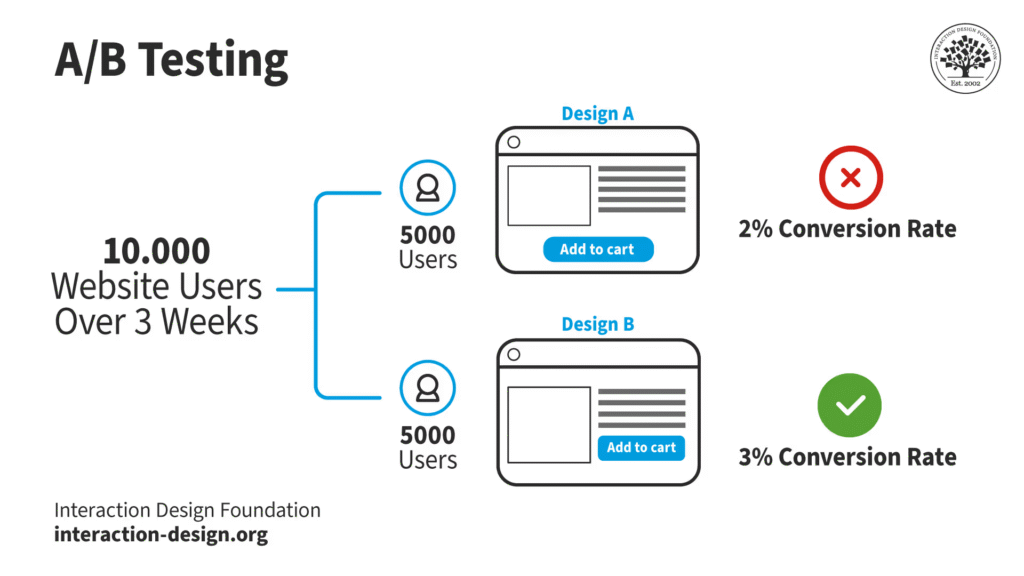
a. The test will run for months to collect statistically meaningful data.
b. Both platforms feed leads into matched outreach campaigns with tracked open and conversion rates.
c. The endpoint is a defensible case study with hard numbers, not anecdotes.
Once the data is in, the pitch becomes mechanical: switch from Apollo to LeadPoet, save money, save time, and here is the lift number.
What This Really Means
What separates this update from a typical six-month check-in is that almost every move LeadPoet has made in this stretch has been structural rather than cosmetic. The mechanism changed, the ICP changed, the pricing model changed, and the roadmap is reaching into territory most lead-gen platforms never touch. The thesis has not shifted, since global competition still beats centralized labs at producing better outputs, but the execution has gotten significantly sharper around what that thesis is worth in real dollars. The Apollo test will tell the rest of the story.
Enjoyed this article? Join our newsletter
Get the latest TAO & Bittensor news straight to your inbox.
We respect your privacy. Unsubscribe anytime.
Enjoyed this article?
Join our newsletter
Get the latest TAO & Bittensor news straight to your inbox — every morning before markets open.

No comments yet — be the first.