


A subnet owner did not have to do anything to make money on Bittensor. Register the slot, set miner burn to 100%, handle a couple of technical configurations, and the emissions flow regardless of whether a product exists, a GitHub is public, or any work gets shipped.
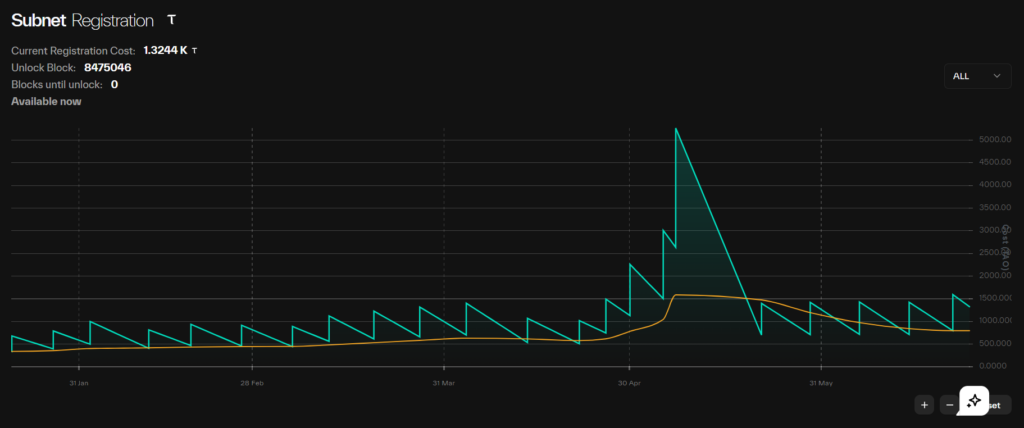
A new video from TAO Templar walks through the wallets of multiple recently registered subnets to make the point concretely, showing how close several of them are to breaking even on their registration cost without producing anything visible.
The argument is that this is an exploit vector still open in the Bittensor incentive system, and that buying subnet ‘$ALPHA’ tokens on these new subnets is effectively underwriting the break-even of operators who have shipped nothing.
The Pattern Across New Subnets
The video did a survey into subnet owner wallets one by one, comparing the registration cost paid for the slot against the current value sitting in the owner’s wallet (plus $ALPHA already transferred out to associated wallets).
The general pattern is that the older a subnet is in this list, the higher the chance it has already broken even, and several have done so without a product, without a public GitHub, and without any evidence of work being shipped.
Why The Exploit Stays Open
The mechanism behind the break-even pattern is not complicated: Once a subnet is registered, it receives emissions regardless of what it produces, and the owner can capture those emissions through the $ALPHA that the chain mints on every block.
Several structural factors make the exploit attractive:
1. Registration is the only required action: Beyond paying for the slot, a basic identity update, and configuring miner burn, the owner does not need to engage with the product side of Bittensor at all.
2. The four-month immunity period protects the slot: During immunity, the subnet cannot be deregistered for poor performance, which guarantees runway for the emissions to accumulate.
3. Some owners likely inject $TAO back into the pool: A subnet owner with $TAO can purchase $ALPHA in their own pool to manipulate the price and emissions vector, and operators who understand TAOFlow deeply may have calculated this to be profitable.
4. The arc covers the exit: Most subnets follow the same pump-and-decline shape, and owners can exit alpha during the early hype phase before the slow decline catches up.
The point is that this is understandable inside the broader logic of Bittensor as an incubator, where 95% of subnets are expected to fail and the 5% that succeed carry the network forward.
The problem is that the current incentive structure rewards even the failures financially, which means there is no penalty for registering a slot purely to extract emissions.
Actionable Steps for dTAO Traders
dTAO traders should be aware that buying new subnets in their early phase is effectively underwriting the break-even of operators who might have shipped nothing, since the emissions and price action that take them to profitability come from capital flowing into the pool.
Recommendations:
1. Do not invest in new subnets during the immunity period. The risk-reward is poor when the subnet has not had time to demonstrate product or revenue.
2. Wait for the price to decline before considering an entry. Most subnets follow the arc of an initial pump on announcement, followed by a long slow decline, and the better entry sits well into the decline.
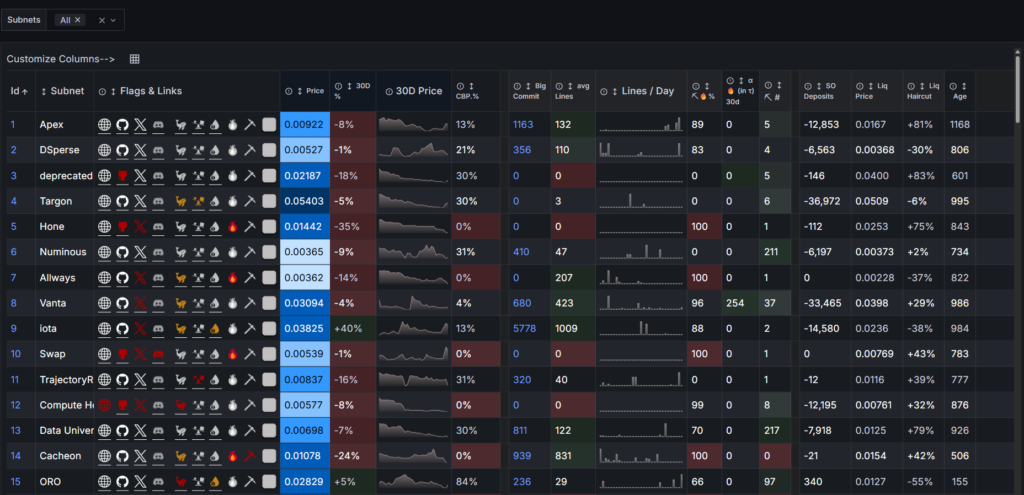
3. Look at the subnet’s actual output before allocating capital. A public GitHub, visible product work, and active development are the basic filters for separating the operators trying to build something from the ones extracting emissions.
4. Be aware of subnet owner wallet activity. Transfers out of the subnet owner wallet to connected wallets, combined with alpha selling, often signal that the owner is positioning to exit rather than reinvest.
The broader argument is that buying into the hype phase of a new subnet has worse expected value than waiting for the decline phase of a subnet that has already gone through the cycle and is producing something.
The capital that flows into the early-phase subnets is what funds the extraction, and recognizing that pattern is the first step in pricing $ALPHA more accurately.
Past the Immunity Period
The analysis ends on a solution that would close the exploit at the protocol level rather than at the trader level. Requiring a subnet to be active for a year before hitting break-even on the registration cost would change the incentive structure for would-be extractive operators, since the break-even math would no longer work without sustained engagement.
The current four-month immunity period is too short to filter out operators who are willing to register a slot and wait passively for emissions to compound. The chain has already started addressing related issues with the recent reward function upgrade that makes burning miner emission cost chain emission, but the broader question of how long a subnet should have to operate before achieving break-even on its registration cost remains open.
Until that gets addressed, the viable protection of subnet investors remains: stop funding the early phase of new subnets, and let the operators who are not building wait out the immunity period before getting paid.
Enjoyed this article? Join our newsletter
Get the latest TAO & Bittensor news straight to your inbox.
We respect your privacy. Unsubscribe anytime.
Enjoyed this article?
Join our newsletter
Get the latest TAO & Bittensor news straight to your inbox — every morning before markets open.


No comments yet — be the first.