

RedTeam (SN61) built by Innerworks is now being tested by five enterprise platforms with combined valuations exceeding $22B, reaching over 900 million accounts and processing more than 1 billion weekly transactions.
The subnet works as an adversarial R&D system where miners operate as ethical hackers across three live challenges, exposing browser automation, VPN use, and the operating systems behind connections so Innerworks can detect suspicious traffic in real time.
What sets the model apart is the compounding loop between miner attacks and Innerworks defenses, which is exactly what turned an 11-month challenge into state-of-the-art bot detection.
The Cybersecurity Problem RedTeam Was Built to Solve
Attackers use bots, spoofed devices, and VPNs to appear legitimate, and they adapt to every new defense the industry ships.
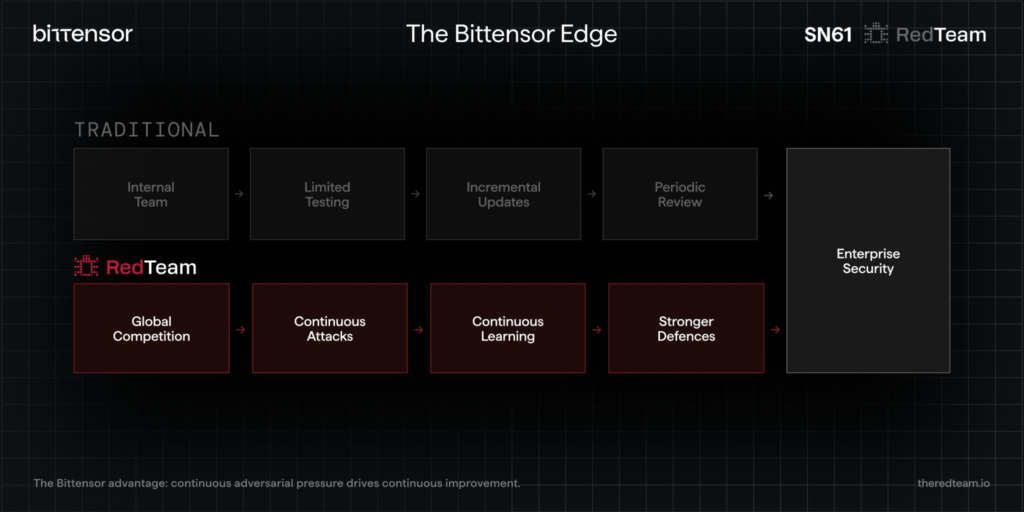
1. Detection lags attacks: Most security teams only discover new techniques after attackers have already used them in real breaches, forcing defenders into a permanent catch-up posture.
2. Internal red teams are too small: Most cybersecurity companies rely on internal teams to improve defenses, which caps how fast defenses can evolve against a global adversary.
3. The economics favor attackers: Attackers only need to find one bypass. Defenders need to close every bypass, in every environment, at all times.
RedTeam inverts the structural disadvantage by turning red-teaming itself into an open incentivized competition across a global network of hackers.
How the Adversarial Loop Works
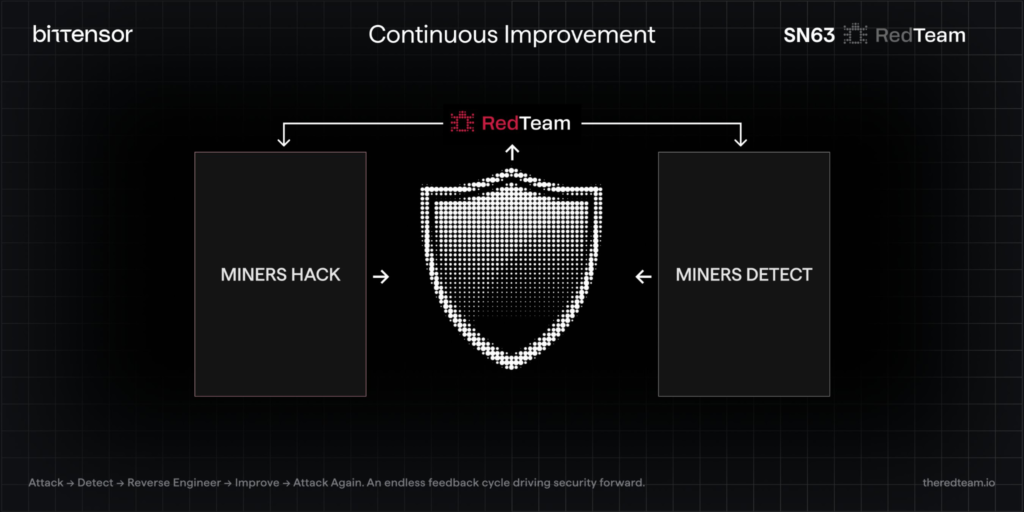
Miners on RedTeam operate as ethical hackers, and the loop between attack and defense compounds automatically.
1. Three live challenges run continuously: Browser automation, VPN detection, and operating system identification, each targeting a different signal attackers try to hide.
2. Miners build human-like bots that bypass detection: In the previous bot-detection challenge, miners specifically built bots capable of defeating the current defenses.
3. Innerworks reverse-engineers each bypass: Every successful attack becomes a defense update, integrated into the production system.
4. Miners attack again: With updated defenses live, miners iterate on new bypasses, and the cycle repeats 24/7.
5. The result is a permanent adversarial R&D team: Innerworks gets a global network of attackers whose entire job is making the defense system stronger.
The Numbers That Won the Enterprise Pilots
The 11-month RedTeam challenge produced results Innerworks kept private during their stealth phase and are now releasing as they compete directly for enterprise contracts.
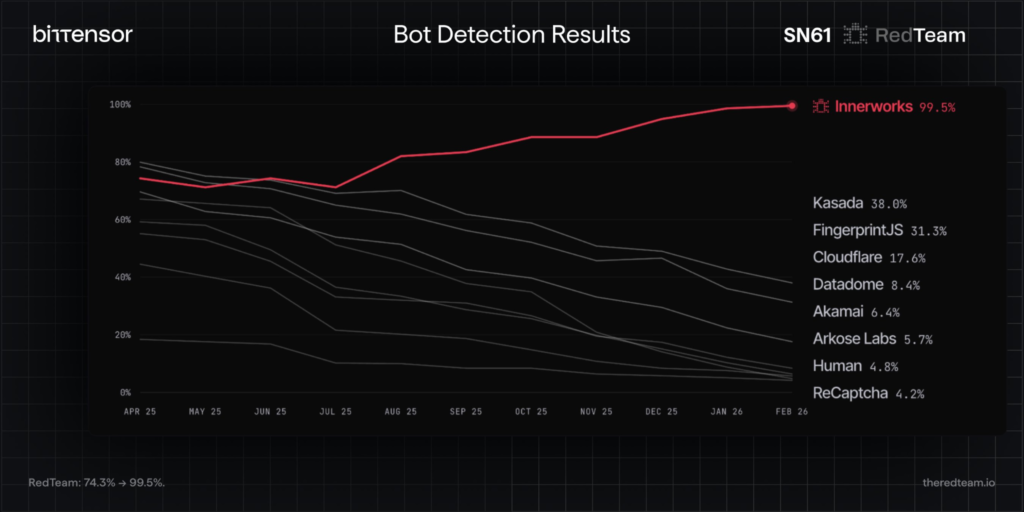
1. Innerworks detection rate went from 74.3% to 99.5%.
2. Competitor average detection fell from 59% to 14.6%.
3. Innerworks is now state-of-the-art bot detection among tested vendors.
4. 125M+ daily users are already protected through paying clients.
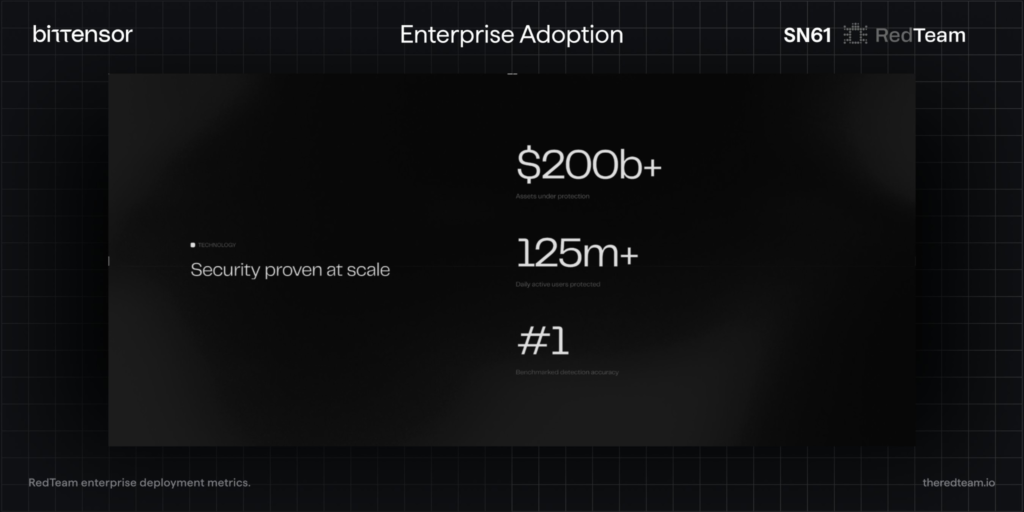
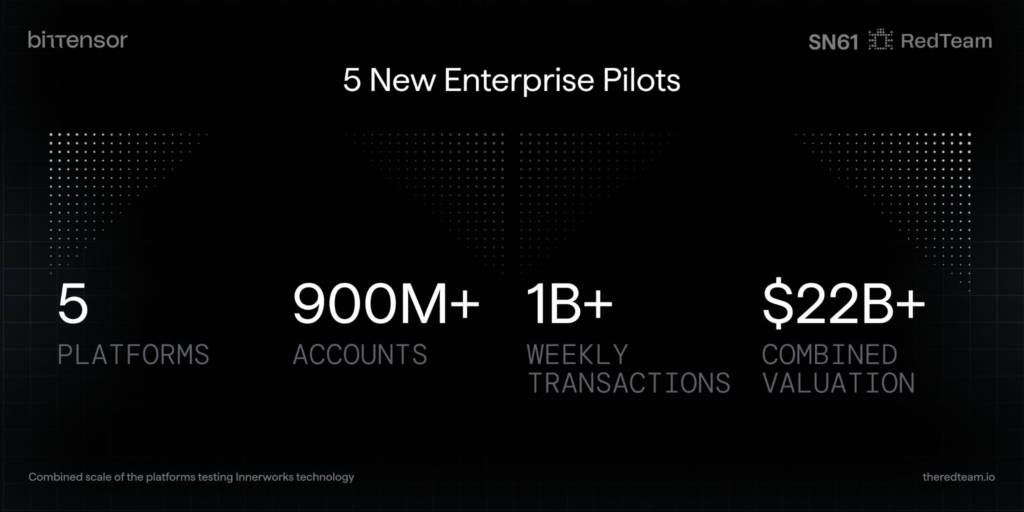
5. 5 new enterprise pilots underway: Combined value exceeds $22 billion, reach exceeds 900 million accounts, and volume exceeds 1 billion weekly transactions.
The gap between Innerworks and its competitors widened by roughly 44% points over 11 months, which is the kind of separation that closes enterprise deals in a category where every point of detection accuracy translates directly to fraud prevention.
What’s Next: Bot Virus and the Immune System
RedTeam is preparing to launch Bot Virus, expanding the bot-detection challenge across every category of bot attack.
1. Bot Virus broadens challenge coverage: Every attack type gets pulled into the competitive loop.
2. Bot Virus powers the Immune System: New attacks and defenses develop in parallel, anticipating threats before they reach clients.
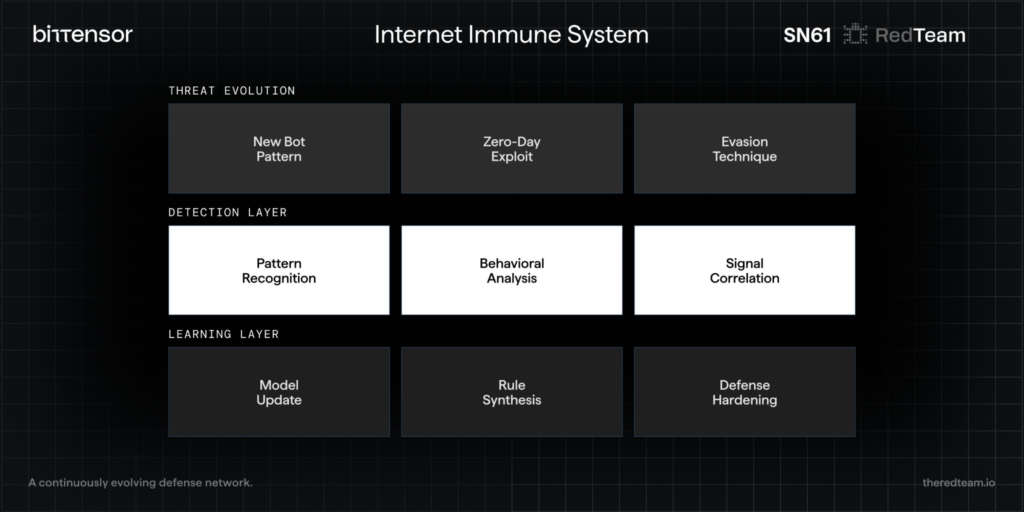
3. The model becomes predictive rather than reactive: Instead of catching attacks after they happen, the system generates the attacks internally and closes them before external actors find them.
The Unfair Advantage of Adversarial Bittensor
Every cybersecurity company is building defenses, but almost none have a permanent global network of incentivized attackers whose full-time job is finding weaknesses.
Bittensor’s incentive layer gives Innerworks exactly that, and its 11-month detection curve shows what the model can produce in a category where offense and defense are constantly competing.
For subnet teams looking at how decentralized incentives can translate into real commercial traction with enterprise buyers, RedTeam stands out as one of the sharper working examples currently shipping.
Five enterprise pilots reaching nearly a billion accounts is the kind of result that makes Bittensor’s adversarial model difficult for centralized security vendors to match.
Enjoyed this article? Join our newsletter
Get the latest TAO & Bittensor news straight to your inbox.
We respect your privacy. Unsubscribe anytime.
Enjoyed this article?
Join our newsletter
Get the latest TAO & Bittensor news straight to your inbox — every morning before markets open.


No comments yet — be the first.