Full article by: Subnet Summer
If you’ve been scrolling through Bittensor discussions lately, you’ve probably seen the confusion. People often group Subnet 55 ( @NiomeAI ) and Subnet 107 ( @theminos_ai ) together because both focus on genomics, the study of genomes and DNA.
They are related, but they are not the same. Each tackles a different part of the problem using decentralized AI on Bittensor.
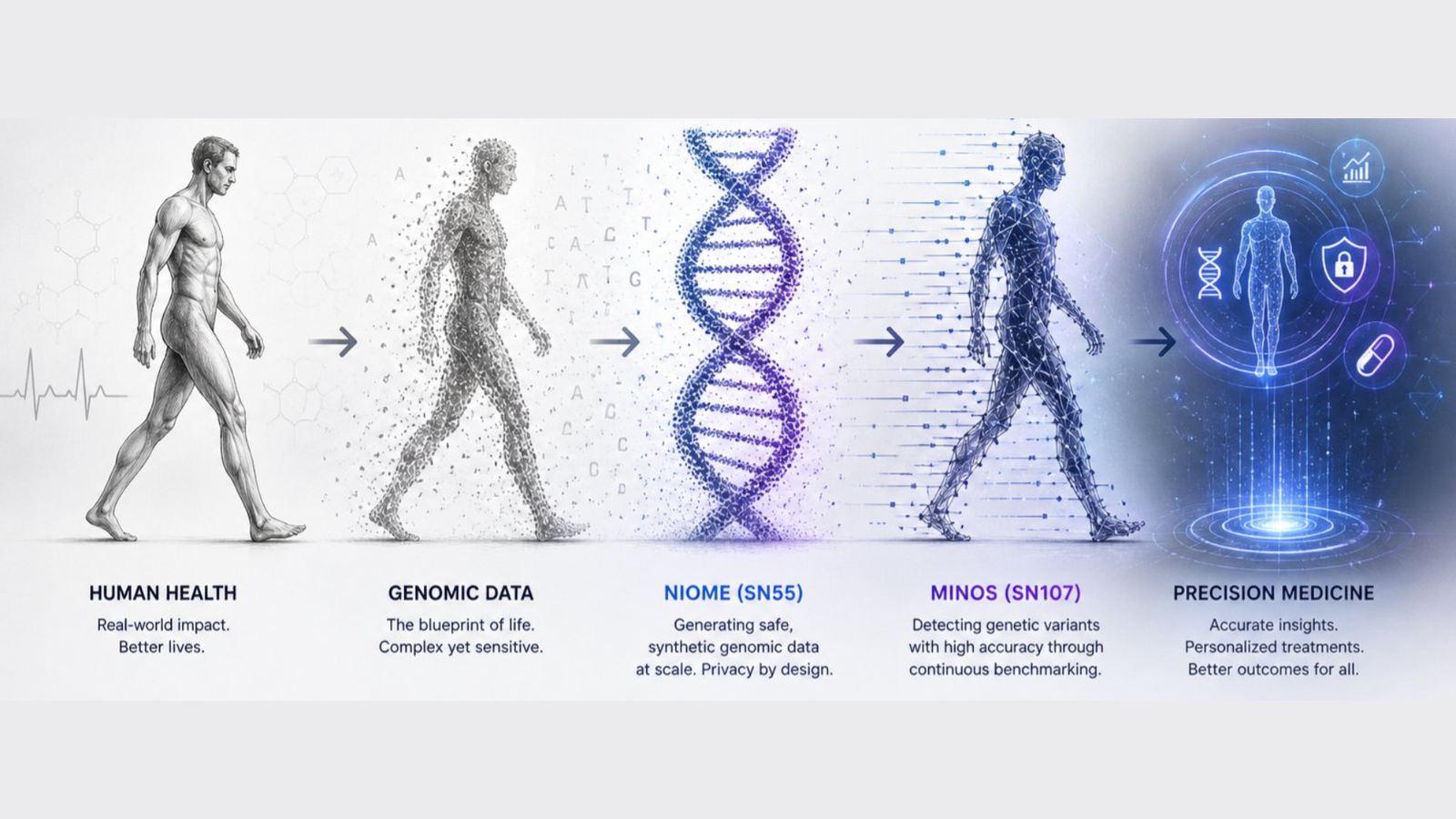
Niome focuses on creating safe, synthetic genomic data to support research without exposing real patient information.
Minos focuses on improving how genetic variations are detected with high accuracy through continuous benchmarking.
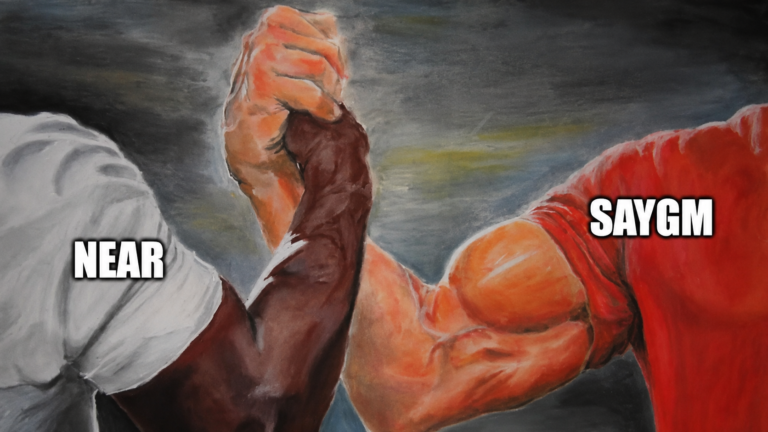
One produces the data. The other refines the analysis. Together, they point toward a broader goal: making precision medicine more accessible, private, and reliable in a world where health data is both valuable and sensitive.
They are complementary, not competitors. To understand why this matters, it helps to look at the real-world problems they are addressing.
The Global Health Crisis: Why Genomics Matters Now More Than Ever:
The world is struggling in healthcare, and the numbers paint a sobering picture. Post-COVID setbacks, aging populations, rising chronic diseases, and data privacy challenges have created a perfect storm.
Here’s some key data:
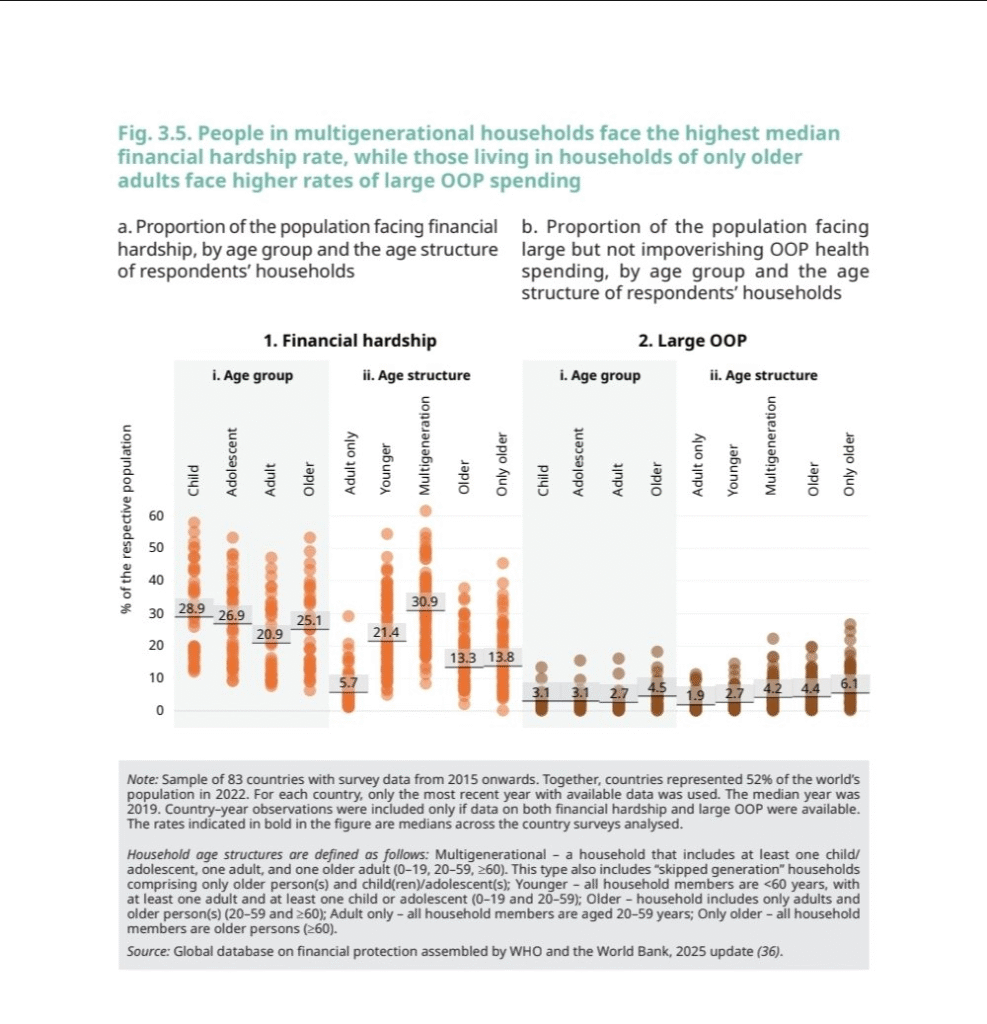
▫️ Access to essential health services is still out of reach for billions: Around 4.6 billion people worldwide lack full access to essential health services, while 2.1 billion face financial hardship from healthcare costs. Progress toward universal health coverage has been slow and uneven.
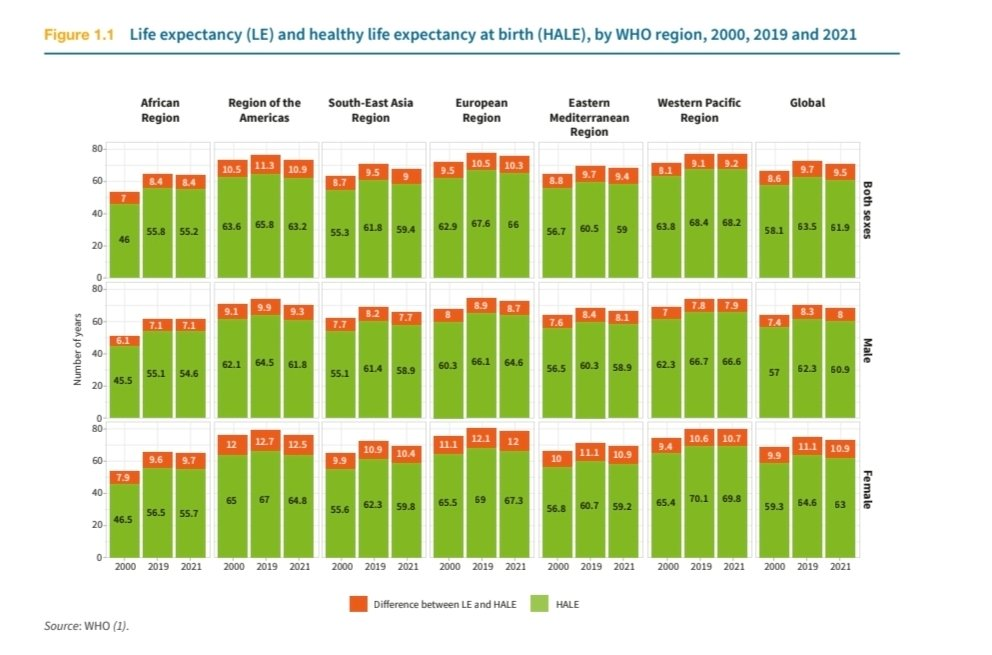
▫️ Life expectancy took a major hit: Global life expectancy dropped by about 1.8 years between 2019 and 2021 due to the pandemic, erasing a decade of gains in some regions. Recovery has been fragile.
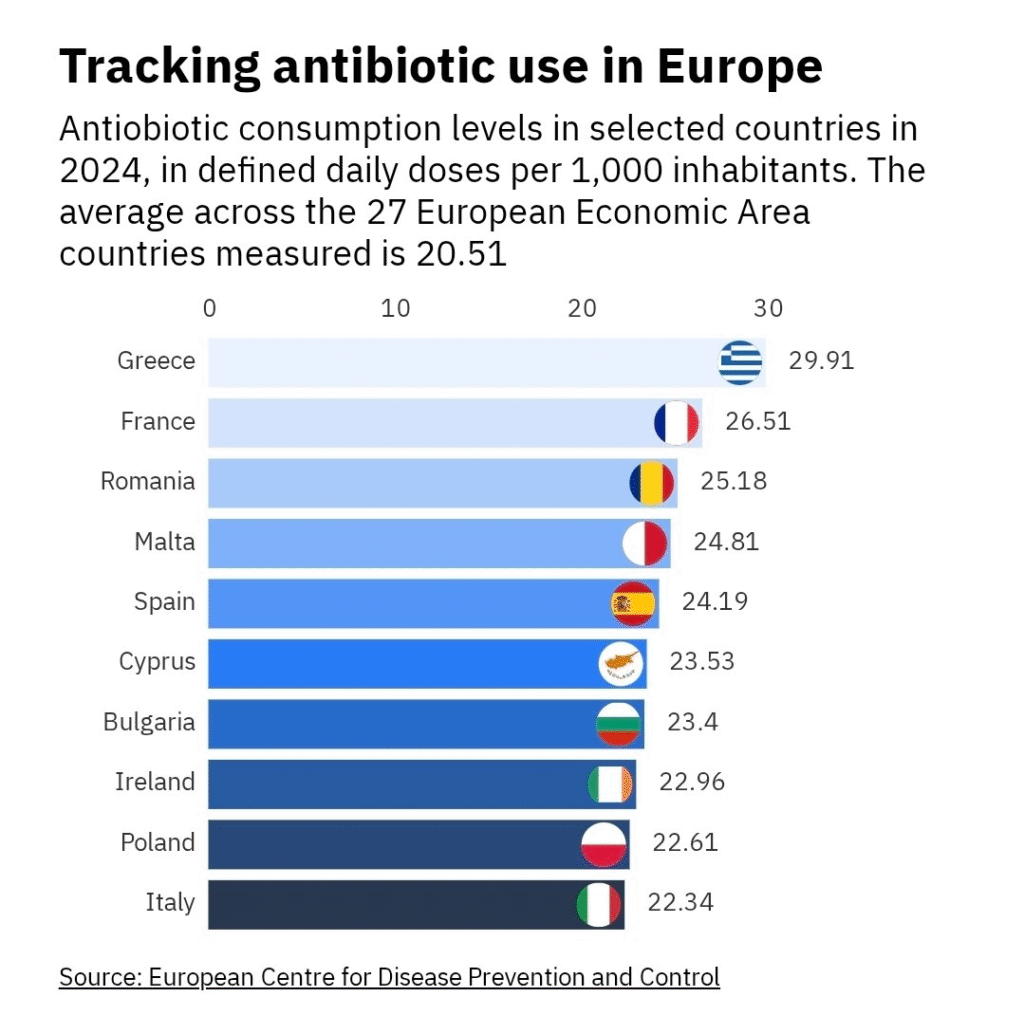
▫️ Antimicrobial resistance (AMR) is a ticking time bomb: Drug-resistant infections already contribute to around 5 million deaths per year. Without action, this could rise to 10 million annual deaths by 2050, potentially rivaling cancer as a leading cause of mortality.
Workforce shortages and rising costs: Health systems face massive staffing gaps. @McKinsey estimates a potential shortfall of at least 10 million health workers globally by 2030. Operational costs are also rising rapidly, with labor alone in U.S. hospitals increasing significantly in recent years.
▫️ Non-communicable diseases (NCDs) and aging populations: Chronic conditions like cancer, diabetes, and heart disease dominate, while the number of people aged 60+ is projected to reach 2.1 billion by 2050. Precision approaches tailored to individual genetics are seen as key to managing this.
On top of this, genomic data privacy is a huge barrier. Real human genomes are incredibly sensitive. Leaks can lead to discrimination in insurance or employment.
Regulations like GDPR and HIPAA make sharing real data difficult for researchers. At the same time, massive and diverse datasets are needed to train AI for better diagnostics, drug discovery, and personalized treatments.
This is where decentralized AI on Bittensor comes in. Both subnets use incentive-driven networks of miners and validators to push genomics forward without relying on centralized entities that hoard data or create single points of failure.
What Niome (Subnet 55) Is Actually Doing:
Niome generates high-quality synthetic genomic data. These are artificial DNA sequences that replicate the statistical properties of real genomes without containing any real patient information.
Miners produce this data using advanced AI models, and validators check that it is statistically indistinguishable from real data while remaining privacy-safe.
Core problems it solves:
▫️ Lack of large-scale, diverse genomic datasets for precision medicine research
▫️ Privacy risks and regulatory hurdles that slow down AI training in healthcare
▫️ Need for scalable, compliant data to accelerate discoveries in cancer, rare diseases, and pharmacogenomics
By creating synthetic genomes, Niome enables researchers to train models, test hypotheses, and develop tools without touching sensitive real data.
It has already recorded notable progress, including an official government partnership in its home region and collaborations such as AWS grants and MIT ties mentioned in ecosystem updates. This could unlock commercial expansion while keeping things decentralized.
In short: Niome is building the data layer for safe genomic intelligence.
Key features:
▫️Produces privacy-preserving genomic profiles
▫️Focus on statistical fidelity so synthetic data behaves like real DNA
▫️Decentralized incentives reward quality output
Official resources for verification:
•> GitHub: https://github.com/genomesio/subnet-niome
•> Website: https://niome.genomes.io/
What Minos (Subnet 107) Is Actually Doing:
Minos focuses on genomic variant calling and benchmarking. Miners compete to accurately detect mutations in DNA sequencing data (BAM files).
Every 72 minutes, the system generates a fresh challenge genome with hidden synthetic mutations injected at the read level. Validators benchmark performance in real time, and the best miners win.
Core problems it solves:
▫️ Inaccuracy or inconsistency in identifying genetic variants, which is critical for diagnosing diseases and guiding treatments
▫️ Lack of continuous, objective benchmarking in a field where errors can have serious consequences
▫️ Need for decentralized, high-precision tools that improve over time through competition
Minos acts like a quality control and improvement layer for the genomics pipeline. It builds the foundational capability to call variants with clinical-grade precision in a distributed way. Its website describes it as “The Foundational Layer of Genomics.”
How it works in practice:
▫️ Challenge genomes are created with HelixForge
▫️ Miners analyze and report variants
▫️ Continuous rounds drive improvement and innovation
Resources:
•> Official site: https://theminos.ai/
•> GitHub: https://github.com/minos-protocol/minos_subnet
How They Complement Each Other (and Why They’re Not the Same):
▫️ Niome (SN55): Data generation + Creates the synthetic raw material safely
▫️ Minos (SN107): Variant detection and benchmarking + Processes and validates genetic insights accurately
A researcher could use Niome’s synthetic datasets to train models, then apply Minos-style variant calling for robust results. Both advance precision medicine by tailoring treatments to genetics, but at different stages of the pipeline.
They are tackling the same broad health crisis from complementary angles: privacy and scalability (Niome), and accuracy and benchmarking (Minos).
This decentralized approach could help address global inequities. In low-resource settings, where real genomic sequencing is expensive and data sharing is restricted, synthetic and benchmarked tools may lower barriers.
Recent Performance: Pricing and Market Snapshot (Last 7 Days):
Bittensor subnets have their own alpha tokens, and their prices reflect community staking, emissions, and perceived value.
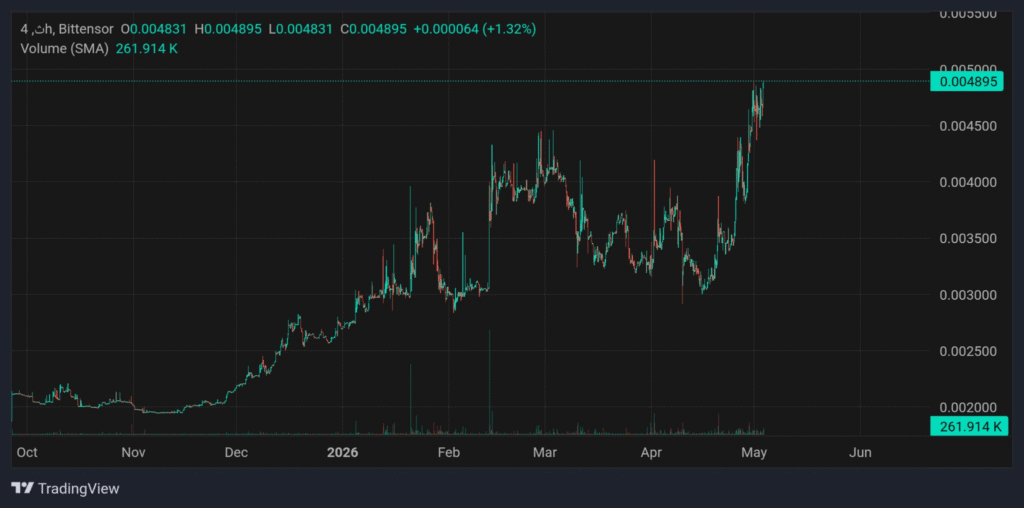
▫️ Niome (SN55 Alpha): Trading around 0.0047 to 0.0049 τ recently. Over the last 7 days, it showed modest gains in the 7% to 15% range, with market cap around 18K to 21K τ. Activity has been steady, supported by a focused community.
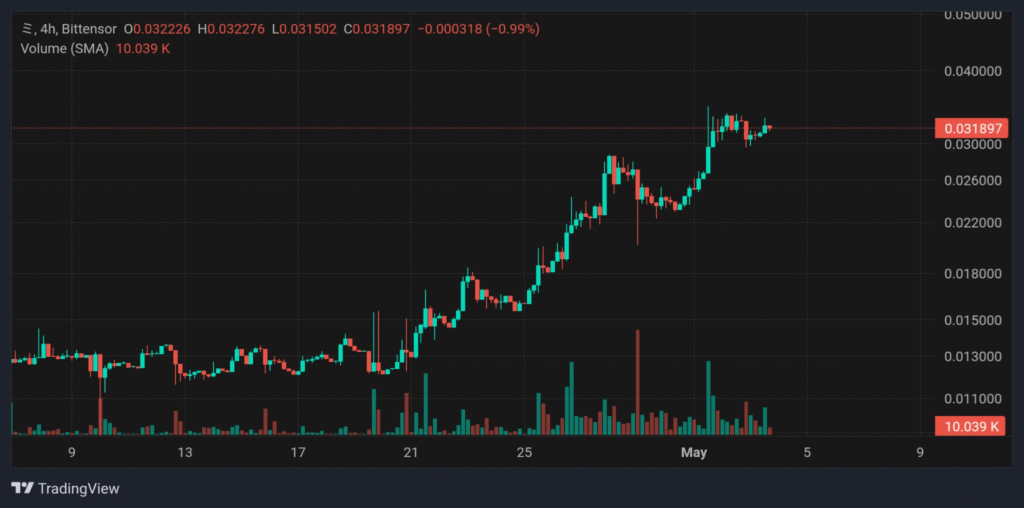
Minos (SN107 Alpha): Trading higher, around 0.030 to 0.031 τ. It saw stronger movement in the last 7 days, with gains around 44%. Market cap sits around 15K to 17K τ, with active miner and validator participation.
Context on broader Bittensor:
$TAO itself has been strong, up roughly 15% to 18% in the past week, lifting many subnets. Subnet alpha values are influenced by staking flows. More demand for a subnet’s utility can translate into higher valuation.
Track live:
•> https://taostats.io/subnets/55
•> https://taostats.io/subnets/107
•> https://taomarketcap.com/
Final Thoughts: A Decentralized Path Forward for Health:
The confusion between Niome and Minos is understandable. They both focus on genomics and AI, but they represent two distinct approaches to solving major global health challenges: data privacy and scarcity, and diagnostic accuracy.
In a world where billions still lack access to basic care and resistant infections continue to rise, decentralized networks like these offer something different. Open incentives, privacy by design, and global collaboration without gatekeepers.
Whether they scale into real clinical impact remains to be seen, but the problems they are targeting are real and urgent.
If you are researching, building, or just curious, start with their GitHub repositories and official sites. The Bittensor ecosystem moves quickly, so it is worth keeping an eye on emissions, partnerships, and real-world adoption.
Enjoyed this article? Join our newsletter
Get the latest TAO & Bittensor news straight to your inbox.
We respect your privacy. Unsubscribe anytime.
Enjoyed this article?
Join our newsletter
Get the latest TAO & Bittensor news straight to your inbox — every morning before markets open.


No comments yet — be the first.