


The US government issued an export control directive this week suspending all access to Anthropic’s Fable 5 and Mythos 5 models for any foreign national, including foreign-national Anthropic employees.
The platform was effectively nuked for everyone, including US citizens. One crypto commentator walked through why this is the cleanest bullish setup for Bittensor and the broader open-source AI thesis in months.
The argument made by Jesus Martinez is that the most powerful closed-source models can be pulled by government order, the case for open weights running locally stops being theoretical.
What Happened With Fable 5 and Mythos
The directive cited national security authorities. The mechanics, as Martinez described them:
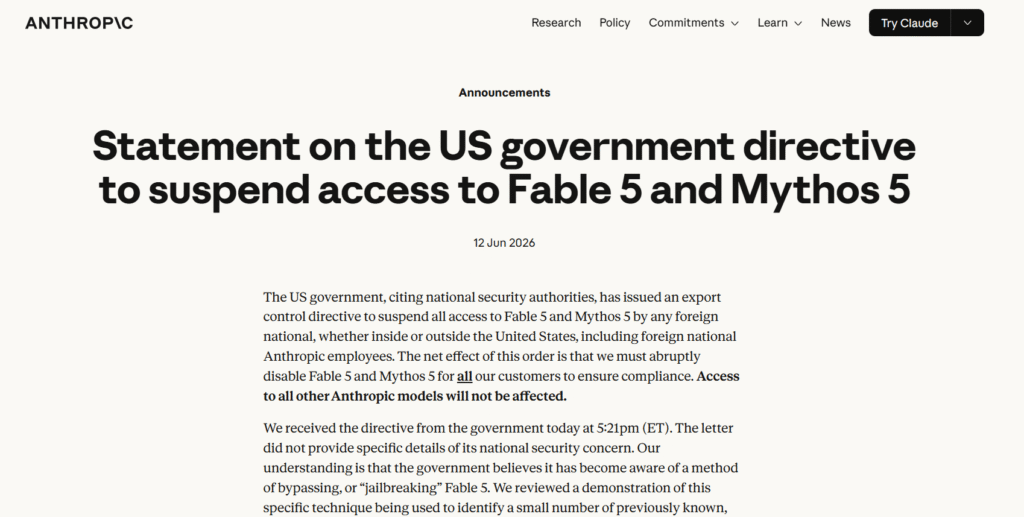
1. All Access To Fable 5 And Mythos 5 Was Suspended For Any Foreign National: Inside or outside the United States, including foreign-national Anthropic employees.
2. The Crackdown Took Down Access For Us Citizens Too: The model was stripped from the platform entirely, not just gated by jurisdiction.
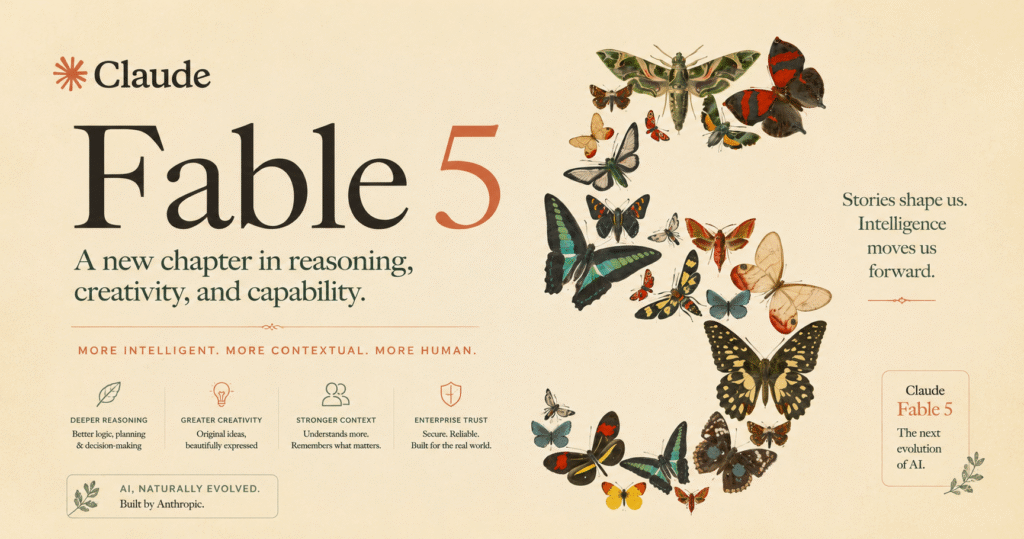
3. Fable 5 Was The Most Powerful Model On The Planet At The Time Of The Announcement: The commentator had been using it for two to three days and called it a complete game-changer for the work he does (data analysis, vibe-coded landing pages, portfolio review tools).
The specific model is not the point. The precedent is.
Why This Is a Bittensor Story
Martinez has been warning for months on his Bittensor podcasts that the day would come when the latest and greatest model would be taken away.
That day arrived, and his take on this is:
1. Open Source Is In: If the frontier can be pulled by government order, the case for running local, open-weight models gets sharper.
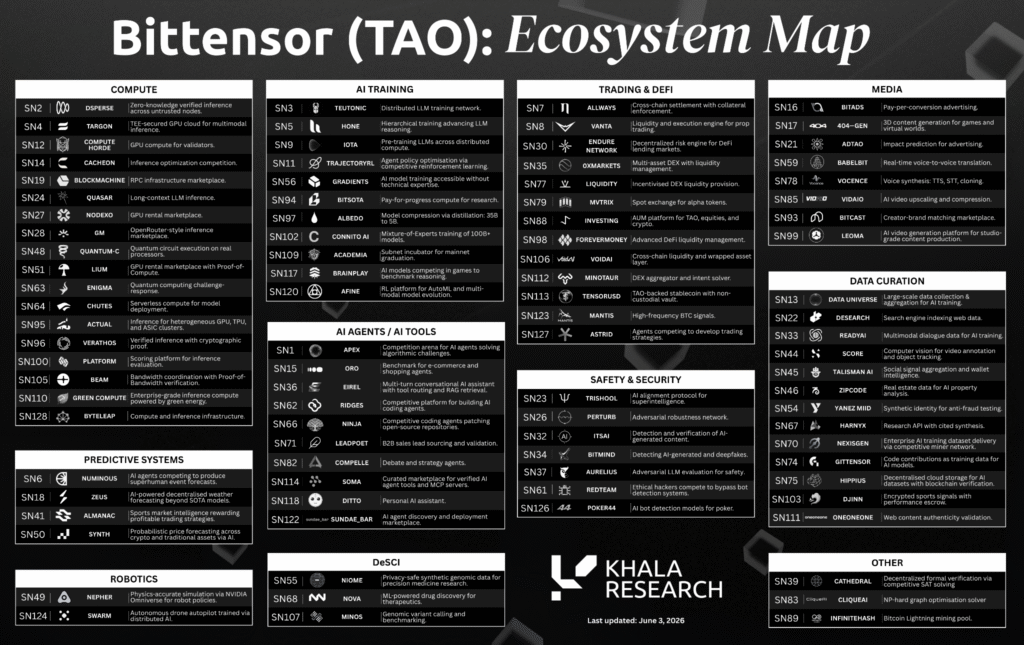
2. Bittensor Has The Stack To Absorb The Demand: Chutes (SN64) is positioned as the inference provider, Targon (SN4) covers GPU compute for AI services, and Hippius (SN75) covers decentralized storage. Most subnets ship open source and open weights.
3. Subnets Are Starting To Attract Inflows Again: Tao Ditto, Gitensor, and Liquidity were called out as outperformers. Actual was named as a new subnet getting attention.
His broader thesis is that the price action in Bittensor today is not isolated. It is liquidity returning to subnets after a prolonged drain.
The Open-Source Track Record
It was argued that the open-source playbook always plays out the same way; slow start, then takeover.
Two examples:
1. AOL Versus The Internet: AOL was closed proprietary technology. The Internet was open. Billions of people contributing to the open standard against a handful of engineers inside one company. The Internet won, decisively.
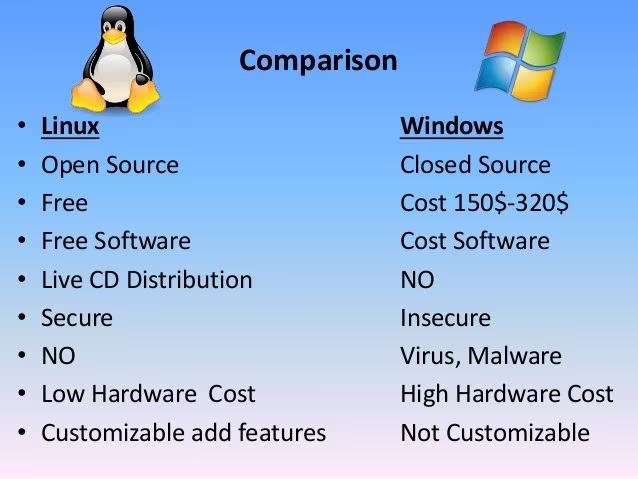
2. Windows Versus Linux. Linux is open and now comprises roughly 95% of all operating systems globally, including every Android device. Windows is closed and still profitable, but it lost the platform war.
His point is that Bittensor is the same shape of bet at a much earlier stage. A network of 128 subnets where the smartest people are paid to contribute the best AI models, with no central authority deciding what gets shipped.
The Marketing Angle on Anthropic
Martinez’s other angle is that the export control is a masterclass marketing event for Anthropic itself. The pattern:
1. Anticipation Of Losing Access Drives Demand: Everyone who was using Fable 5 now wants it back even more. Everyone who was not is now curious.
2. The Model Becomes More Valuable In Absence Than In Presence: The crackdown made it the most-talked-about AI release of the week.
3. Anthropic Benefits Regardless Of How The Policy Resolves: The brand gets the attention, and the user base gets reinforced.
He believes Anthropic is using export control as a marketing front. Whether that interpretation is fair or not, the effect on attention is real.
The Liquidity and Maturity Picture
The structural backdrop the commentator laid out is that Bittensor subnets bled hard when liquidity left the ecosystem during the previous exit. Now liquidity is returning, and subnets historically overperform in that environment.
His take on the maturity timeline:
1. This Is Not A 365-Day Bet: Open source is not competitive with frontier closed-source models yet, and will not be for at least another year or two.
2. DeepSeek Released A Roughly Two Trillion Parameter Model: It is taking market share against American labs, and it is still not at frontier capability.
3. Local Models On Consumer Hardware Are Not There Yet: He runs a Mac Mini and Mac Studio with capable RAM and tested local models himself. Nowhere near a frontier in his experience.
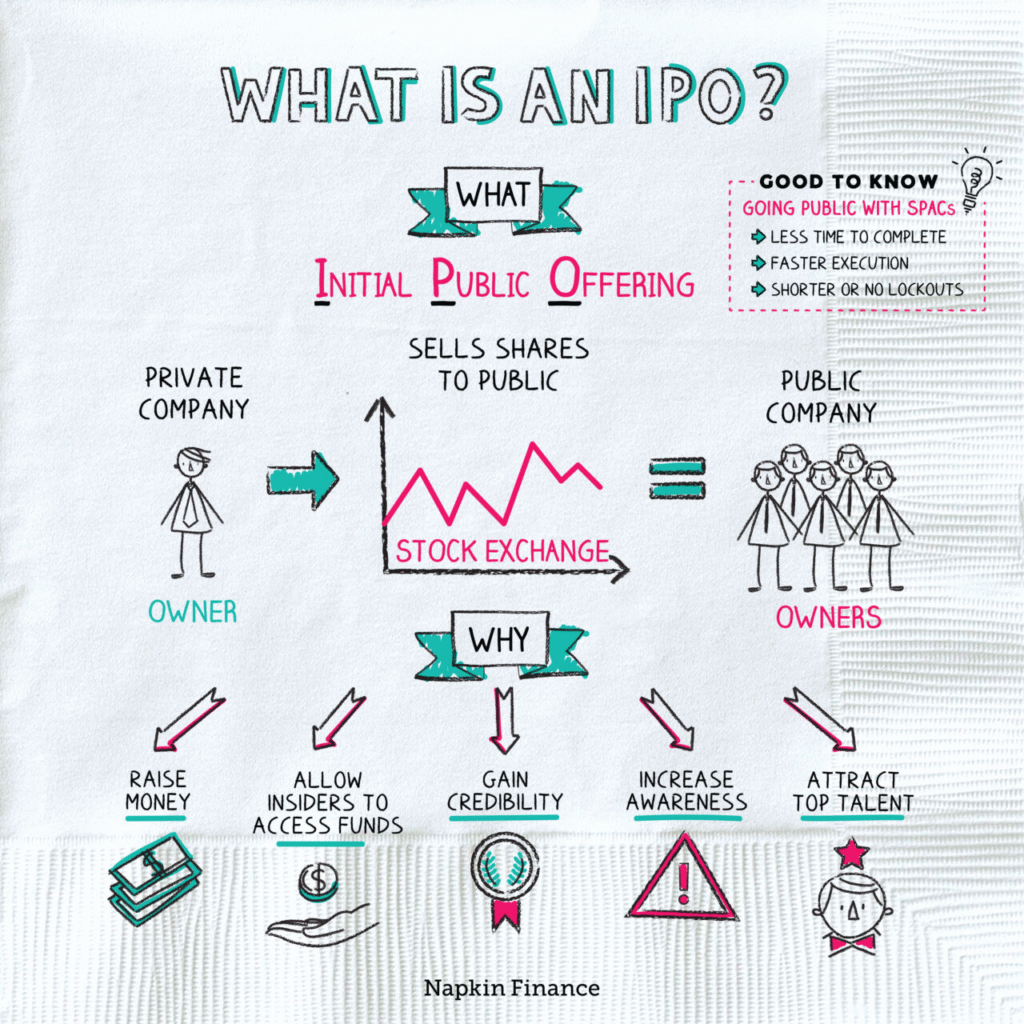
4. The Window Of Upside Is When Open Source Catches Up: Probably one to two years out, possibly aligned with the OpenAI and Anthropic IPOs that would bring this debate back to the front page.
His risk/reward math on $TAO itself was that he sees either a path to zero or a path to $1,000-$3,000 per coin, and he is happy to take that asymmetry.
The Other Plays the Commentator Likes
Outside of $TAO and broad subnet exposure, three specific names came up:
1. Macrocosmos (Runs Three Subnets Including IOTA): IOTA (SN9) is pre-training what he believes is a roughly 100 billion parameter LLM and is now actively training the model.
2. Venice: With roughly three million users, Venice provides anonymized AI processing for users who do not want their data exposed to centralized providers. Martinez plans to use it for an agentic trading offer he is preparing.
3. NEAR Protocol: Earning approximately $1 million per week in fees. Provides confidential routing, which he sees as a major narrative for AI agents that cannot expose bank account details to public chains.
His thesis on all three is that privacy and decentralization narratives compound on the same export-control story that just played out with Fable 5.
What Could Come Next
Martinez’s larger concern is that this does not stop at Anthropic. The question he raised directly:
1. What Is Stopping Sam Altman From Doing The Same With ChatGPT? OpenAI is reportedly selling equity to the US government. The incentives to strike similar deals are there.
2. The “Foreign Nationals” Designation Is The Wedge: Once one lab accepts the restriction, the others follow. There is no commercial reason to refuse if the government is offering protection or contracts in exchange.
3. The IPO Timeline Accelerates The Risk: Both OpenAI and Anthropic are heading toward public listings. Government cooperation becomes more valuable to them, not less, in the run-up.
If the pattern repeats, the open-source AI thesis stops being a niche bet and becomes the only viable alternative for anyone who needs uncensored, unrestricted model access.
The Open-Source Bet
The export control on Fable 5 and Mythos 5 is one news event. Martinez’s argument is that it is also the cleanest validation of the open-source AI thesis Bittensor has been pricing for years. Closed-source frontier models can be pulled by government order. Open-source models running on decentralized networks cannot.
The Bittensor stack (Chutes for inference, Targon for compute, Hippius for storage, plus 128 subnets shipping open weights) is positioned to absorb the demand if the trend continues. The maturity window is one to two years, possibly aligned with the OpenAI and Anthropic IPOs. The risk/reward is binary: zero or four-figure $TAO.
Enjoyed this article? Join our newsletter
Get the latest TAO & Bittensor news straight to your inbox.
We respect your privacy. Unsubscribe anytime.
Enjoyed this article?
Join our newsletter
Get the latest TAO & Bittensor news straight to your inbox — every morning before markets open.


No comments yet — be the first.