


There is a particular kind of confidence that only comes from shipping. Not from announcing, not from roadmapping, but from the quiet accumulation of commits, refinements, and late nights that eventually produce something you can put in front of a user and say: here, touch it.
The team at Djinn (Bittensor Subnet 103) has been in that mode for weeks, logging over thousand GitHub commits while building around the clock, and they have now shared the first real look at what all of that work has produced.
What the App Actually Looks Like
The Djinn interface is built around simplicity on both sides of the marketplace, for the ‘Genius’ creating signals and the’ Idiot’ purchasing them. The user dashboard keeps things deliberately lean, giving participants exactly what they need and nothing they do not:
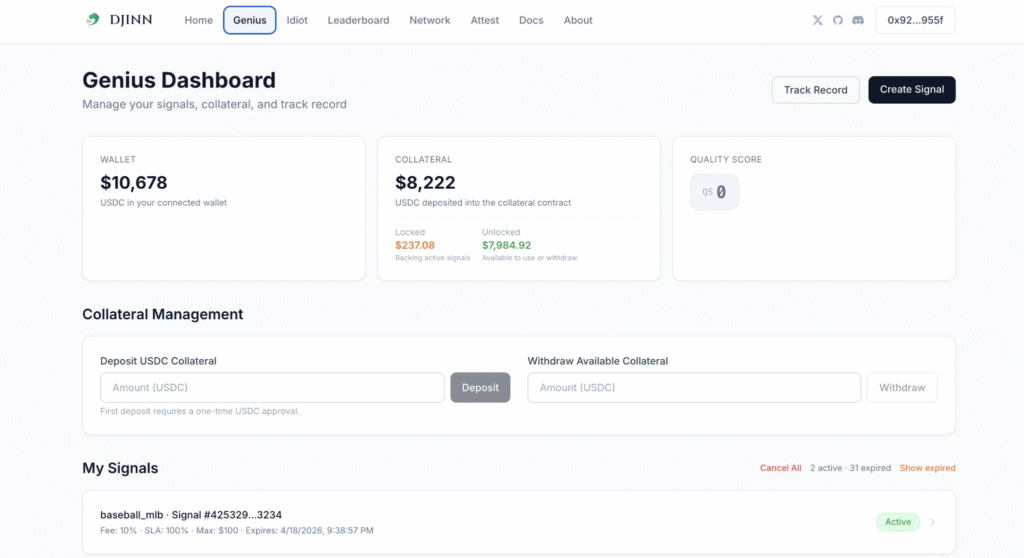
a. Deposit and withdraw funds,
b. Track the progress of active signals, and
c. Create new signals from scratch.
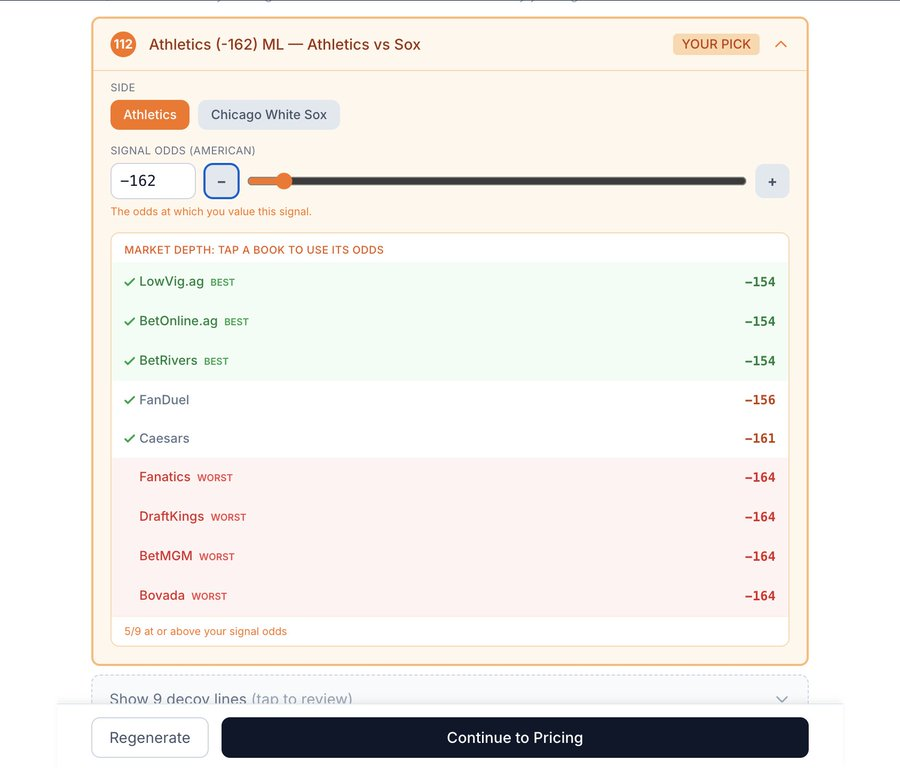
The signal creation flow follows the same logic, stripping away complexity to keep the process fast and focused.
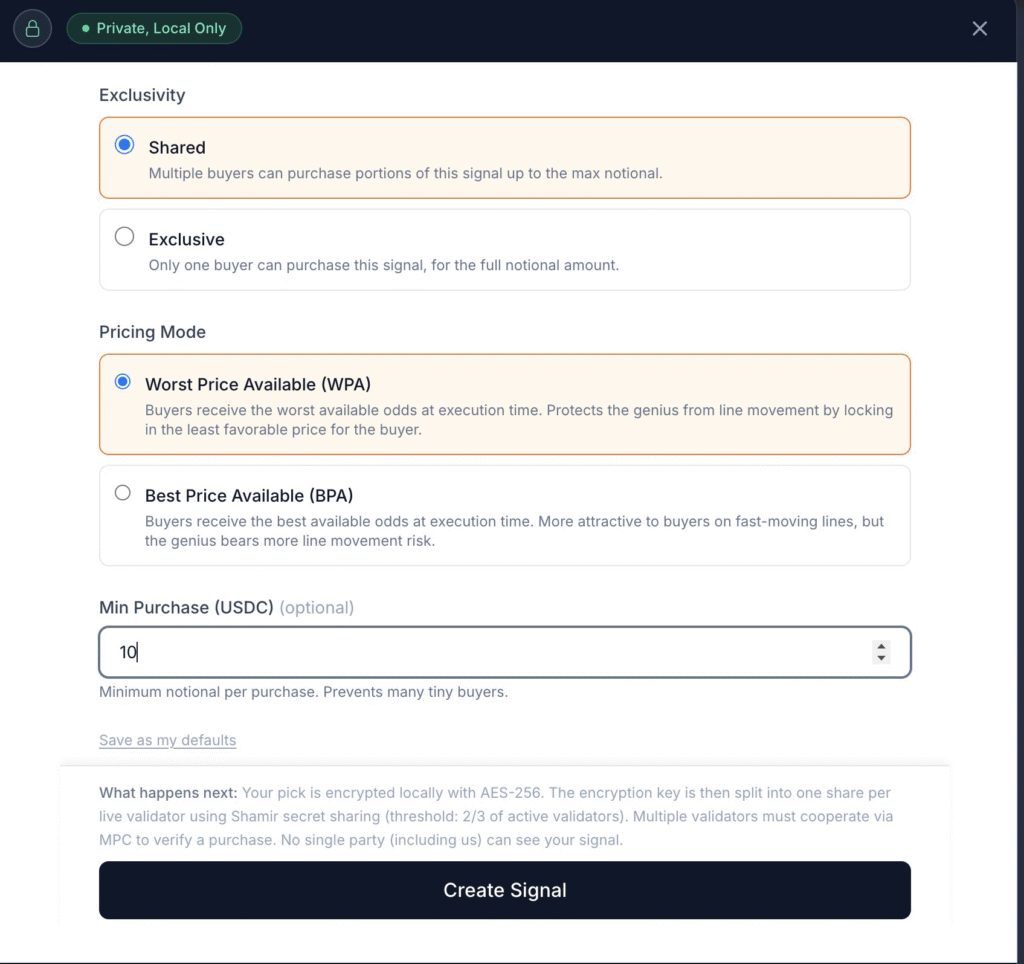
A user identifies their event, sets the signal parameters, locks in the price, minimum purchase threshold, and any additional conditions, and sends it live.
How the Blockchain Layer Works
Once a signal is created, Subnet 103’s infrastructure takes over in three sequential steps that turn a user-submitted signal into a verified, purchasable on-chain asset:
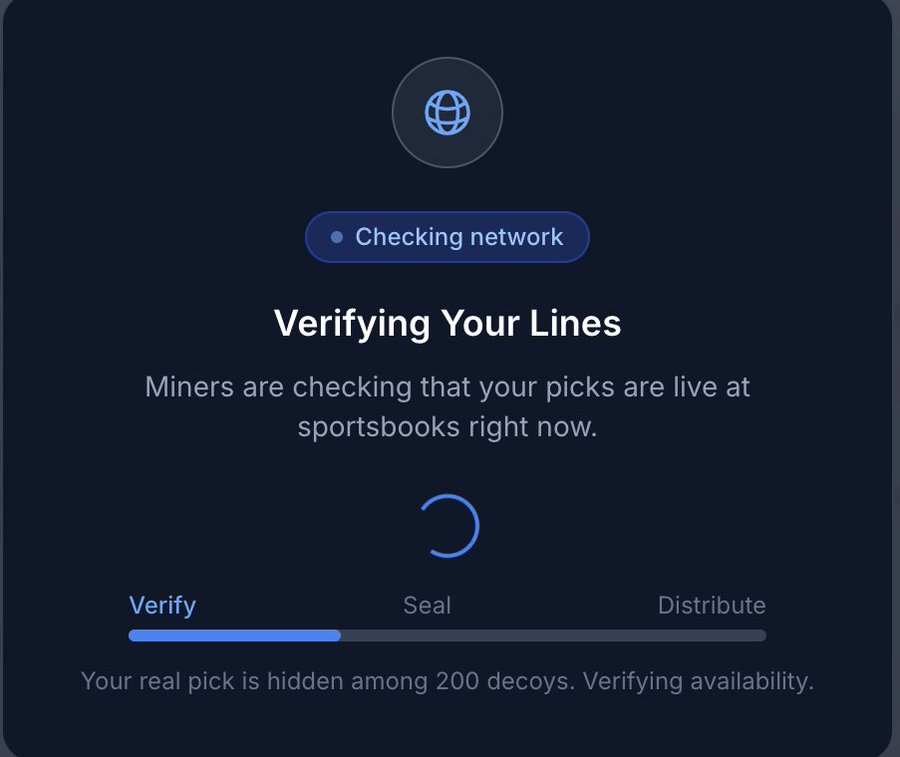
a. STEP 1: Subnet 103 miners validate that the signal’s underlying lines exist and are executable as claimed, ensuring nothing fraudulent enters the marketplace,
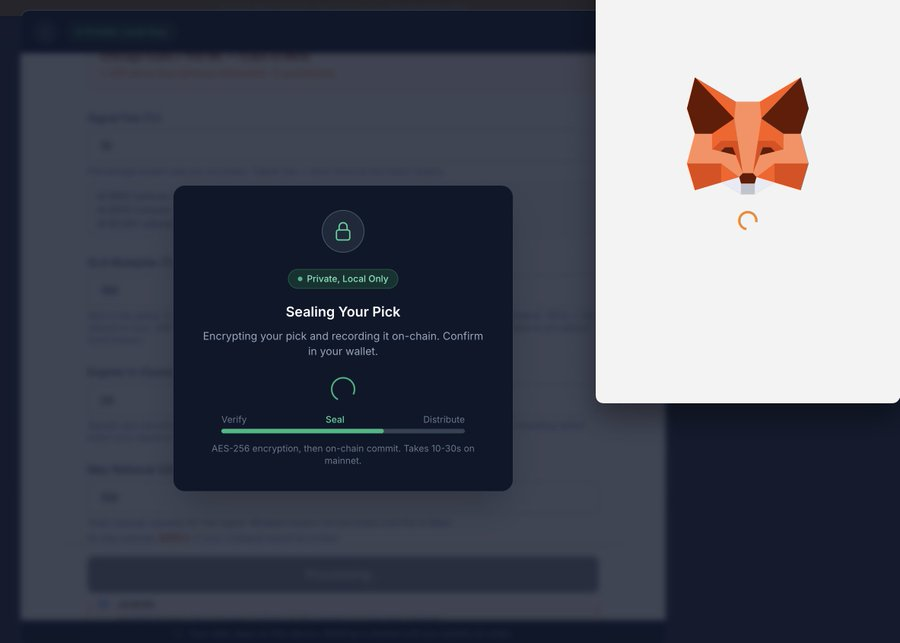
b. STEP 2: The signal is locked and encrypted on the blockchain, making its parameters immutable from that point forward, and
c. STEP 3: The signal is distributed across the network and made available for purchase.
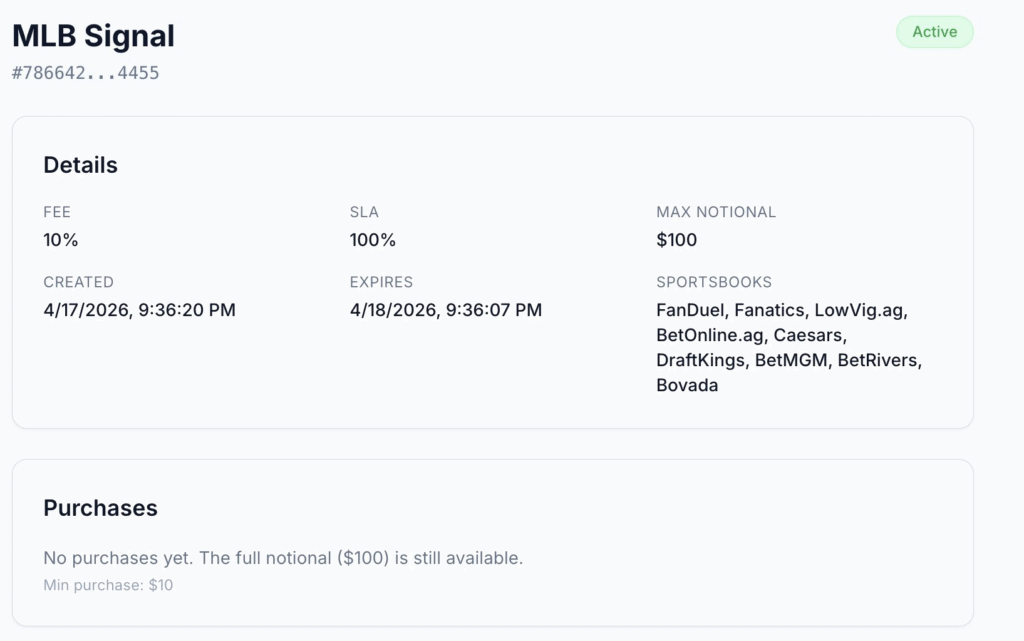
This verification layer is what separates Djinn from a simple peer-to-peer marketplace. The blockchain does not just record the transaction, it validates the signal’s legitimacy before it ever reaches a buyer.
The Purchase Experience
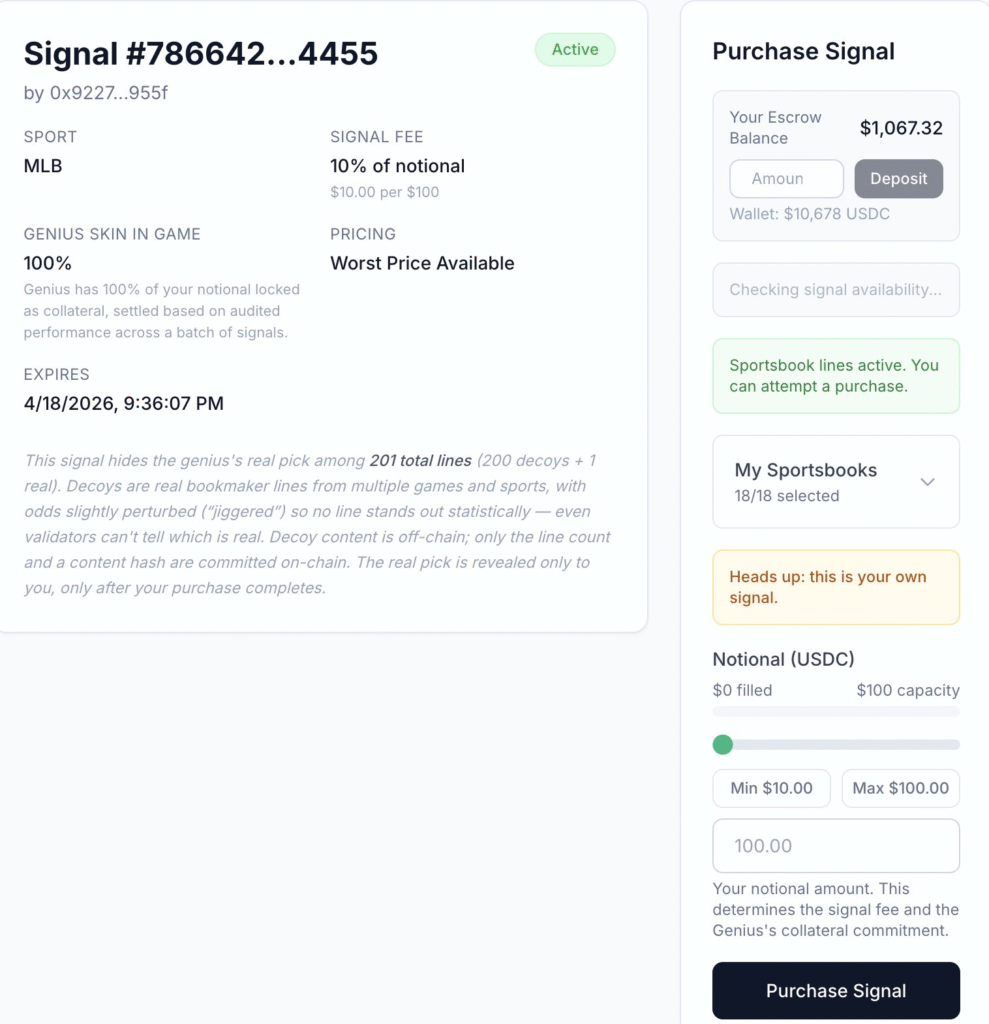
On the buyer side, the interface keeps friction as low as possible. Purchasers can review the general information of any signal proposal before committing, confirm the parameters they care about, and complete the transaction quickly.
The design philosophy throughout is the same on both sides of the marketplace: give users what they need to make a confident decision, then get out of their way.
Conclusion
Over 1,000 commits in under six weeks is not a pace that leaves room for shortcuts, and the product visible in these early screenshots reflects that intensity. The details are still being refined, more updates are coming, and the full launch remains ahead. But what is already visible is a clean, purposeful interface built on a verification layer that gives both signal creators and buyers a reason to trust what they are looking at. The big picture has been clear for a while, now, the product is starting to match it.
Enjoyed this article? Join our newsletter
Get the latest TAO & Bittensor news straight to your inbox.
We respect your privacy. Unsubscribe anytime.
Enjoyed this article?
Join our newsletter
Get the latest TAO & Bittensor news straight to your inbox — every morning before markets open.

No comments yet — be the first.