


Bittensor’s next major protocol upgrade is running on testnet, and most $TAO holders have no idea what is about to change. Spec 420 introduces three structural changes that touch how subnet liquidity works, how on-chain trading operates, and how consensus timing gets set per subnet.
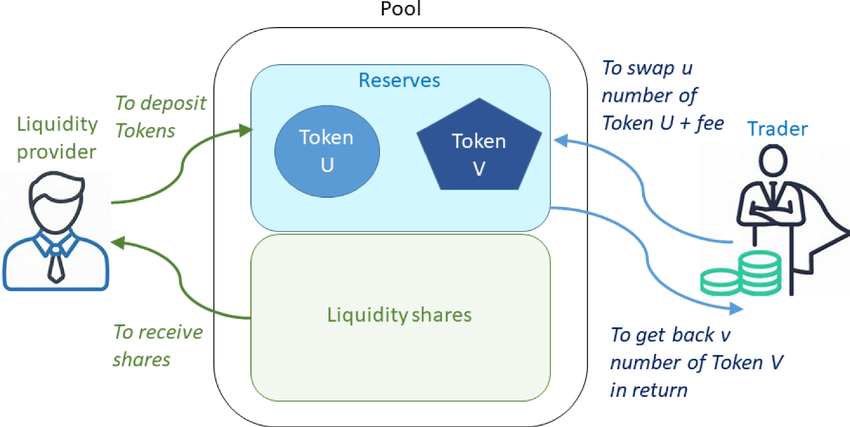
It swaps out Uniswap v3 for a new AMM (Automated Market Maker) called PalSwap, adds limit orders directly on chain, and gives subnet owners control over their own tempo plus the ability to trigger epochs manually.
PalSwap Replaces Uniswap v3
The biggest structural change is the AMM swap. Subnet liquidity pools have run on Uniswap V3 since dynamic $TAO (dTAO) launched, and Spec 420 replaces that entirely with PalSwap, a balancer-style AMM built natively into the protocol.
How the two models differ:
1. Uniswap v3 uses concentrated liquidity. LPs (liquidity providers) pick specific price ranges where their capital is active. Efficient when price stays in range, but sharp cliffs and thin order books when price moves outside.
2. PalSwap spreads liquidity across the pool. Weighted distribution rather than concentrated positions, producing smoother price discovery, more consistent depth, and less cliff-edge price action.
Why this matters beyond trading mechanics:
1. The new emission system uses each subnet’s ‘$ALPHA’ token price as a direct input for daily $TAO rewards.
2. A distorted price signal means distorted emission allocation across the network.
3. PalSwap is what makes the price signal trustworthy enough for the emission system to work as designed.
Advanced Limit Orders Arrive On-Chain
The second change introduces limit orders for $TAO and $ALPHA swaps directly on-chain. Until now, on-chain $ALPHA trading has been limited to market orders and basic swaps.
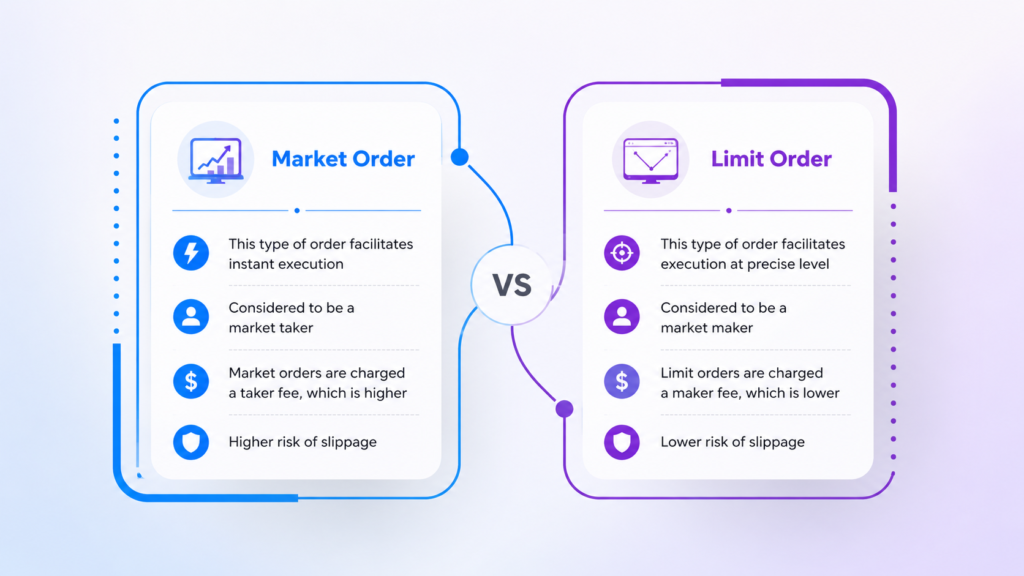
A limit order lets a participant set the exact price at which to buy or sell, and the order sits on-chain until that price is hit or it gets canceled.
Why limit orders matter for $ALPHA:
1. Miners and validators can accumulate positions without moving the market. This protects their own subnet’s emission share from getting hit by their own activity.
2. Subnet owners can manage their $ALPHA price with precision. Strategic execution replaces blunt market operations that previously distorted price signals.
3. Institutional participants get the trading infrastructure they require. Sophisticated capital does not engage with markets that lack limit orders, and Spec 420 removes that barrier.
Subnet Owners Get Consensus Timing Control
Every subnet currently runs on a fixed tempo, which is the interval between consensus epochs where the network scores validators, updates miner weights, and distributes emissions.
Spec 420 introduces two new controls:
1. Configurable tempo. Subnet owners can set a custom tempo instead of being locked into the network default. Fast-inference subnets can shorten it. Long-training subnets can lengthen it to give validators enough time to score properly.
2. Manually triggered epochs. Subnet owners can run an epoch outside the normal schedule when a major change happens inside the subnet, rather than waiting for the next scheduled one.
Every subnet is a different market producing a different commodity, and forcing them all onto the same consensus clock is like requiring every business to operate on the same daily schedule. For subnets where rapid iteration is the competitive advantage, this is a material operational improvement.
Why The Three Changes Belong Together
Spec 420 reads as three separate features but lands as one coherent upgrade:
1. PalSwap makes the price signal reliable enough for the emission system to allocate honestly.
2. Limit orders bring the trading infrastructure serious capital requires before engaging with subnet alpha markets.
3. Configurable tempo gives subnet builders the operational control to match consensus mechanics to what their subnet actually produces.
Each change removes a specific friction point, and all three need to work simultaneously for Bittensor to function as the intelligence production network it was designed to be at scale.
Reading The Code Before The Price
The upgrade is on testnet, with the path to mainnet following confirmation of stability under real network conditions, an active status on the official docs page, and a pull request already merged into Subtensor. For anyone running a subnet, mining, validating, or holding significant $ALPHA positions, this is the upgrade to track right now.
The AMM change will affect how every $ALPHA is priced from the moment it goes live, the limit orders will change how serious participants interact with those markets, and the tempo controls will change how the best subnet operators manage their competitive positioning.
The people who understand what is being built here are not watching the price chart but the code, because reading the docs has consistently been the leading indicator for what eventually moves the price.
➛ Read Opentensor’s Official Announcement of Spec 420 Here
Enjoyed this article? Join our newsletter
Get the latest TAO & Bittensor news straight to your inbox.
We respect your privacy. Unsubscribe anytime.
Enjoyed this article?
Join our newsletter
Get the latest TAO & Bittensor news straight to your inbox — every morning before markets open.



No comments yet — be the first.