


Bittensor ($TAO) has quietly added one of its more credible academic partnerships to date as computer science and engineering students at Lehigh University have spent the past year working directly with Yuma Group on a healthcare data subnet.
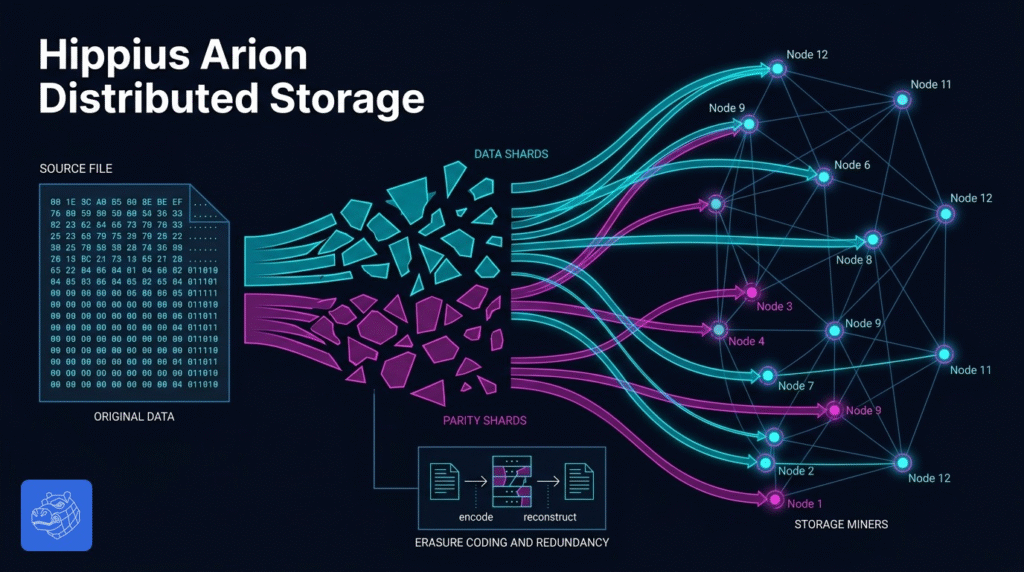
The build runs on Hippius (Subnet 75) for decentralized storage, and the work culminated in a recent visit to (Digital Currency Group) DCG‘s headquarters.
The student team presented their progress there to Yuma and DCG leadership, anchoring an academic engagement that runs deeper than a typical research collaboration.
Why Healthcare Data Is the Right Use Case
The project sits at the convergence of three areas where Bittensor ($TAO) is structurally positioned to outperform centralized alternatives:
a. Healthcare data, where privacy, security, and verifiable handling are non-negotiable,
b. Hippius storage infrastructure, providing the decentralized backbone the subnet relies on for sensitive data integrity, and
c. Academic-grade research and engineering, bringing structured university methodology into a live subnet build rather than a theoretical paper.
The collaboration draws on three institutional layers within Lehigh itself:
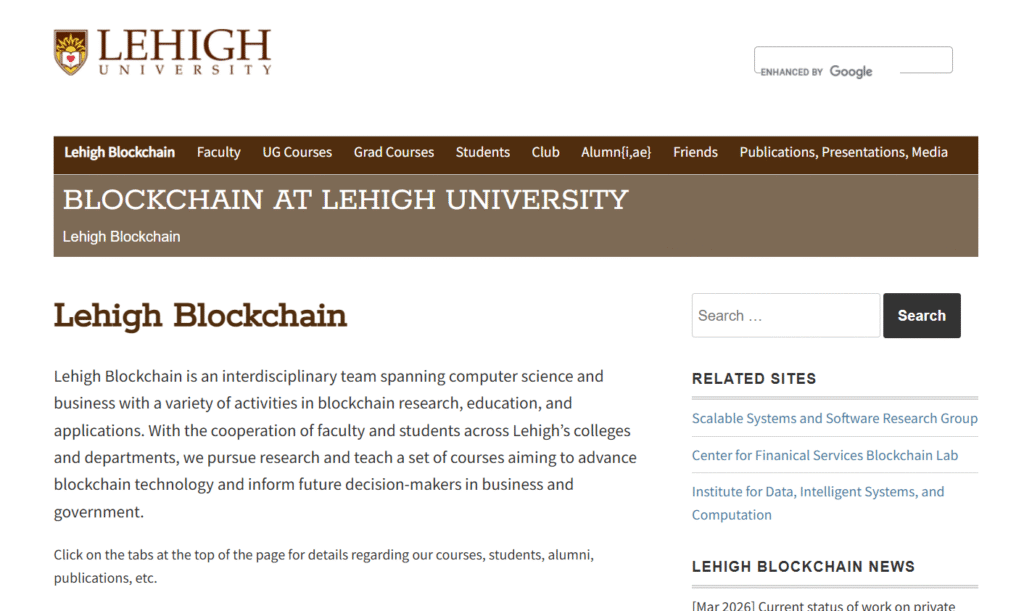
a. Lehigh Blockchain, the student-led organization driving the broader Bittensor research engagement,
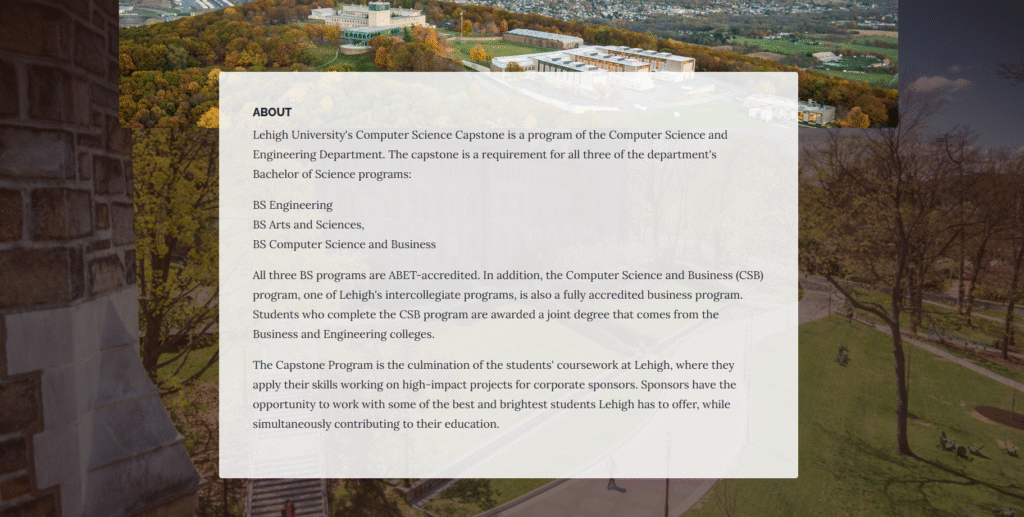
b. The Computer Science and Engineering capstone program, which structures the project as a graded year-long build rather than an extracurricular effort, and
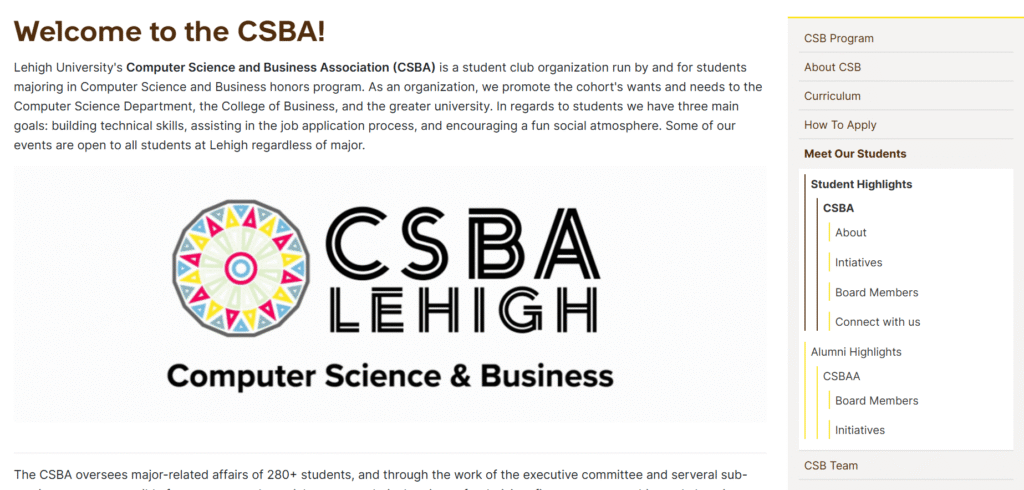
c. The Lehigh Computer Science and Business Association, anchoring the cross-disciplinary side of the work
The People and the Signal
The team that presented at DCG headquarters reflected a broad cross-section of the Lehigh program:
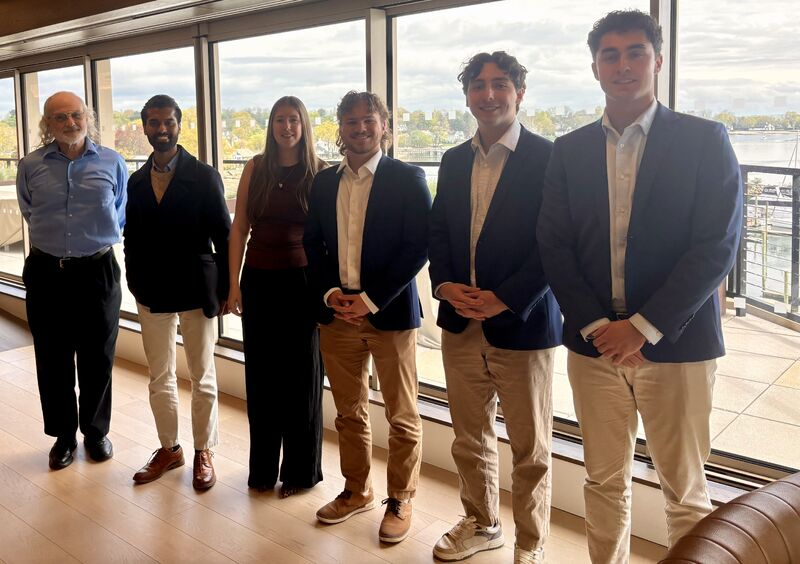
a. In-Person at the Presentation: Kevin W., Hank Korth, Thaksheel Alleck, Abigail Miller, Ethan Meron, Louis Scalise, and Aidan O’Sullivan,
b. Contributing Remotely: Illia Slipchenko, Caleb Mandia, and Marina Falzone, and
c. Mentorship and Infrastructure Support: Paul Swaim of Yuma, who met weekly with both student teams throughout the year, alongside the Hippius team led by Julien ‘Dubs’ Du Bois and Marcus ‘Mog’ Graichen.
The broader signal is what makes the partnership worth tracking: A university computer science program has structured a full-year capstone around building a working Bittensor subnet. The build is supported by active mentorship from Yuma Group and infrastructure from a live storage subnet.
That kind of structure shifts the decentralized AI conversation from theoretical interest into a real pipeline of trained engineers entering the ecosystem with hands-on experience already in place. It is the kind of foundation most networks struggle to build deliberately.
Enjoyed this article? Join our newsletter
Get the latest TAO & Bittensor news straight to your inbox.
We respect your privacy. Unsubscribe anytime.
Enjoyed this article?
Join our newsletter
Get the latest TAO & Bittensor news straight to your inbox — every morning before markets open.


Be the first to comment