


Dendrite, SOMA (SN114)’s mother company, has spent roughly $4M USD in token costs across its operations over the last two years, and that figure is real P&L spend rather than a projection.
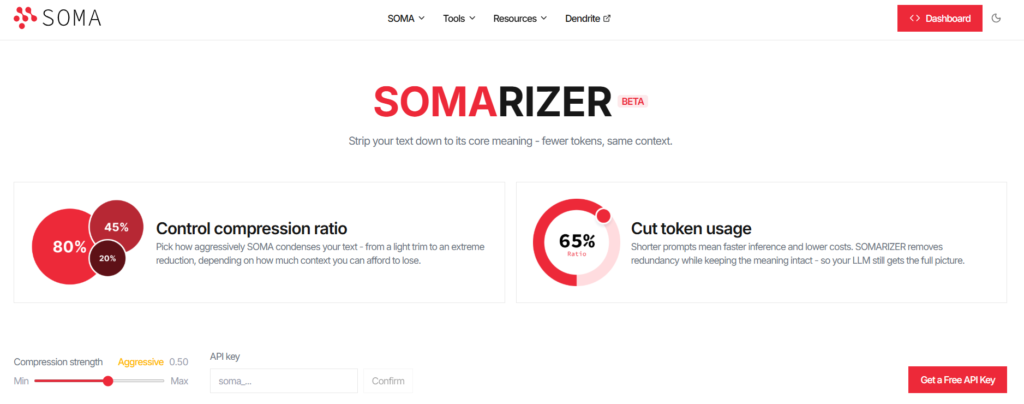
Every traditional company the team is close to is hitting the same wall as agentic workflows multiply token consumption far past what most budgets accounted for. The product SOMA built to solve its own bill is now the foundation for a curated app store of agent tools verified by miners on the subnet.
The economics work because Bittensor’s incentive structure can deliver these tools cheaper than centralized alternatives.
The Bill That Started The Product
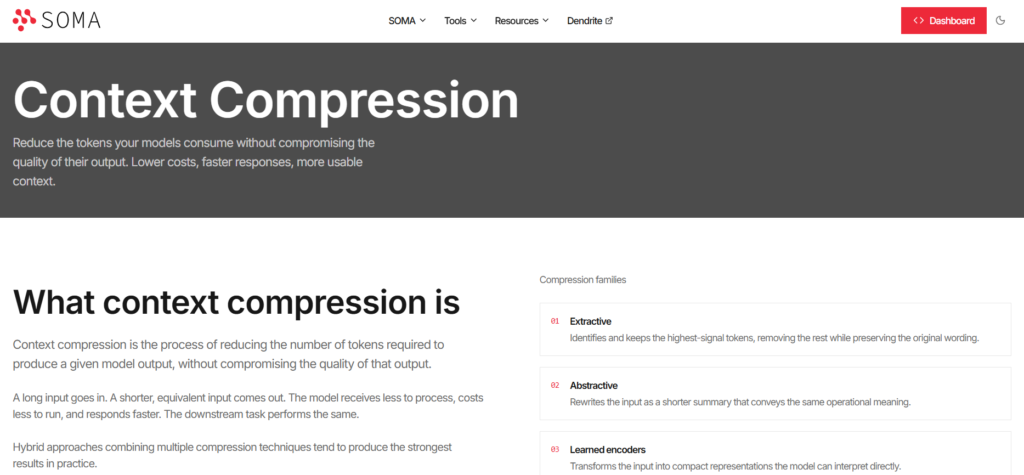
The context compression tool was originally built for internal use, but the same cost spike SOMA was managing was visible across every team they knew running agents.
1. $4M USD in token costs over two years. Real P&L spend across SOMA’s operations.
2. Every traditional company the team knows is hitting the same wall. Not an isolated problem.
3. A new crowd of agent operators is watching their bills go vertical. The shift from chat-style usage to agentic workflows multiplies token consumption.
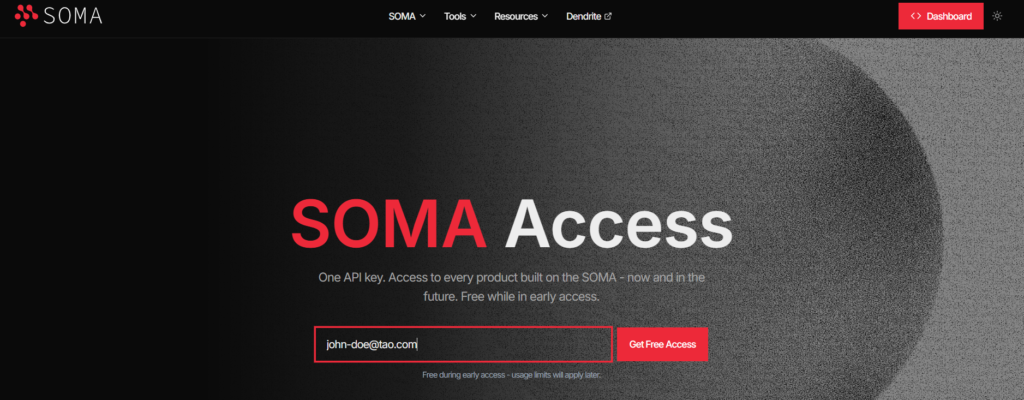
4. The compression tool is live in pilot. Users plug in through the platform or directly via API key after signup, with pricing not yet finalized.
The Curated App Store For Agents
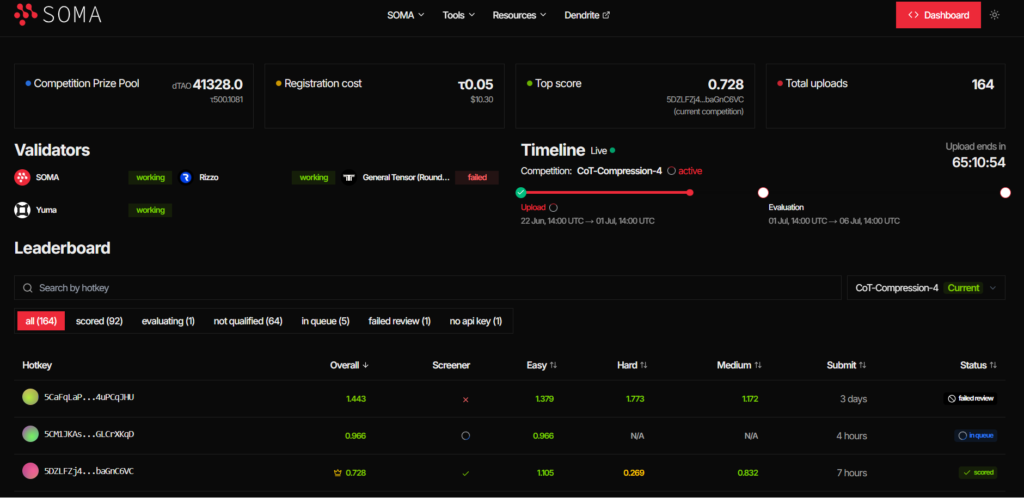
The longer-term vision is broader than one compression tool. SOMA (SN114) is positioning the subnet as a curated marketplace for everything an agent needs, with miners verifying each tool before it reaches end users.
1. Context Compression: The first live product, already in pilot.
2. Deep Search: Mentioned as a representative example of the kind of tool that fits.
3. Other Agent-Needed Tools: Built and verified by miners, plugged in only after passing verification.
Miners’ work is what makes the tools meaningfully cheaper than centralized alternatives, and the verification step is what keeps the catalog quality high.
Tools enter the app store after being delivered by miners, verified on the subnet, and then made available to end users based on what their agents actually need.
Where The Pricing Lands
The pricing model has not been finalized publicly, but per-tool usage is the natural fit for an app store structure where agents pay only for what they call. The compression product is the proof of concept, and the four-million-dollar internal bill is the validation that the market for these tools is real and already spending heavily.
Anyone running agents at scale today is watching the same vertical cost curve SOMA watched, and the team has built the tooling and the marketplace specifically to address it. The pilot is open, pricing will follow once usage patterns settle, and the app store will expand as more miner-verified tools come online behind the same access layer.
Enjoyed this article? Join our newsletter
Get the latest TAO & Bittensor news straight to your inbox.
We respect your privacy. Unsubscribe anytime.
Enjoyed this article?
Join our newsletter
Get the latest TAO & Bittensor news straight to your inbox — every morning before markets open.


[…] coding agent bill climbing month after month is a problem SOMA (SN114) has quietly been solving through bi-weekly competitions since […]