

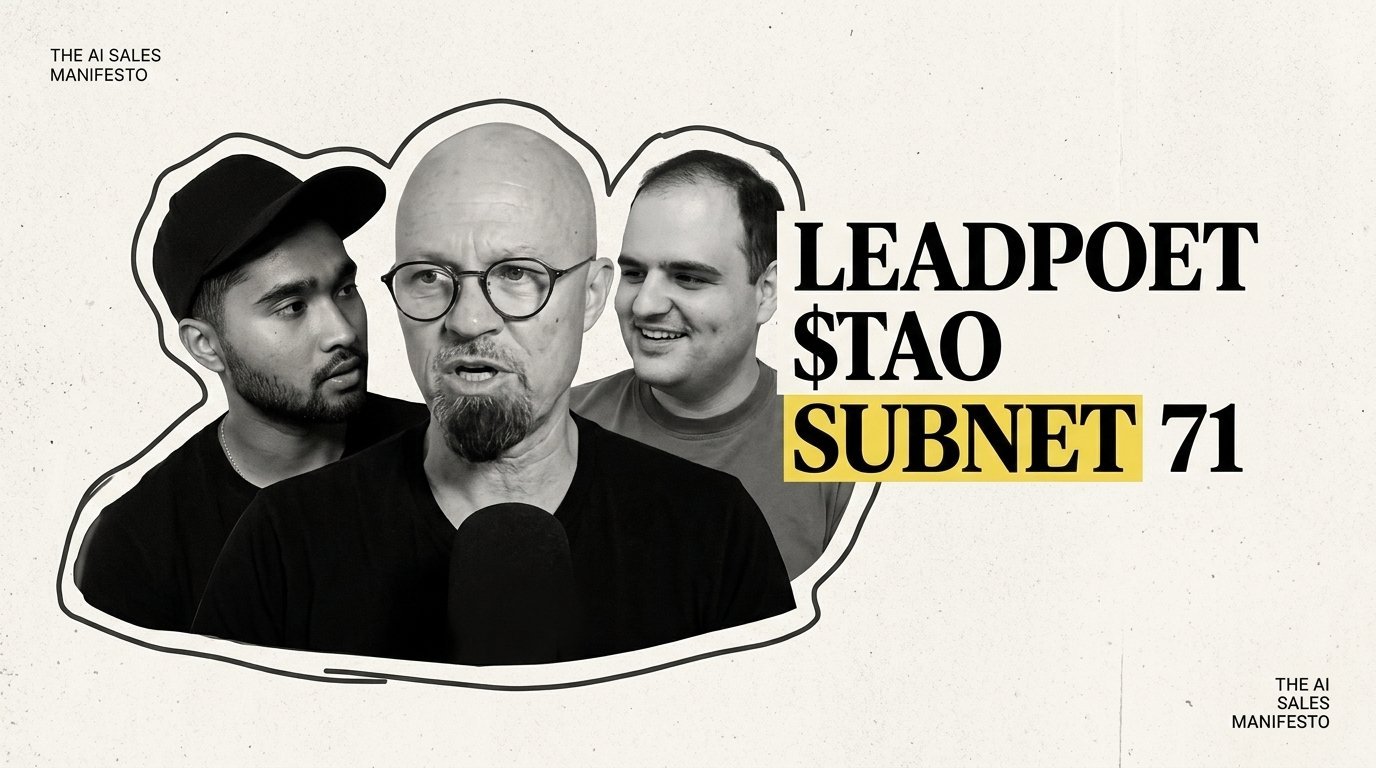
Gavin Zaentz and Pranav Ramesh from LeadPoet (SN71) joined Mark Jeffrey on Hashrate to announce the team’s new north star: a state-of-the-art sales LLM trained on adversarial subnet competition data.
The pivot comes alongside an active enterprise pilot, an upgraded model competition mechanism, and a new agentic mining direction designed to lower the barrier to entry.
LeadPoet’s view is that a vertically specialized AI for sales, trained on rich reasoning data only a Bittensor subnet can capture, will outcompete the generalist models everyone else is building.
The plan is to rent that intelligence to Apollo, ZoomInfo, HubSpot, and Salesforce once it is good enough, while still running their own platform on top.
The Key Points
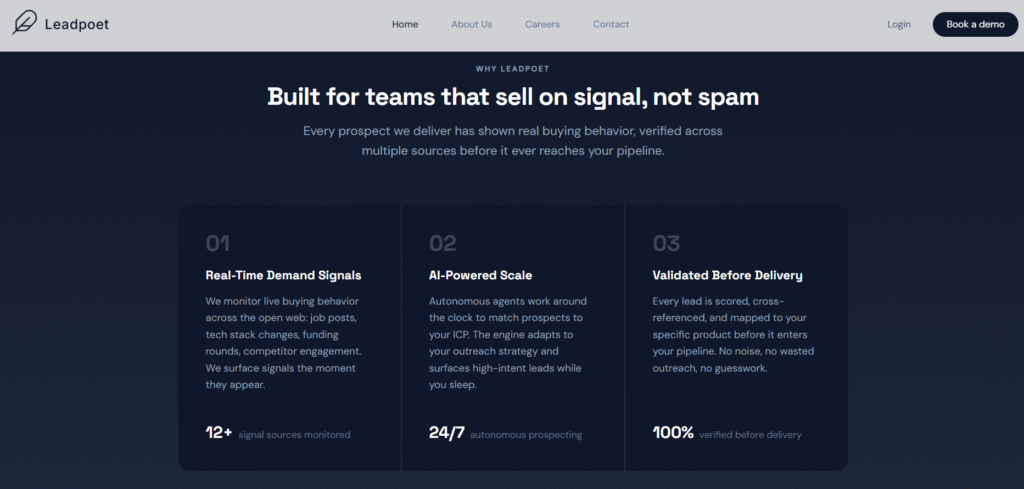
The conversation covered LeadPoet’s current product, the Sales Brain pivot the team is now building toward, and the agentic mining direction that will determine how miners participate going forward.
Each point connects back to the same thesis: specialized intelligence trained on adversarial subnet data is the long-term moat that centralized providers cannot replicate.
1. The Sales Brain is the new north star: LeadPoet is shifting from “best sales tool” toward “best sales intelligence layer.” The product remains, but the bigger play is building a specialized sales LLM trained on the reasoning data the subnet captures from miner competition.
2. The enterprise pilot started about a month ago: Came through an ecosystem introduction, and it is being expanded across the same client’s teams and channel sales partners, with annual contracts as the conversion target.
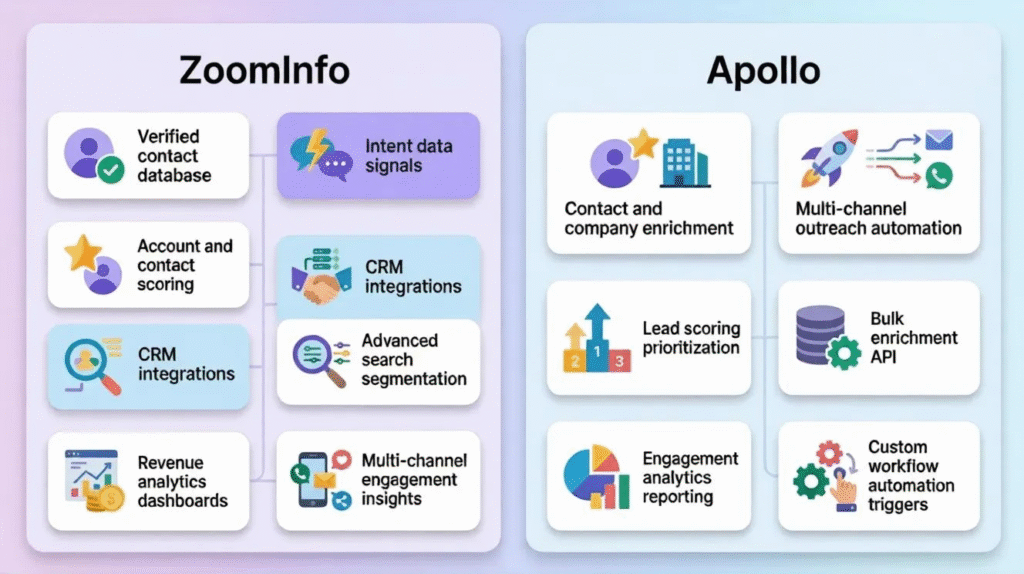
3. The product separates from incumbents on real-time fulfillment: Apollo and ZoomInfo deliver from databases that go stale, but LeadPoet checks the lead at the moment of delivery.
4. Quality over quantity is the core thesis: Roughly 90% of B2B prospects are not actually in the market at any given time. LeadPoet surfaces leads with active buying signals rather than demographic matches.
5. Each lead arrives with a dossier explaining the fit: Evidence is pulled from public signals like LinkedIn posts, hiring activity, and technology stack complaints. Competitors do not provide this.
6. Pricing is premium, not cheap: With about 100x Apollo and 50x ZoomInfo per data point, the pitch is that it eliminates an entire SDR (Sales Development Representative) job function, which produces overall cost savings for enterprise buyers.
7. Adversarial mining is what makes the Sales Brain possible: Miners run their own data sources (databases, scraping, Data Universe, Desearch) and their own evaluation logic. The reasoning behind each lead score becomes training data the central model can learn from.
8. Centralized providers cannot replicate this data: Apollo and ZoomInfo run their own LLMs on their own data, they are not capturing adversarial reasoning across multiple competing strategies.
9. Distribution is via API rental to incumbents: The plan is to rent the Sales Brain to Apollo, ZoomInfo, HubSpot, and Salesforce once it’s mature, while continuing to run LeadPoet’s own platform as the proof-of-concept.
10. Mark Jeffrey’s opinion on the structure: Centralized labs are building mainframes, LeadPoet is building the verticalized PC, but the mainframe gets leapfrogged every few months. A specialized model built on adversarial subnet competition keeps compounding because the data source itself improves on every iteration.
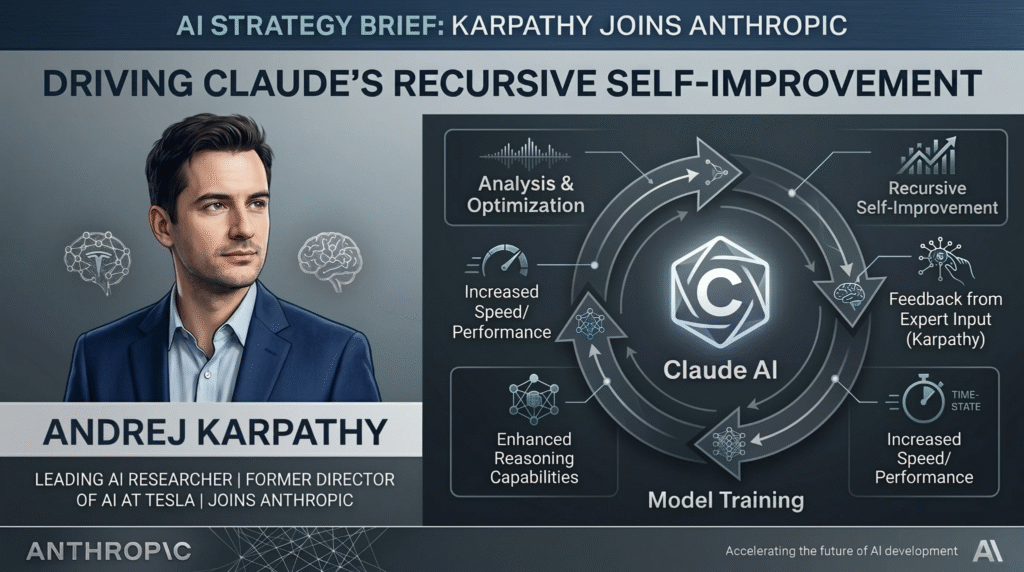
11. Skill-file-based mining is the new participation model: A user’s Claude (or Ditto , or another agent) can grab a LeadPoet skill, monitor competition results, identify weak points in the current best model, and run a recursive auto-research loop inspired by Andrej Karpathy’s work.
12. The technical barrier drops sharply: Mining no longer requires writing models from scratch or setting up complex infrastructure. The agent reads the benchmark, suggests improvements, runs tests, and iterates.
13. The miner cap could expand to 450-500: Pranav floated this once agentic mining is standard, because intelligence is no longer the bottleneck and competition density becomes a feature.
14. Subnet owner responsibility shifts: Gavin and Pranav both argued that subnet owners now have to make their mining infrastructure agent-ready. Mark agreed to the fact that Bittensor’s final form is agents running agents and mining for agents, with humans collecting the alpha generated along the way.
The Specialization Bet
LeadPoet’s pivot to a specialized sales LLM is the cleanest statement of intent from a Bittensor subnet this month. The enterprise pilot proves the product works. The Sales Brain announcement explains where the value compounds long-term. The agentic mining update describes how the network scales. Each piece connects to the same thesis: vertically specialized AI trained on adversarial subnet competition data outperforms centralized generalist models for narrow tasks.
If Apollo, ZoomInfo, HubSpot, and Salesforce eventually license LeadPoet’s intelligence to power their own platforms, the subnet captures the value through API revenue that flows back into $SN71. The expectation is that the specialization compounds faster than any centralized provider can keep up with. Year two for SN71 is when the strategy starts being tested by real numbers.
Enjoyed this article? Join our newsletter
Get the latest TAO & Bittensor news straight to your inbox.
We respect your privacy. Unsubscribe anytime.
Enjoyed this article?
Join our newsletter
Get the latest TAO & Bittensor news straight to your inbox — every morning before markets open.


No comments yet — be the first.