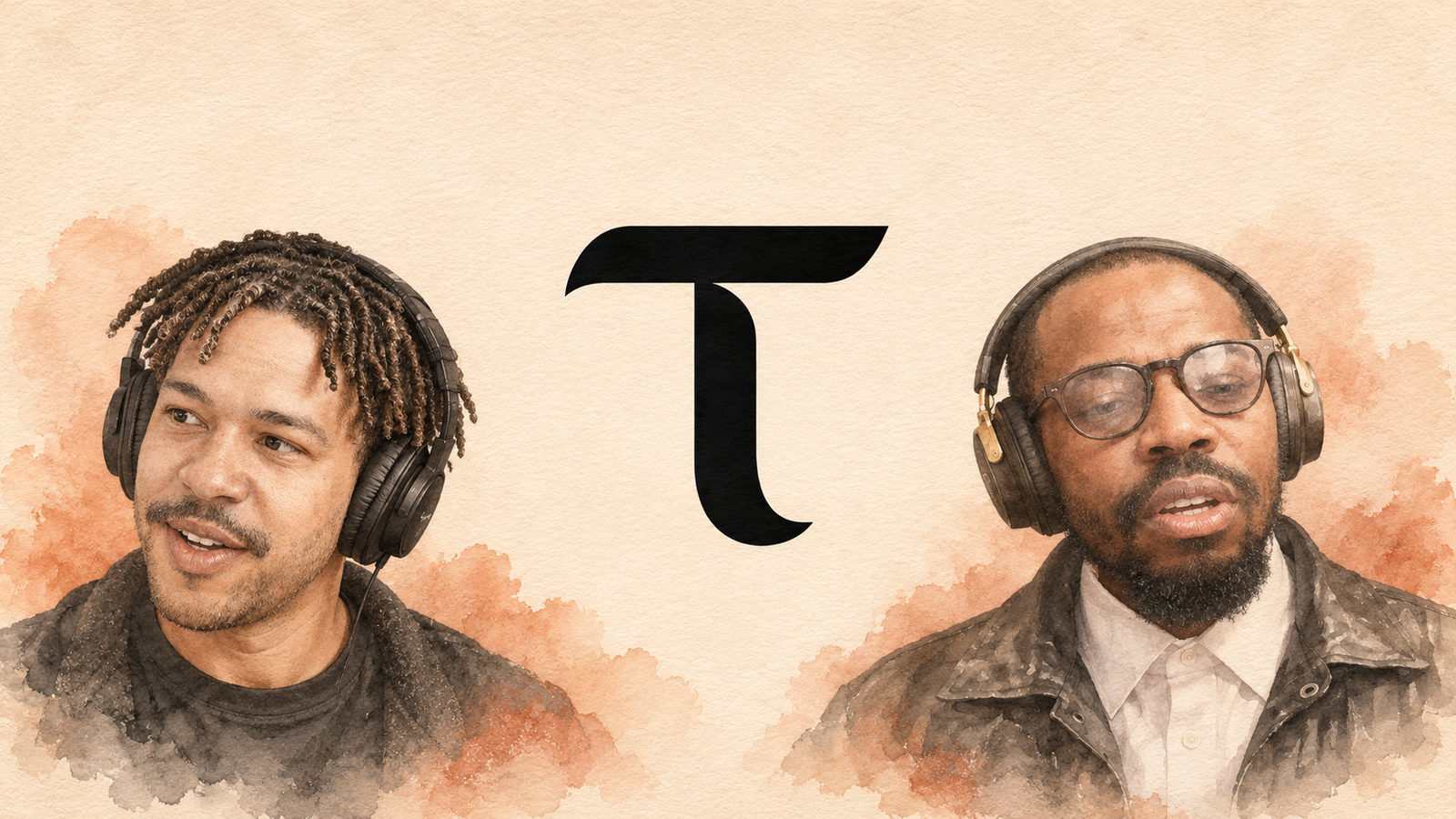
On yesterday’s Novelty Search, Fred Esere from Cathedral (SN94) and Ken Nicholson from Zils (SN127) described two problems that can make AI expensive to use at work.
Teams need somewhere private to process sensitive data, and they often pay for more model capacity than a routine decision requires.
Cathedral tackles the first problem with secure workspaces on specialized chips. Zils tackles the second by training compact models on labeled examples users supply.
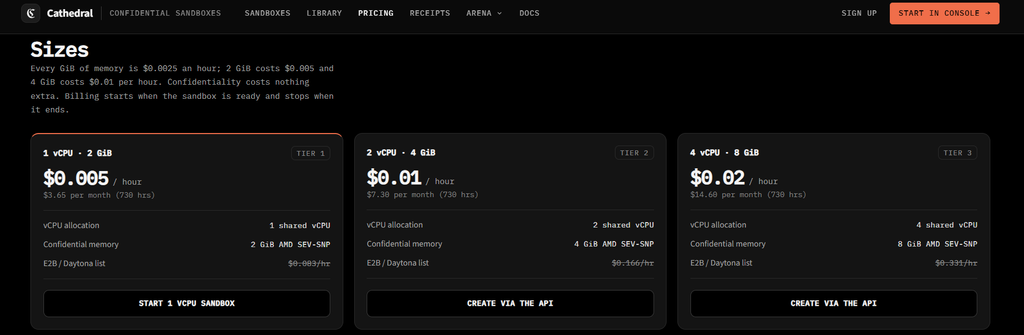
Cathedral (SN94) can spin up a workspace quickly for a short job or keep it running for an ongoing project.
The system generates signed hardware attestations that customers can use to verify that a workload ran on trusted hardware. Those records can support audits and reviews of regulated workloads.
Cathedral also runs an open security challenge, giving independent testers a way to find weaknesses and help strengthen the platform.
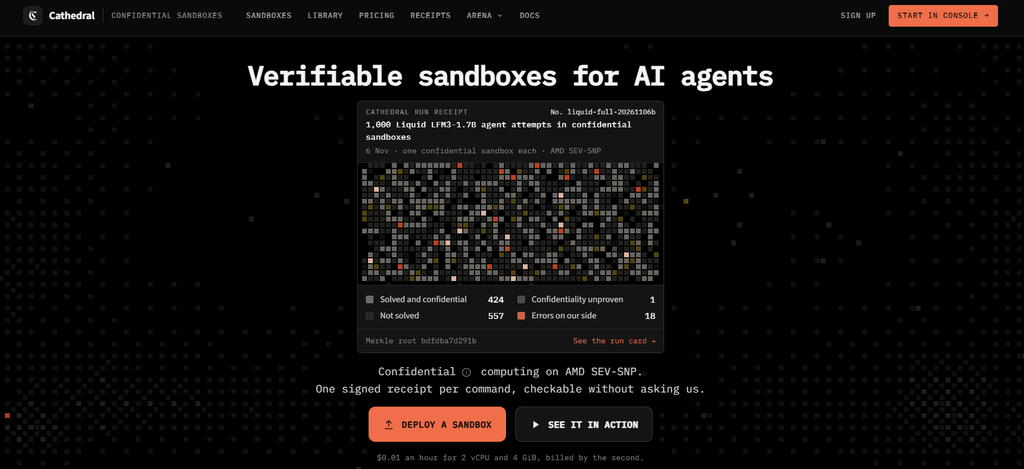
Cathedral’s pricing starts with who owns the machines. Fred noted that the team works with existing hardware owners or lower-cost suppliers, so payments can largely cover electricity and hosting when the machines are already paid for.
That gives Cathedral room to charge well below traditional cloud rates and retain a small operating margin. For smaller teams, including organizations in Africa, the difference can put specialized computing within reach.
Zils (SN127) trains models for repeatable decisions that a business can illustrate with examples. A support team could show a model which emails belong in which queue. A payments team could use labeled transactions to flag possible fraud, while a fulfillment team could teach a model to check whether an order is ready to ship.
Each task gives a small model a job it can handle quickly and cheaply.
Behind those individual models, Zils miners improve a shared base by merging contributions and retaining changes that lift accuracy.
Ken said early tests showed that some smaller models could match or beat much larger ones on specific tasks. The shared base gives each new model a starting point, while the network’s evaluation process lets miners build on improvements without having to train a new foundation for every application.
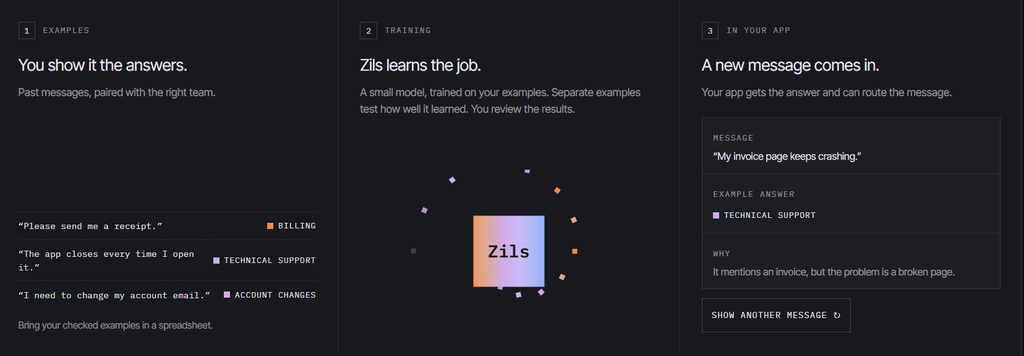
Businesses can feed Zils fresh examples and get an updated model within minutes. That matters when the conditions behind a decision change, as they do when fraud patterns shift or a company changes how it handles orders.
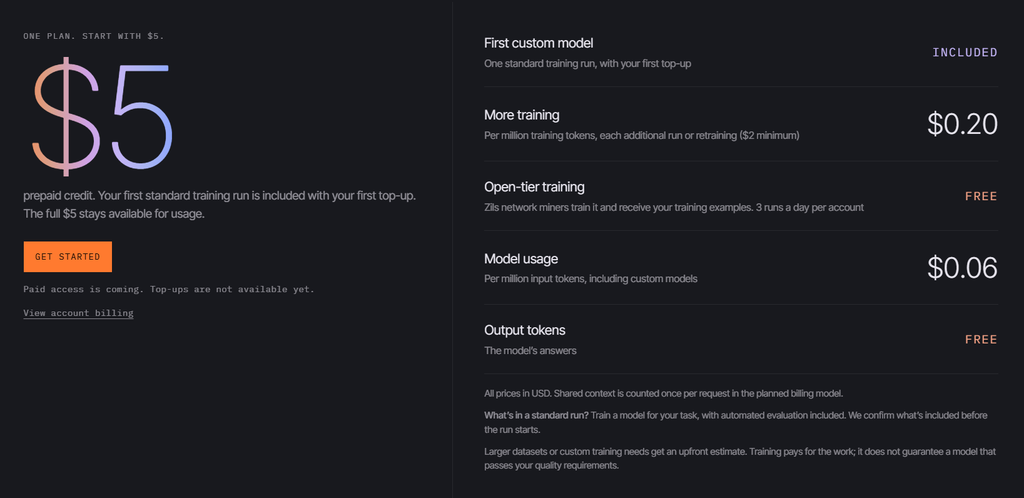
Zils offers free public models and private options, and builders can deploy several small specialists in the same application. Each can be updated on its own as new examples come in.
The test of both products comes in the middle of a workday. A small team needs to run a sensitive job and show an auditor where it ran. An operations team needs to change how thousands of routine cases are handled before the next shift starts.
If Bittensor can make those jobs cheaper and easier to get done, it has earned a spot in the operating budget.
➛ Explore Cathedral (SN94) and Zils (SN127).
Enjoyed this article? Join our newsletter
Get the latest TAO & Bittensor news straight to your inbox.
We respect your privacy. Unsubscribe anytime.
Enjoyed this article?
Join our newsletter
Get the latest TAO & Bittensor news straight to your inbox — every morning before markets open.

No comments yet — be the first.