

Not every job inside an AI application requires ChatGPT or Claude.
A customer message may simply need to be sent to billing or technical support. An AI agent may need to choose which tool to use next. A marketplace may need to decide how well a product matches a search. These are decisions with a limited number of possible answers, yet many applications still send them through large language models.
Zils (SN127) is building smaller AI models specifically for these jobs.
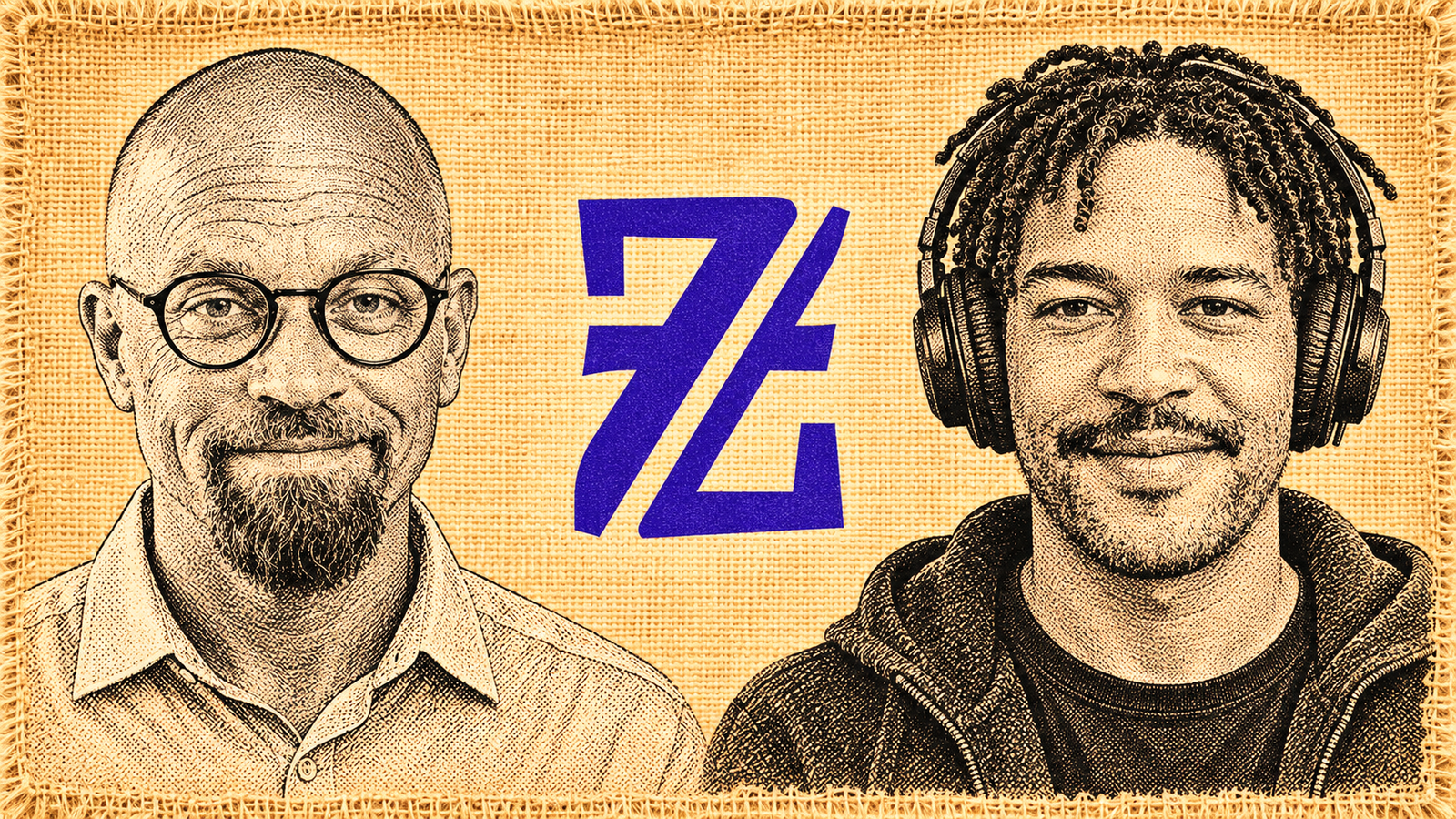
The subnet recently went live on Bittensor mainnet, and founder Raleigh explained the idea during a conversation with Mark Jeffrey. Zils lets developers create custom decision models trained around the choices their applications repeatedly need to make.
➛ Watch the full conversation below:
What Does Zils Actually Do?
Think about a company receiving thousands of customer messages.
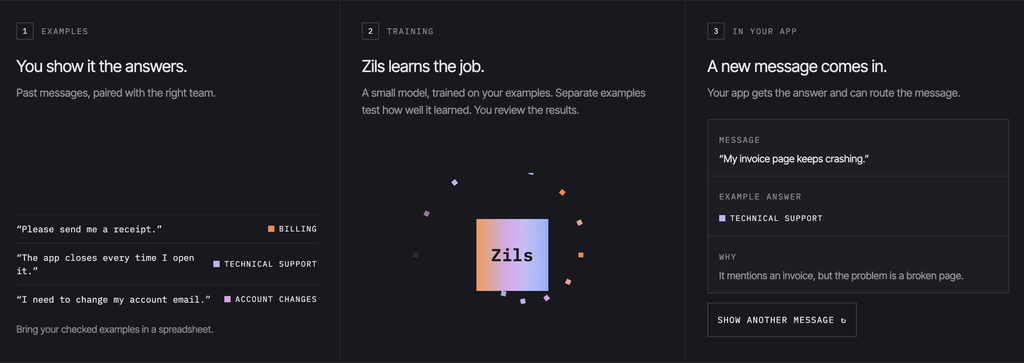
A normal LLM could read each message and generate a response explaining what department should handle it. But the application may only need one answer: billing, technical support or account management.
A decision model skips the paragraph. It takes the information, looks at the predefined options and returns probabilities for each one. The software can then act on that result.
Zils supports decisions such as choosing between options, answering yes-or-no questions and scoring something against predefined levels.
The important part is customization.
Developers can give Zils examples of decisions they have already made correctly. Zils trains a small model around those examples, tests it on separate data and hosts the resulting model through an API.
A company could therefore train a support-routing model around its departments and policies instead of relying entirely on the judgment of a general-purpose AI model.
Raleigh described these models as something close to “smart if-then statements.” The difference is that they can learn from examples and handle situations that would be difficult to capture with a long collection of rigid software rules.
How Is Zils Different From REAX?
Both Zils (SN127) and REAX (SN92) are built around decision models, but they currently emphasize different parts of the stack.
REAX is primarily an inference network. Its miners host approved decision models and compete on serving them correctly and quickly, while validators check their responses. Some customer requests from Decision Models can already be routed through REAX miners. REAX has also experimented with competitions for better general-purpose decision models and faster inference engines.
Zils puts more emphasis on building and customizing the models themselves. SN127 miners submit specialist models that validators combine into stronger shared z3 models. Businesses can then train private adapters on top of those models using their own examples, creating a decision model specialized for a particular job. Zils currently serves those models from its own platform GPUs, with miner-powered inference still to come.
Put simply, REAX is further focused on decentralized serving and fast verified inference, while Zils is leaning into model improvement and customization for specific applications.
Why Should Anyone Care?
Large language models are extremely useful, but using the most powerful model for every small decision can become expensive and slow at scale.
This is already a predominant area of AI research. UC Berkeley’s RouteLLM project studied whether simpler requests could be sent to cheaper models while harder requests went to stronger ones. Its researchers reported cost reductions of more than 85% on one benchmark while retaining 95% of GPT-4’s performance.
Zils is taking a different technical approach, but the underlying lesson is similar: AI systems do not need their largest model for every task.
Zils takes that idea further by specializing models for a particular job.
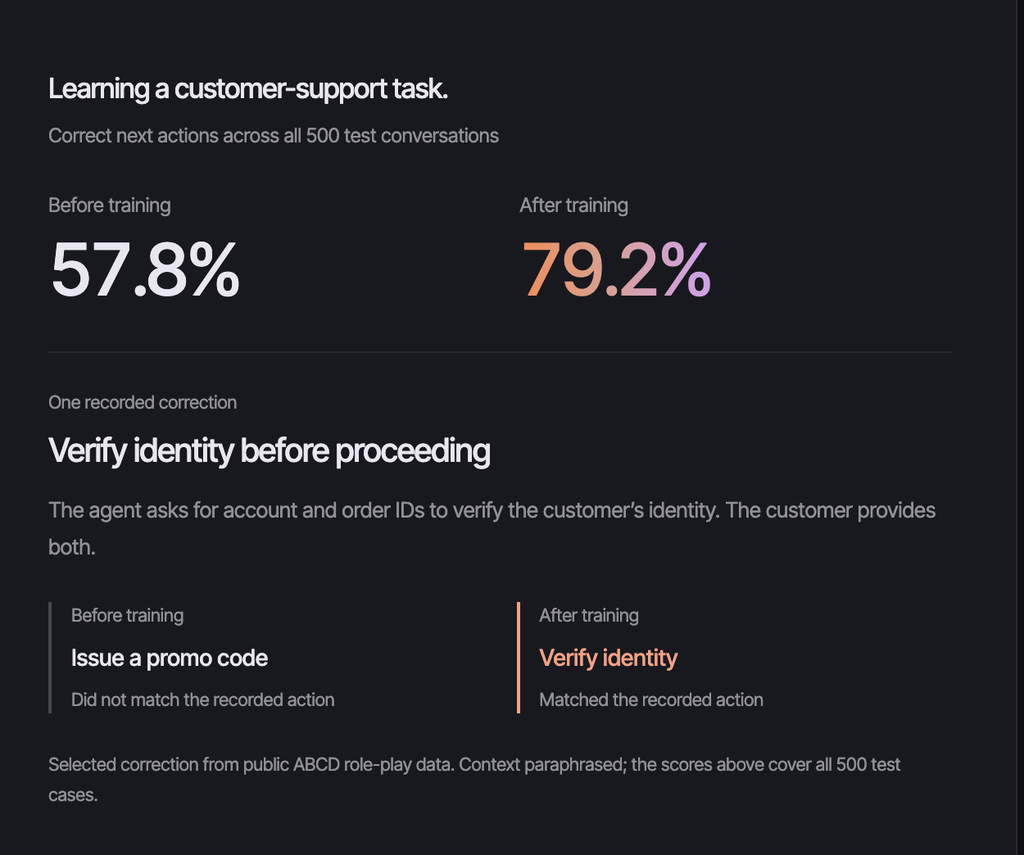
The team has already published an experiment showing what that specialization can do. Zils trained a decision model on 1,024 customer-support conversations and then tested it on 500 conversations it had not trained on.
Accuracy on choosing the recorded next support action increased from 57.8% to 79.2%. On the same test, TypeSafe’s hosted JEV 1.13 scored 70.6%. Zils is careful to describe this as one experiment, not proof that its model is universally better.
That is still a useful demonstration of the thesis. A smaller model trained specifically for one job can sometimes be more useful than asking a larger general model to handle everything.
How Will Zils Make Money?
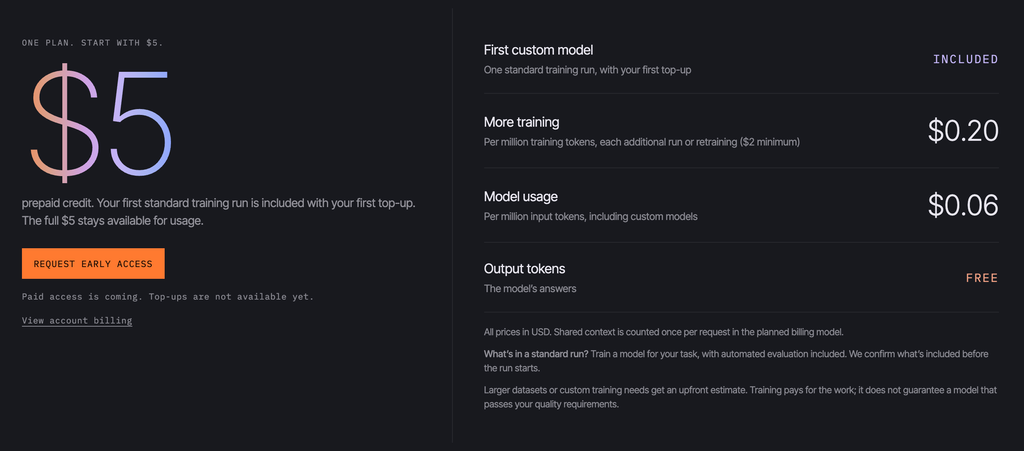
Zils already has a straightforward usage-based business model. Companies pay to train custom decision models and use them through Zils’ hosted API.
Current pricing is $0.06 per million input tokens for decisions, with output free. Training costs $0.20 per million training tokens with a $2 minimum per run. There are no subscriptions, with customers funding prepaid balances as they use the service.
That means Zils can make money from both sides of the product: businesses pay when they customize a model for their own task, and they continue paying as their applications use that model to make decisions.
What Does Bittensor Add?
Zils is not only selling customized models. SN127 uses Bittensor to improve the shared models those custom versions are built from.
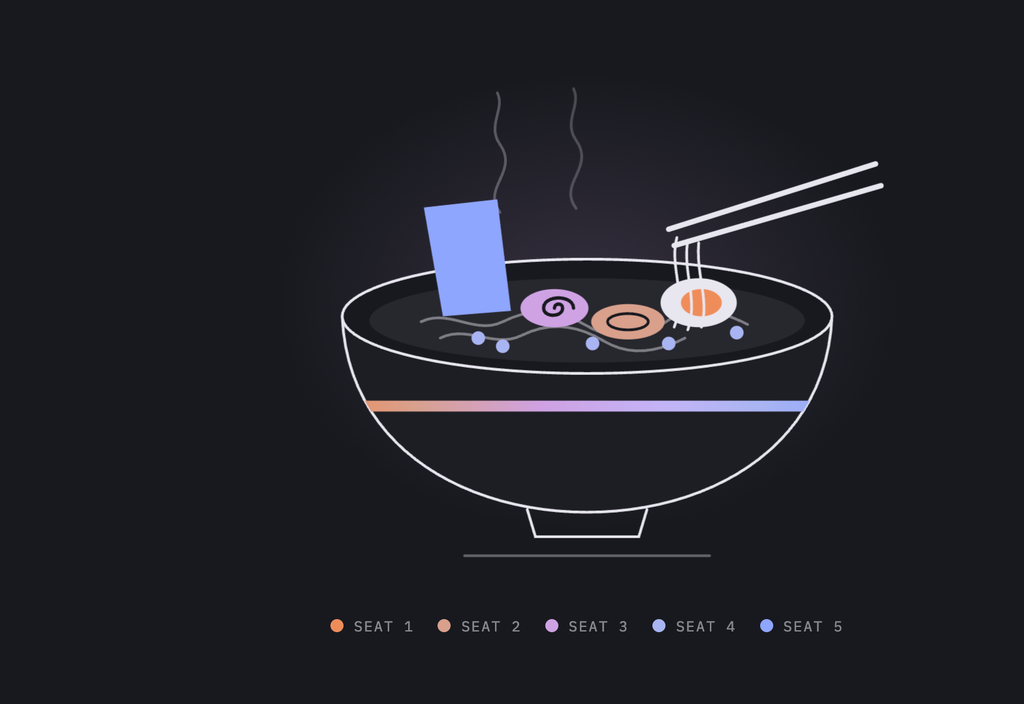
Miners compete to improve Zils’ open z3 model family. They submit model weights into what Zils calls “soup pools,” while validators test the submissions and combine useful improvements into new versions of the shared model. Developers can then train smaller adapters on top of those base models for their own tasks.
The goal is a loop where Bittensor keeps improving the general foundation while customers specialize it for specific decisions.
Zils already offers hosted decisions, training, an API, SDK, and CLI. Its current hosted inference runs on platform GPUs, while serving requests directly through miners is not live yet. Raleigh also said Zils has begun running pilots and has already attracted its first customers.
As AI gets embedded into more software, millions of small decisions will happen behind the scenes. Using a frontier LLM for every one of them makes little sense if a smaller model can make the same decision faster, cheaper, and with better specialization.
Zils wants Bittensor to help build those smaller models.
➛ More on what REAX (SN92) does:
Enjoyed this article? Join our newsletter
Get the latest TAO & Bittensor news straight to your inbox.
We respect your privacy. Unsubscribe anytime.
Enjoyed this article?
Join our newsletter
Get the latest TAO & Bittensor news straight to your inbox — every morning before markets open.

No comments yet — be the first.