


Bitstarter sat down with Wouter Haringhuizen, the co-founder of Zeus (SN18), for the latest entry in its series with ML engineers building on Bittensor.
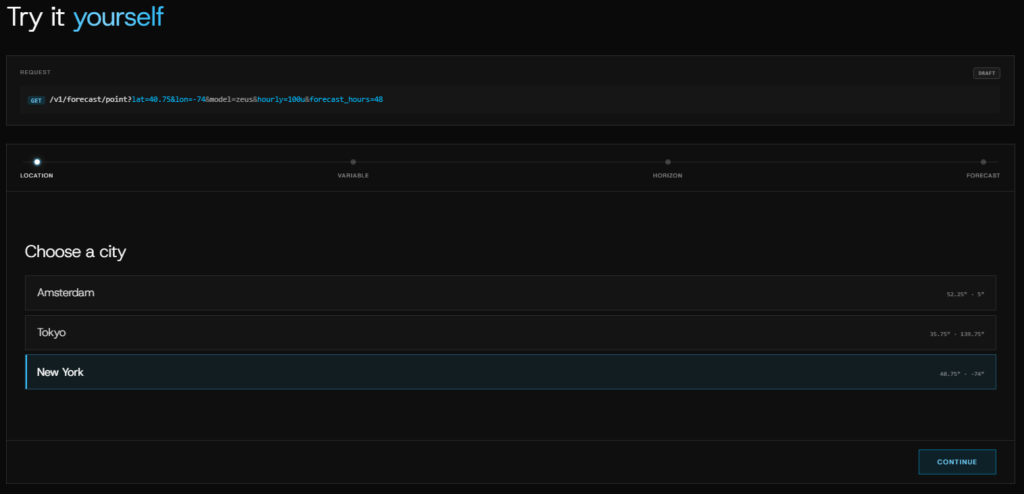
Zeus produces decentralized weather forecasting through Ørpheus AI, selling into real markets like energy trading with a specific focus on wind conditions and wind-farm output.
The conversation covered what wins on Bittensor, why gaming is the barrier most builders do not see coming, and where he would start if launching an ML subnet today.
The throughline is that building an ML subnet on Bittensor means building two algorithms rather than one, and the second one is what nobody warns you about.
Why Bittensor’s Measurement Layer Wins
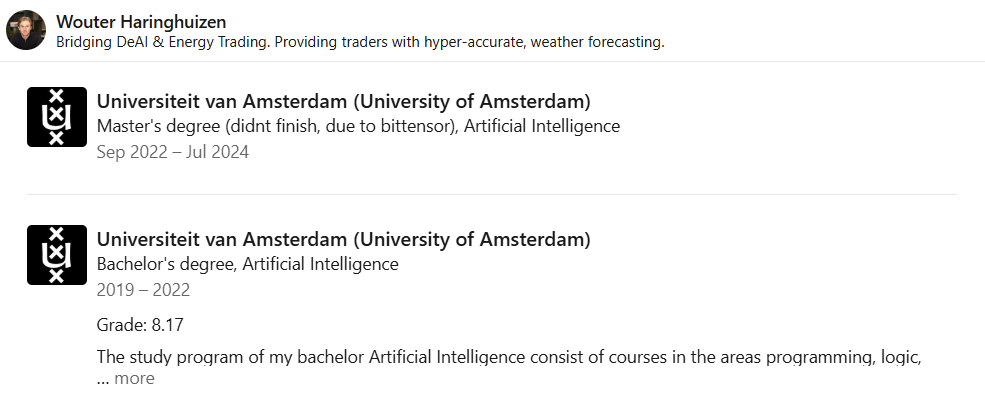
Wouter was against crypto until Bittensor’s specific design pulled him in. During his AI master’s, he was mining enough $TAO that continuing on the academic path stopped adding up, so he abandoned his thesis and started a company.
1. Normal companies reward the best story: The sharpest sales narrative around a tool usually wins, regardless of underlying quality.
2. Bittensor inserts a layer between story and reward: A good story still matters, but the pipeline underneath is objectively measured.
3. Technical performance gets paid directly: A good programmer who delivers the best result earns the most, without needing to run the sales function around it.
That last point is the specific attraction. Being rewarded for technical output rather than selling ability is not a value proposition traditional companies typically offer.
The Two-Algorithm Problem
The main reason more ML is not being built on Bittensor is gaming, and the burden it creates is heavier than most first-time founders realize.
1. Mining teams study validator code to abuse it: The moment a subnet launches, they start finding the exploits.
2. The code is open source by design: Everything a miner needs is publicly available.
3. Enforcing “better score means better quality” is incredibly hard for ML: The gap between what the algorithm measures and what quality actually is becomes the exploit surface.
4. Every subnet has to build two algorithms: The ML model itself, plus a defense algorithm around it running as its own separate system.
Wouter studied AI, and five or six people on his team also studied AI, some with cum laude honors, and protecting the mechanism was still very difficult.
Where to Launch and What Fits
Under dTAO, a subnet has to produce something people actually want. That changes how teams should approach product selection.
1. Two paths in: Either build a proof of concept for something you already know people want, or push into an area technically and take it to a community to test demand.
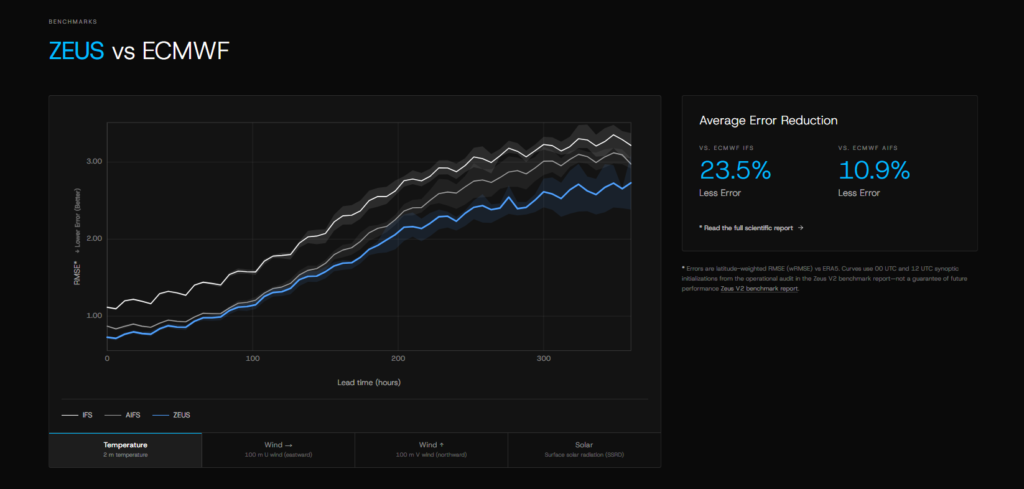
2. Zeus took the second path: Weather forecasting for energy trading, iterating faster than the incumbent models that only update every one or two years.
3. Go narrow: Pick a niche big enough to be commercially interesting but small enough that you are not fighting OpenAI or DeepSeek head-on.
4. One direction worth exploring (extremely small, locally-usable models): A model good enough to help someone walking into a forest with no signal and a basic phone in their pocket.
Start thinking about the market early, because you cannot tell a customer that it works by magic.
Where Founders Get Burned
Two specific traps catch new subnet founders more often than any other.
1. Accepting “help” from mining teams on the initial code: New founders with a good story get offers to have mining teams write the first version of the validator. It sounds amazing, but there is almost always something behind it.
2. Getting pulled into short-term crypto hype: People want a 50% jump in ten seconds. The pressure to optimize for that is constant, and the teams that last say the same thing repeatedly: we are here for the long run.
The balance between crypto energy and scientific rigor is real, but the hype cannot become the product.
The Complexity That Bounces ML People Off
The single change that would bring more ML founders onto Bittensor is reducing the number of layers between an ML person and shipping.
1. Almost every AI person is enthusiastic about Bittensor at first: The mission resonates.
2. Then they hit the crypto layer: dTAO, alpha mechanics, lockups, deregistration, emissions.
3. The complexity compounds: Two years full-time and Wouter noted he could not explain half the rules.
4. Abstraction and trustworthy documentation would help: Anything letting an ML person build without becoming a crypto native first.
That change alone would bring in a lot of very good ML people who currently bounce off before they try.
Pitchtensor: The Faster Route In
While Wouter’s journey into Bittensor took two years and an abandoned thesis. Bitstarter’s Pitchtensor at Exploit Summit in Montreal this September is the faster one for ML teams: shortlisted teams pitch live to a mixture-of-experts panel before finalists go head-to-head in an on-stage crowdfund.
The team that raises the most walks away with a subnet slot and launch support. Same format Bitstarter used to launch Claims (SN111) and Provenonce (SN87), this time focused entirely on machine learning.
Teams bring the method and the conviction; Bitstarter handles the protocol layer, the launch, and the room full of people who fund it.
Two Algorithms, One Real Answer
Bittensor rewards ML teams who understand two things at once: The first is the model, where technical performance actually earns; the second is the mechanism defense, where the gap between what your validator measures and what quality is becomes an exploit surface.
dTAO has made market fit non-negotiable, niche selection has replaced broad-category ambition, and the crypto layer remains the biggest structural barrier to attracting the ML talent Bittensor needs. For any founder weighing an ML subnet against a conventional seed round, the two-algorithm problem is the one worth understanding first.
➛ Read Bitstarter’s Previous Conversation With an ML Enthusiast:
Enjoyed this article? Join our newsletter
Get the latest TAO & Bittensor news straight to your inbox.
We respect your privacy. Unsubscribe anytime.
Enjoyed this article?
Join our newsletter
Get the latest TAO & Bittensor news straight to your inbox — every morning before markets open.


No comments yet — be the first.