


Bitcast (SN93) went through an investor-focused interrogation, covering every question subnet owners typically prefer to avoid answering publicly.
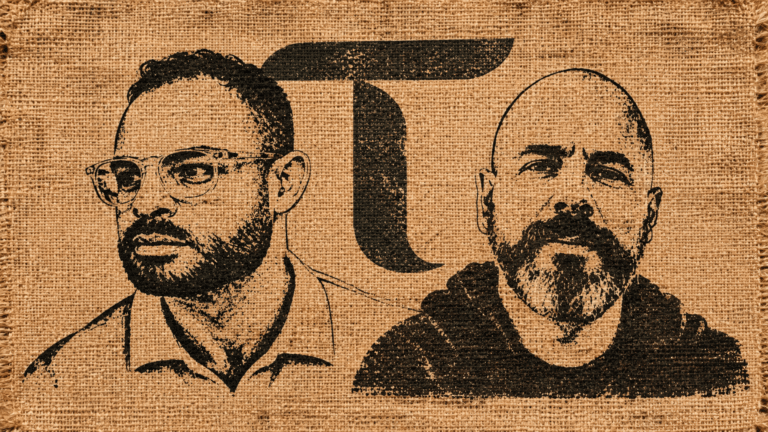
On Tao Templar’s inaugural Incentive Search Episode, CEO Tom Blears covered revenue, profitability, and subnet-owner wallet activity across the operation.
That conversation also dug into growth plans and what would happen if chain emissions disappeared entirely tomorrow.
Tom also talked about subnets thriving without needing ‘Bittensor subsidies’.
The Hard Questions and the Answers
Let’s go through some questions and how Tom answered them.
1. Would SN93 Survive if Bittensor Removed Emissions Completely?
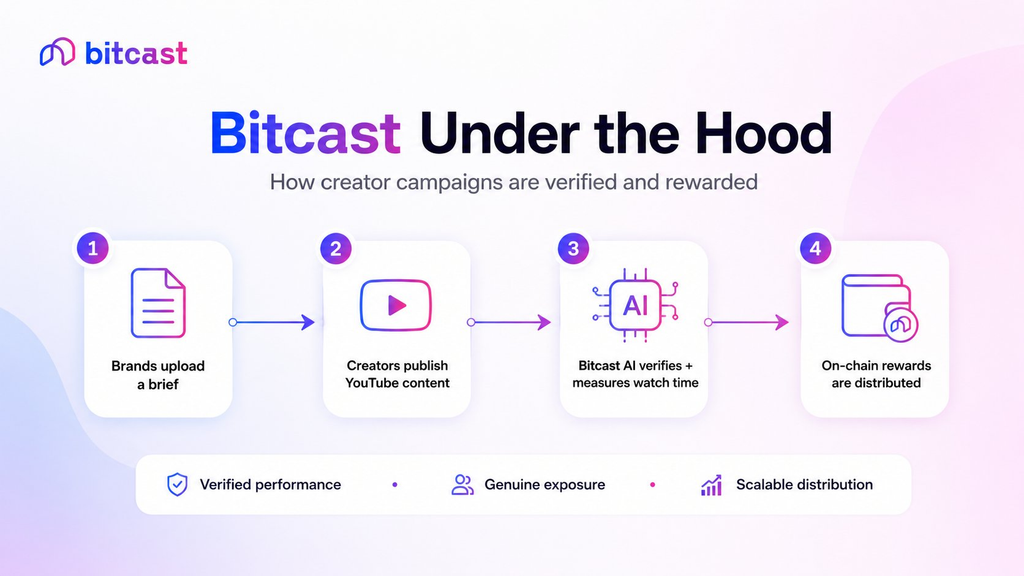
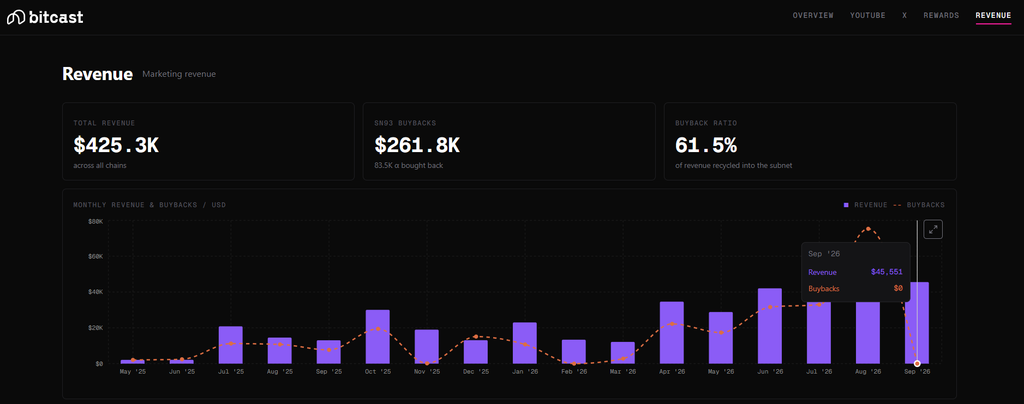
Yes, comfortably, because Bitcast operates at 30-40% profit margins on revenue projecting between $80,000 and $90,000 this month. The four-person team operation is designed not to rely on chain subsidies to fund the subnet, using them instead to accelerate growth.
2. What Is the Most Valid Criticism of Bitcast Currently?
Sales remains the primary bottleneck, since finding clients and getting them to sign contracts is still quite manual work. Updates are now underway to address that specific problem through AI-driven outreach.
3. What Would Ever Make the Team Walk Away From the Subnet?
Nothing currently on the horizon, with no interest whatsoever in ever selling the subnet or transitioning ownership away from the team. The operation has no VCs, no equity investors, and no legal obligations pulling either co-founder toward any exit outcome.
4. What Safeguards Prevent a Rug or Project Abandonment?
A large percentage of the owner key sits perpetually locked with no decay curve releasing those tokens back into supply over time. Revenue buybacks are also locked, and the two co-founders self-funded the entire subnet slot without any outside capital at launch.
5. What Are the Team’s Views on the Equity Versus Token Debate?
$SN93 is treated as the equity itself, with no legal obligations owed to any external shareholder class outside the token holders. Selling equity would require serving different stakeholders whose relationship with $SN93 holders would be genuinely difficult to reconcile properly.
6. How Much of the Team’s Own Money Went Into Launching the Subnet?
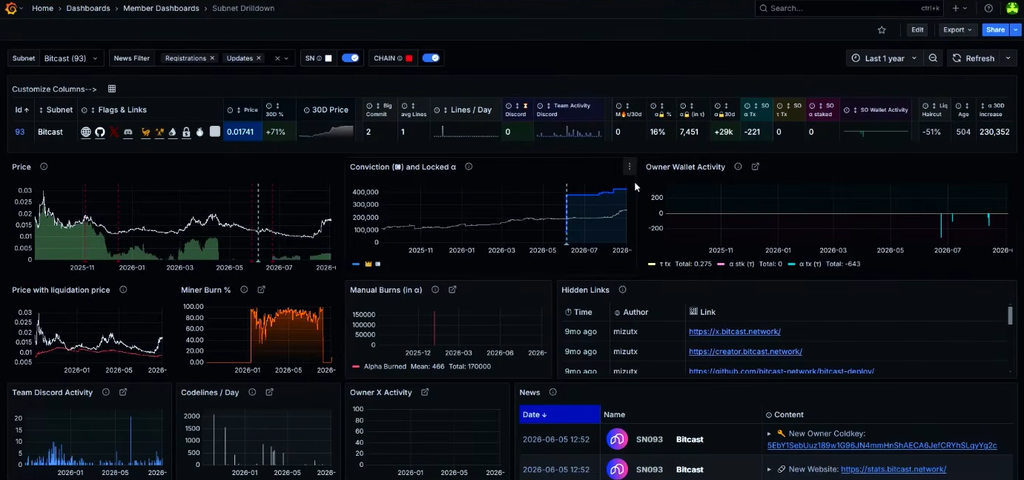
The subnet slot cost 290 $TAO of self-funded capital, bootstrapped entirely by the two co-founders. Financial assistance was attempted but never secured, so all launch capital came directly from personal funds at meaningful expense to both co-founders.
7. Is the Team Doing Buyback-and-Burn or Buyback-and-Lock Going Forward?
All buybacks now flow into perpetual locks, preserving the tokens while removing them from circulation, and keeping flexibility for potential shorting or lending features arriving on Bittensor later. Locked tokens function equivalently to burned tokens for circulating supply purposes while keeping strategic options open across evolving protocol mechanics.
8. What Difficult Question Should Investors Be Asking Every Subnet Owner?
“How will you ever put more into the subnet than you took out through emissions across the entire operating history?” That is the question Tom Blears wants every subnet owner to ask themselves, adding that any team without a clear answer likely lacks a genuine business behind whatever incentive mechanism they currently run.
A Subnet Built on Real Financial Thinking
Bitcast just delivered the transparent investor Q&A many subnet owners would rather avoid. Every hard question came back with an answer traceable to specific dollar amounts, locked wallets, or verifiable commercial activity on the platform. What Bitcast delivered was proof that some subnets have moved past marketing rhetoric into genuine operating maturity investors can verify independently.
Enjoyed this article? Join our newsletter
Get the latest TAO & Bittensor news straight to your inbox.
We respect your privacy. Unsubscribe anytime.
Enjoyed this article?
Join our newsletter
Get the latest TAO & Bittensor news straight to your inbox — every morning before markets open.
No comments yet — be the first.