

Centralised AI carries four major public criticisms today: energy consumption, privacy erosion, model bias, and unfair labor practices behind the scenes.
Subnets for Good just mapped each one of those complaints directly to a Bittensor subnet already working on the specific problem.
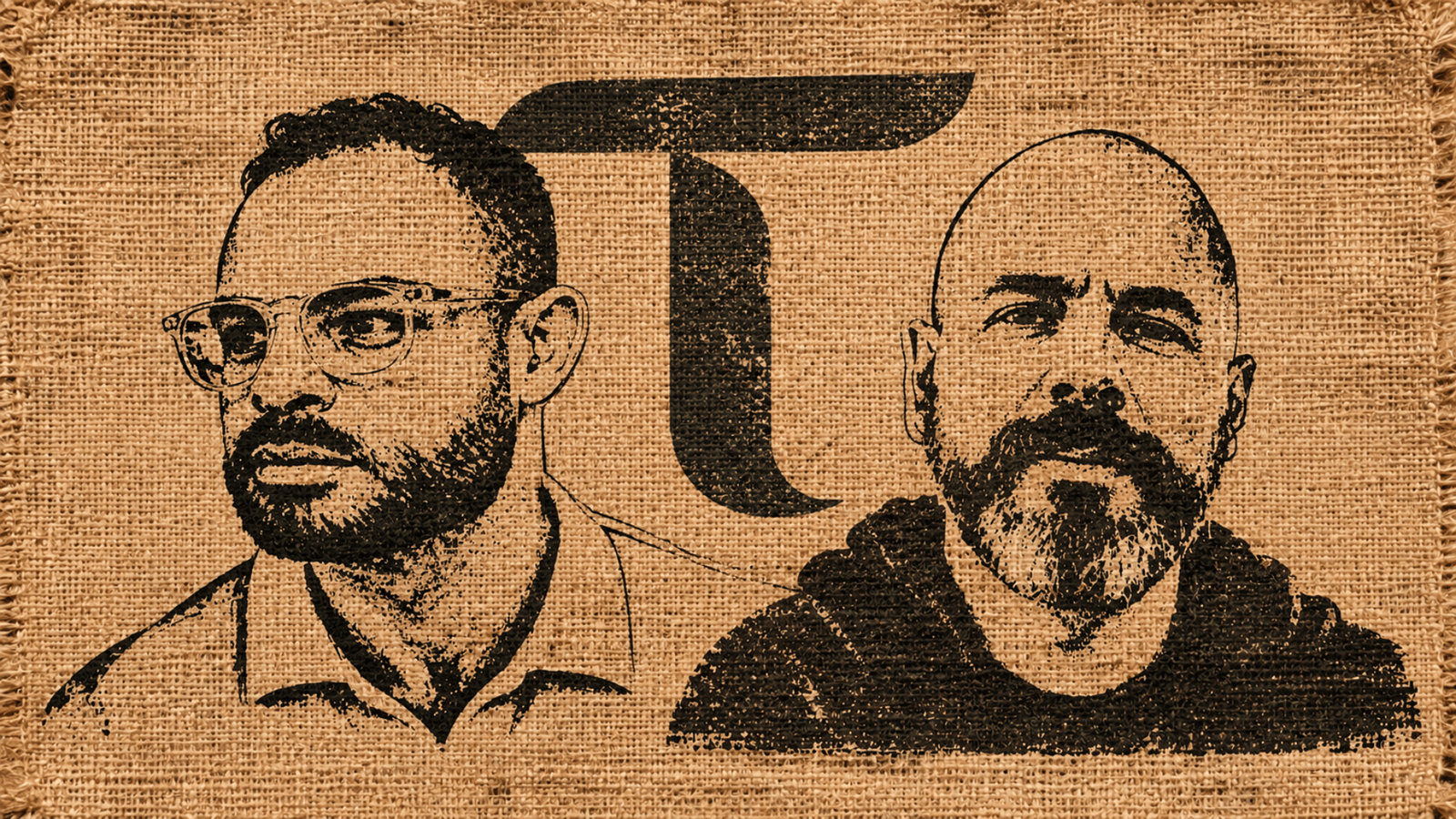
Andrés Márquez-Lara, the founder, unpacked the mapping on TAO Pill along with the outreach Subnets for Good is running across the social sector. The same conversation previewed the comprehensive agenda for the Exploit Summit in Montreal.
AI’s Public Criticisms Mapped to Specific Subnets
Each headline complaint about centralised AI has a Bittensor project working directly against it in production or approaching launch.
1. Energy consumption complaints get answered by Green Compute (SN110): Renewable energy sources power the GPU compute, taking the climate criticism off the table for anyone building inference on top.
2. Privacy erosion complaints get answered by Targon (SN4) and Chutes (SN64): Confidential compute infrastructure keeps user data invisible even from the machines running the workloads themselves.
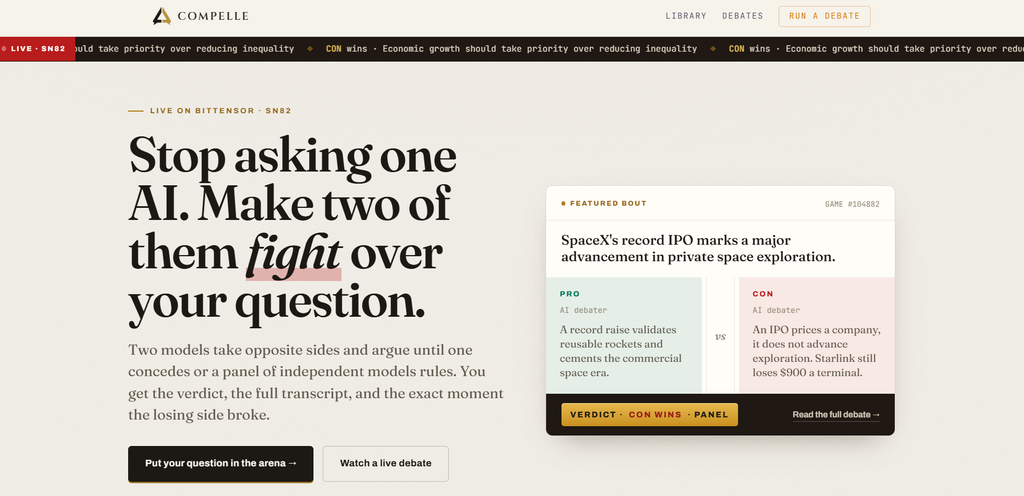
3. Model bias complaints get answered by Compelle (SN82): Two models argue and debate each other on the same prompt to expose the assumptions each one carries into its outputs.
4. Alignment concerns get answered by Aurelius (SN37): The subnet trains models to understand harm and morality over pure optimisation for helpful task completion.
Any observer wanting a rebuttal to centralised AI critiques now points at a specific Bittensor subnet working the exact angle being complained about.
Concrete Bridge Work Between Bittensor and the Social Impact Sector
Subnets for Good is running two specific initiatives to connect Bittensor’s supply layer with buyers and builders outside the crypto-native audience.
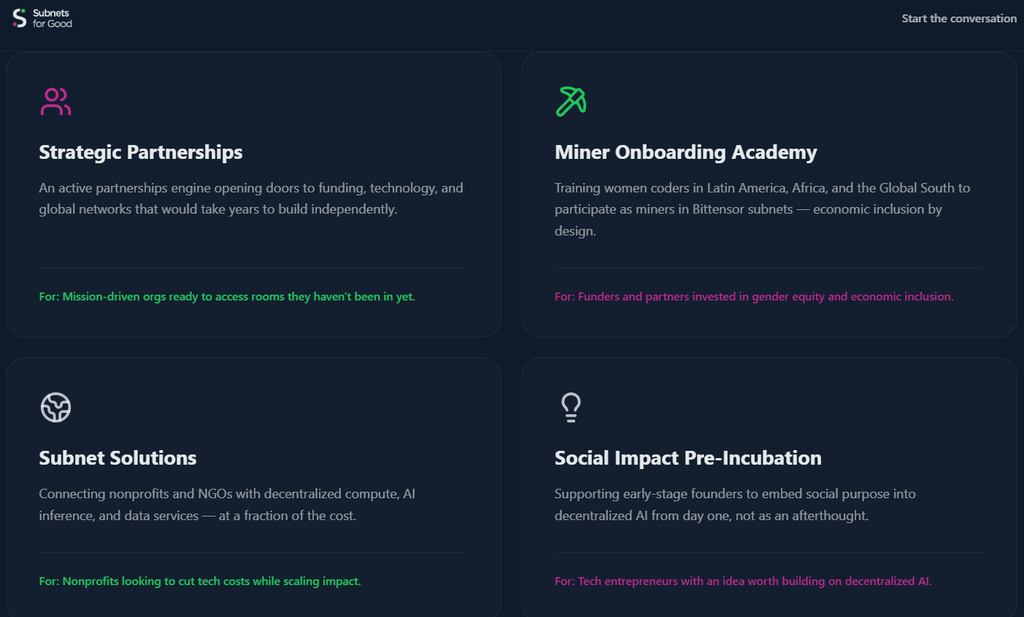
1. TechSoup partnership underway for cheaper nonprofit compute: The existing global platform serving nonprofits could route through Targon (SN4), Engy (SN53), or Chutes (SN64) to deliver dramatically lower inference costs to social sector clients.
2. Hackathons being planned for women coders across the Global South: African and Latin American developer talent gets onboarded to mining, instead of losing out on centralised job competitions elsewhere.
3. Direct feedback loops between users and subnet founders: Small-scale customers like Andrés himself submit product suggestions and see changes appear within days.
4. Non-technical roles become visible pathways into the ecosystem: Facilitators, connectors, writers, and community organisers each find genuine ways to contribute without touching a single line of code.
The bridging work turns Bittensor from a crypto-native community into an ecosystem serving buyers who never wanted to figure out custom developer integrations.
Exploit Summit Details Worth Knowing Before You Book
The Montréal event on September 28 and 29 carries programming designed around genuinely different conversations happening simultaneously across two stages.

1. Two flagship debates anchor the main stage: The first covers Revenue vs Research as competing subnet philosophies, and the second asks whether Bittensor protocol changes arrive too fast or too slow for founders trying to build.
2. Sunday night pub quiz kicks off the networking side: Casual programming the day before official sessions begin gives attendees informal ways to meet each other first.
3. Partnerships in the works with local Montreal AI groups: McGill AI Lab is among the names, with on-the-ground partners already helping bring attendees in from the city.
4. Affine (SN120) sponsors the after-party following day one: Drinks covered for attendees during the main networking evening across both event days.
Every element of the programming targets the specific interactions that produce follow-up business, not just filling seats through sessions.
Three to Five Years Before the Window Closes
Bittensor has a narrow window before centralised AI labs lock in their dominance across the market permanently. Every day the ecosystem waits to build recognisable consumer products, Anthropic and OpenAI capture more market share and secure more enterprise contracts.
Subnets for Good pulls non-crypto-native talent, capital, and customers into the network before that window closes. Facilitators, connectors, writers, and social sector operators all have real roles alongside developers already inside the ecosystem.
Enjoyed this article? Join our newsletter
Get the latest TAO & Bittensor news straight to your inbox.
We respect your privacy. Unsubscribe anytime.
Enjoyed this article?
Join our newsletter
Get the latest TAO & Bittensor news straight to your inbox — every morning before markets open.

No comments yet — be the first.