


A new comparison inferred Bittensor and Base as the two on-chain ecosystems with the highest concentration of unique AI projects, and lays out how each one approaches decentralized AI.
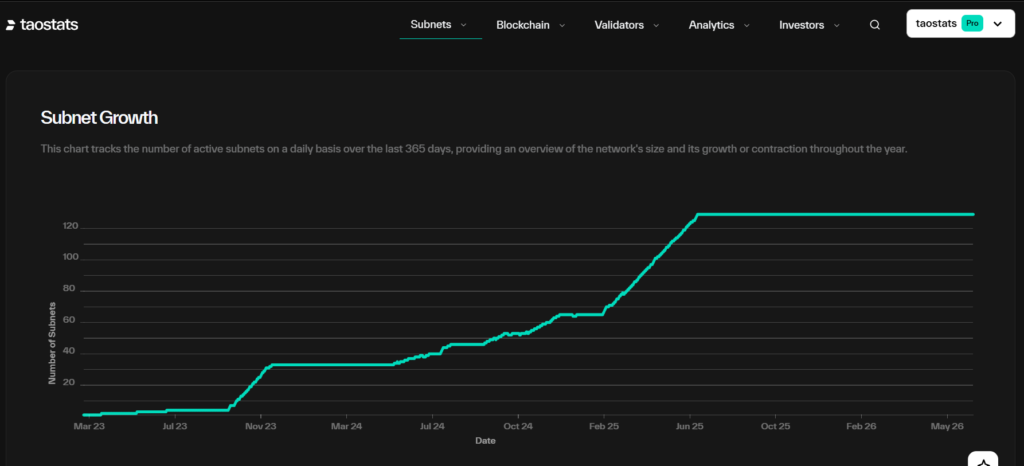
Bittensor operates as a capital and talent bootstrapping mechanism where 128 subnets compete for a share of 3,600 $TAO in daily emissions through custom incentive structures. Base operates as a distribution and capital highway where AI teams tap into Coinbase’s user base, x402 agentic infrastructure, and a deep DeFi ecosystem.
Both networks are investable now, and the decentralized AI thesis (sovereignty, permissionless participation, collective ownership) runs through both even though the mechanics differ significantly.
What Each Ecosystem Is
The two networks solve different parts of the same problem, and this article walks through what each one is optimized for.
| Bittensor | Base | |
| Core Function | Talent and capital bootstrapping | Distribution and agentic transactions |
| Structure | 128 subnets, each with custom incentives | General-purpose chain across DeFi, RWAs (Real-World Assets), payments, AI |
| Daily Emissions | 3,600 $TAO across subnets | No native emissions; growth via DeFi and agentic volume |
| Ranking | #1 Decentralized AI ecosystem | Top 5 chain by TVL (Total Value Locked), leader in x402 volume |
| Backing | Emission-funded ecosystem | Coinbase distribution and DeFi infrastructure |
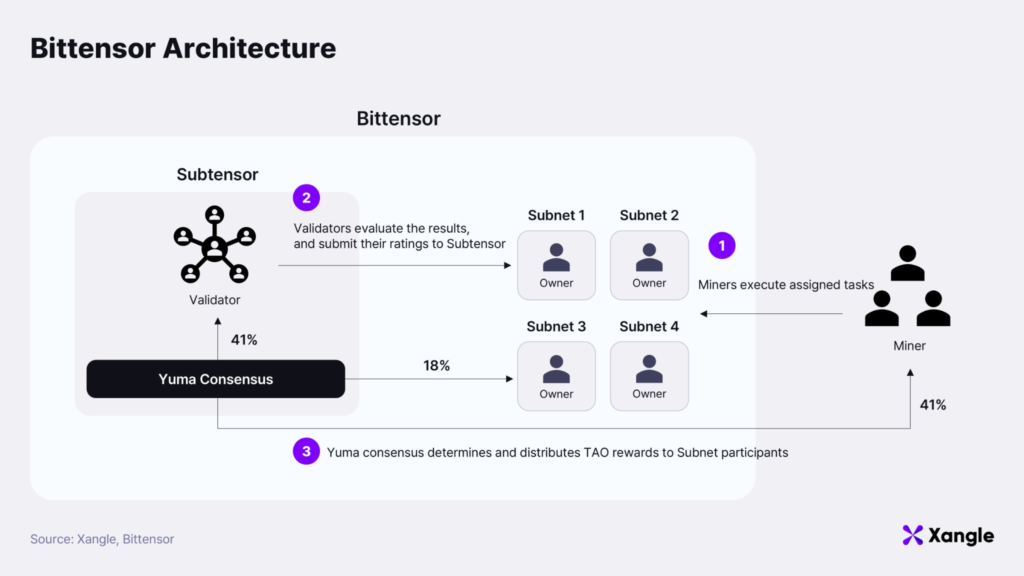
Bittensor’s setup is that subnet owners design incentive mechanisms that run as perpetual competitions. Miners compete daily for the highest scores, with top performers earning thousands per day.
The mechanisms cover compute networks, inference, sales agents, coding agents, research agents, and data labeling, with each subnet’s economic design set by its owner.
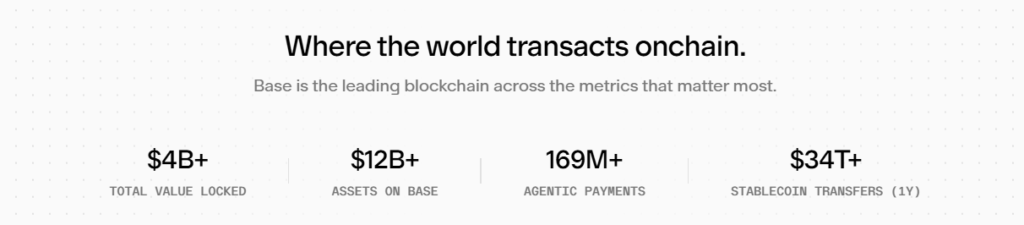
Base’s setup, by design, is broader. The chain supports trading, RWAs, stablecoins, payments, AI, and DeFi through one infrastructure, with the pivot into the agentic economy positioning it as the settlement layer for x402 transactions.
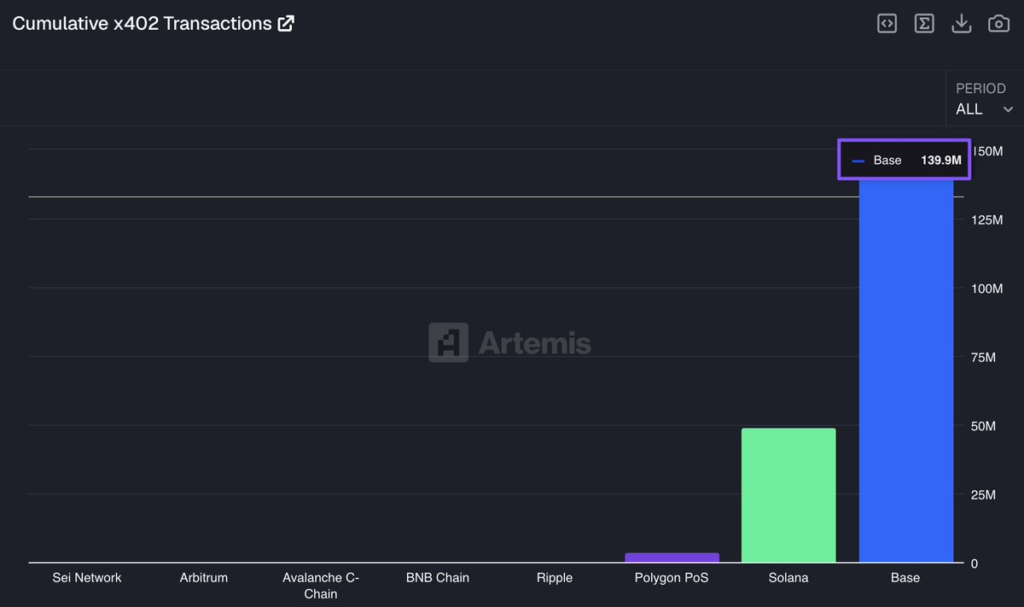
Most x402 transactions now settle on Base, driven by Cloudflare integration, agentic wallets, SDKs, and dedicated infrastructure investment.
Recent stats show average x402 transactions up 5x in June to roughly 500,000 per day, with BlockRun (a Base protocol) contributing 7 million of the last 10 million transactions in the last 30 days.
Why The Decentralized AI Thesis Matters
Both ecosystems are responding to the same shift in the AI space, where closed frontier labs and regulatory pressure are consolidating who gets access to the technology.
1. Closed Frontier Labs Aggregate Resources: Anthropic, OpenAI, and others consolidate GPUs, talent, capital, and closed models.
2. Governments Can Restrict AI Models: The US has the ability to ban models or dictate who can access them.
3. KYC Requirements May Follow: Users may soon need to verify identity to access frontier AI.
Where decentralized and open-source AI diverge from the closed model:
1. Local model execution. Downloadable models running privately avoid surveillance and data leakage.
2. Private inference through decentralized networks. Data is not trained on without permission.
3. User-owned technology. Use, develop, train, and own the stack rather than rent it.
Open-source AI and decentralized AI are related but separate categories. Open-source models give users privacy and sovereignty directly. Decentralized AI adds economic incentives for contributors, verifiable outputs, permissionless participation at scale, and collective ownership through networks anyone can join.
Where Each Ecosystem Wins
This positions the two networks as complementary rather than competing, with each solving a different bottleneck for AI teams.
Bittensor’s strengths:
1. Native Incentive Mechanisms For Talent: Perpetual competition attracts the strongest miners and researchers globally.
2. Emission-Funded Runway: Subnet owners get a daily budget to build without needing VC capital.
3. Verifiable Output Quality: Validators score work, which produces measurable progress across subnets.
4. Category Focus On Frontier AI Production: The ecosystem’s identity is built around decentralized AI infrastructure.
Base’s strengths:

1. Distribution Through Coinbase: Retail user reach and native onboarding rails.
2. Deep DeFi Infrastructure: Morpho, Aave, Aerodrome, and Uniswap provide capital and liquidity rails.
3. Agentic Commerce Leadership: Most x402 transactions settle on Base, with demand concentrated across a handful of providers including BlockRun’s models and tools, Merit Systems tools, and Vishwa Lab’s pre-execution control layer.
4. Flexibility Across Verticals: AI teams can build alongside trading, RWA, and payment products on the same chain.
While Base is a distribution and capital bootstrapping highway for AI teams, Bittensor is the incentive engine for producing the AI itself.
Teams can theoretically use both, with production running on Bittensor and distribution leveraging Base’s user base and agentic infrastructure.
Where Onchain AI Lands
The comparison makes clear that on-chain AI is no longer a single-ecosystem question. Bittensor’s strength is producing verifiable AI outputs through incentive mechanisms that reward measurable work, which fits teams building models, inference infrastructure, and agent systems. Base’s strength is distribution, capital, and agentic transaction volume, which fits teams building consumer-facing products, payment flows, and market-facing AI applications.
The decentralized AI thesis runs through both, with sovereignty, permissionless participation, and collective ownership as the shared endpoint. For anyone tracking where on-chain AI is heading, the two ecosystems are complementary bets on the same broader shift rather than substitutes for each other.
Enjoyed this article? Join our newsletter
Get the latest TAO & Bittensor news straight to your inbox.
We respect your privacy. Unsubscribe anytime.
Enjoyed this article?
Join our newsletter
Get the latest TAO & Bittensor news straight to your inbox — every morning before markets open.


No comments yet — be the first.