

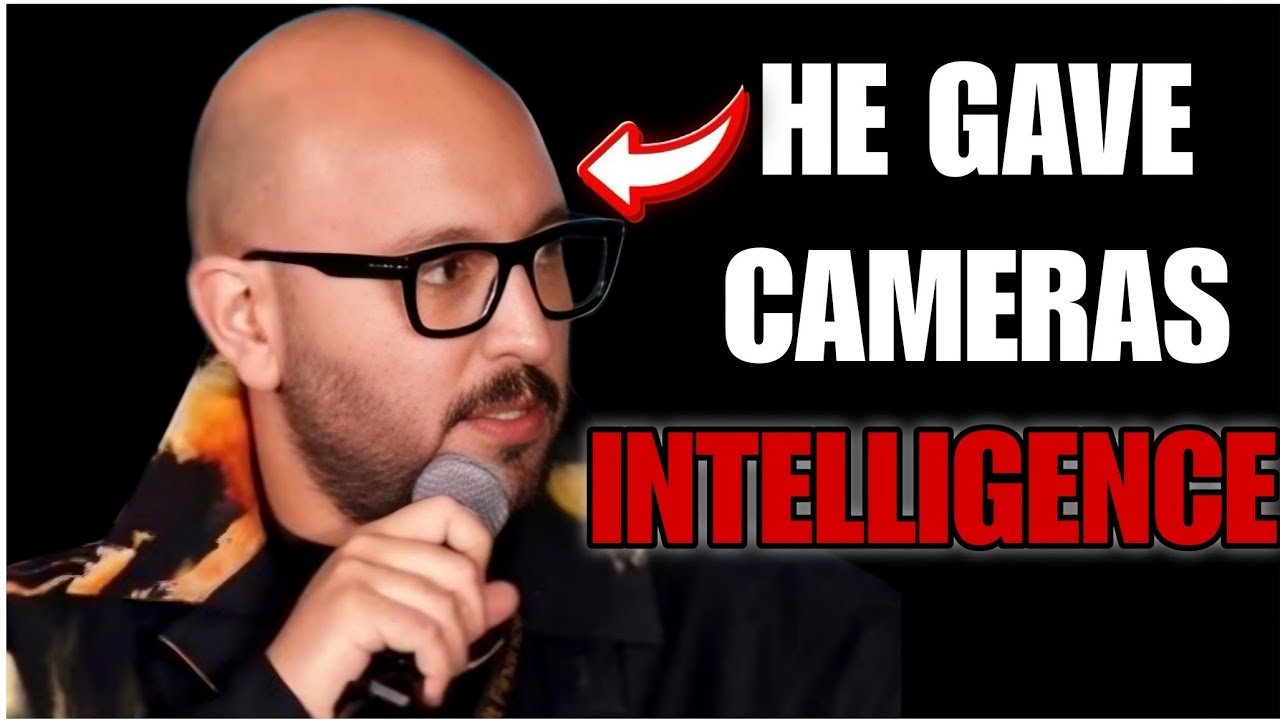
In a conversation on Crypto Millie’s channel, Max Sebti, co-founder of Score (Subnet 44) and Manako, walked through how his team is building computer vision intelligence on Bittensor, why he stays despite easier paths outside the ecosystem, and what’s working under the hood.
Here are the eight biggest takeaways.
1. Score’s product, in one line: “Making every camera intelligent”
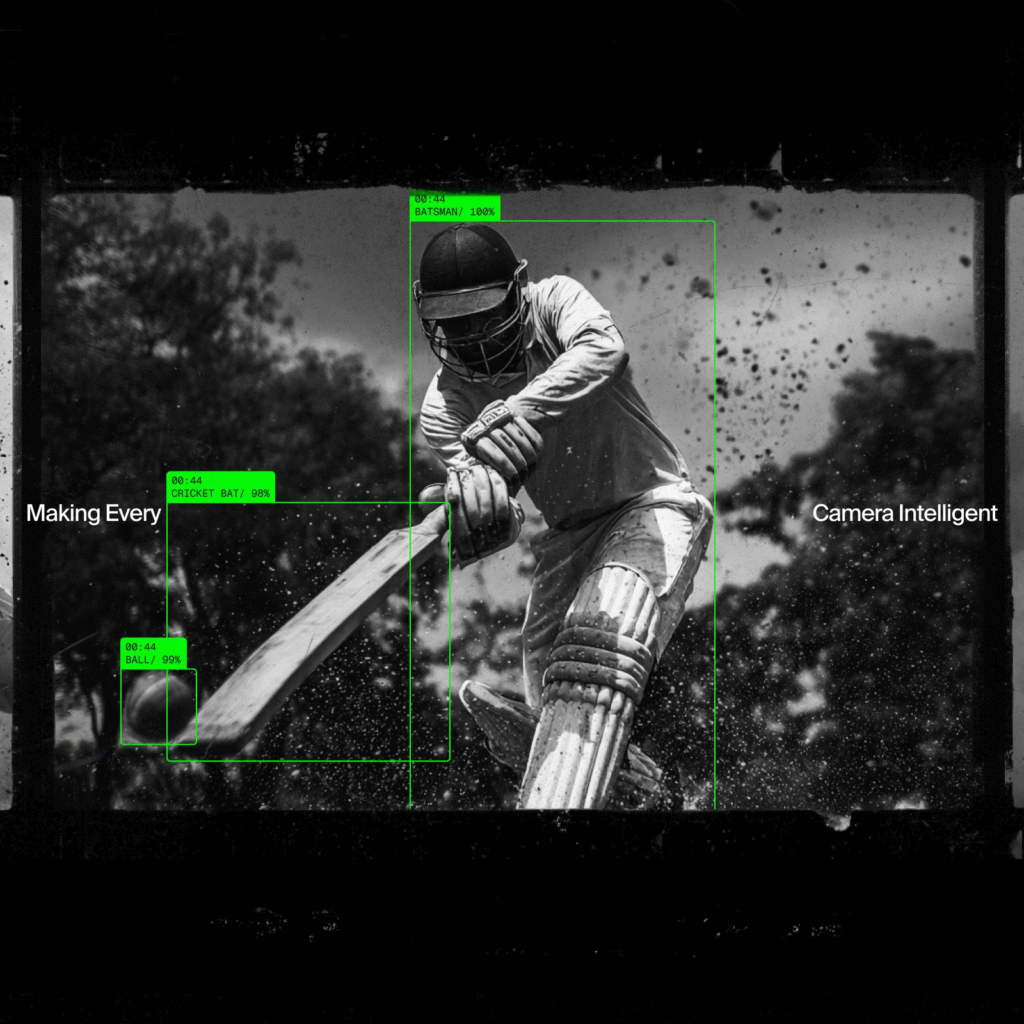
The core technology is knowledge distillation. Score uses large, slow, state-of-the-art vision models as “teachers” to train small, hyper-efficient “brick” models specialized for one task. Those bricks are 300–400x more efficient than the big models they came from. Each one does one thing very well, and they’re designed to run on the edge rather than in the cloud, meaning sensitive camera footage never leaves the device.
“This data is actually super sensitive. The reason we are creating those small bricks is because people needed to have the model running on the edge locally.”
2. Score is the layer; Manako is the front door
Max draws a clean architectural distinction between the two projects:
- Score (SN44) is an open, permissionless vision intelligence layer. Anyone can launch a task on it.
- Manako is the user-facing product that abstracts away the complexity. It “replaces a computer vision DevOps and architecture team” so non-technical clients can plug in their cameras and get working vision intelligence without knowing anything about model deployment.
Crucially, Max explicitly does not want Manako to be the only company building on Score:
“It would be super sad if Manako was the only company to do this on SN44. The minute we would create a monopoly around the subnet, it would mostly say that we’re killing the spirit of Bittensor.”
The subnet will activate native payments and open task submission to anyone and competing companies are welcome.
3. The “Manifest”, a dynamic task system no other subnet has
Instead of updating the entire subnet codebase every time a new task is added, Score uses a single configuration file (the manifest) that defines what miners need to build.
Want a new vision capability on the subnet? Change one file, and the new task goes live.
“This is creating a whole dynamic system, completely flexible.”
For a subnet built around producing hundreds of specialized bricks, this is the difference between being a research project and being shippable infrastructure.
4. Two learning loops, not one
Most subnets have one validation loop. Score has two:
- Pre-training loop: miners train models against synthetic data; validators verify by running inference on Chutes and comparing outputs.
- Real-world feedback loop: when Manako deploys a model with a client and it underperforms in the wild, the difference between lab performance and real-world performance gets fed back to miners. Effectively RLHF for vision models, sourced from actual deployments.
This is the same dynamic that makes Tesla’s data flywheel valuable; the system gets smarter from real-world experience, not just lab training.
5. Max stays on Bittensor because of the business case, not just the ethos
Asked what keeps him in the ecosystem after the Covenant drama and the Conviction debates, his answer was unusually grounded:
“There’s no other place on earth that would provide me with this quality of work. There’s no other place on earth that would get me to this point as quickly… miners are actually working in the right way, producing the expected output, most of the time even better than what we were expecting, and with that flexibility. Even just from a business perspective, I would be absolutely mad not to stay on Bittensor.”
He made it clear that Bittensor delivers better work, cheaper, faster than any centralized alternative.
6. The Swarm drone story is the proof point
About 10 days before the interview, the CEO of Swarm reached out asking if Score’s models were available. Max pointed him to Hugging Face. Swarm downloaded the fire detection model, loaded it onto one of their drones, set up a controlled test fire, and the drone caught it almost immediately.
That’s cross-subnet composability working in production without a single contract, meeting, or integration call. It’s also a glimpse of what Score enables beyond cameras: drones, robots, world models, anywhere vision intelligence is needed.
7. Max’s founder path is unusual and he explains the obsession
Most AI subnet founders come from ML research or engineering. Max’s path:
- Photographer (first job)
- Art director
- CMO for startups
- hCaptcha, running the global data collection workforce (this is where he learned that poorly designed tokenomics create their own sell pressure)
- CrunchDAO, a community of 11,000+ ML engineers competing on financial prediction models
- Score, pivoted from predictions into vision after the community pushed him toward harder problems
“I started with capturing the world in a creative way, but then I wanted to capture the world using AI.”
8. Score is not yet profitable, but the path is clear
Honest answer from Max:
- Team of 13 people.
- Generating revenue, but still investing their own money and not yet at breakeven.
- His own definition of “profitable subnet”: one that fully offsets chain emissions.
- They’ve been deliberately careful about selling pressure, doing OTC deals with VCs and funds rather than dumping on market.
- Recently accepted a $1M investment from TaoWeave (publicly listed) on the Manako side, and locked an equivalent $1M in perpetual conviction on the Score side to signal alignment between the two entities.
Score is building toward sustainability, openly, in front of an audience that can hold them accountable.
The Takehome
Score is one of the more architecturally interesting subnets on Bittensor. With a founder whose entire career has been about capturing the world through different media, the conviction starts to make sense.
Max’s closing message:
“At some point, the token is going to be around for big corporations to say: we need more compute now. How can we get this compute? And then they’re going to realize they can use Targon, or Liam, or Score.”
Full conversation below:
Enjoyed this article? Join our newsletter
Get the latest TAO & Bittensor news straight to your inbox.
We respect your privacy. Unsubscribe anytime.
Enjoyed this article?
Join our newsletter
Get the latest TAO & Bittensor news straight to your inbox — every morning before markets open.


No comments yet — be the first.