

UMI (SN78) is taking its token beyond Bittensor, expanding to Base and Robinhood Chain as the multimodal AI project pushes toward a broader audience.
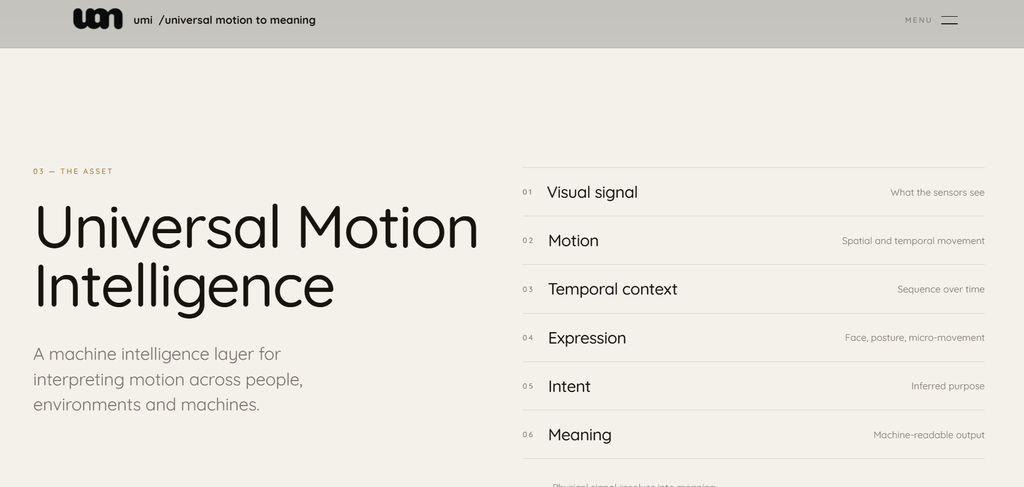
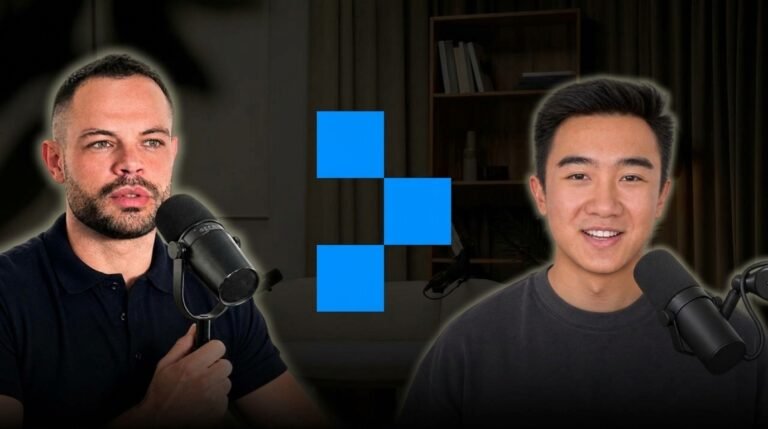
This was discussed by Koyuki ‘Special K’ Nakamori and Michael Parker during a Shizzy Unchained media chat, where they also detailed UMI’s rebrand, Bitsign translation platform, growing commercial interest, and plans for wider adoption.
Through its partnership with ForeverMoney, UMI is positioning its token for easier access across multiple ecosystems while continuing to build its AI infrastructure on Bittensor.
From Vocence to UMI
UMI originally launched as SN78 under the ‘Vocence’ name, with voice serving as its main interface for agentic AI. The project has since expanded into motion, emotion, body language, and sign language, broadening its focus toward multimodal human communication.
Parker joined the project around three weeks earlier and proposed the ‘UMI’ brand name. He connected the Japanese word for 海 ‘ocean’ with the scale of data and intelligence the project hopes to build.
Bitsign Takes Center Stage
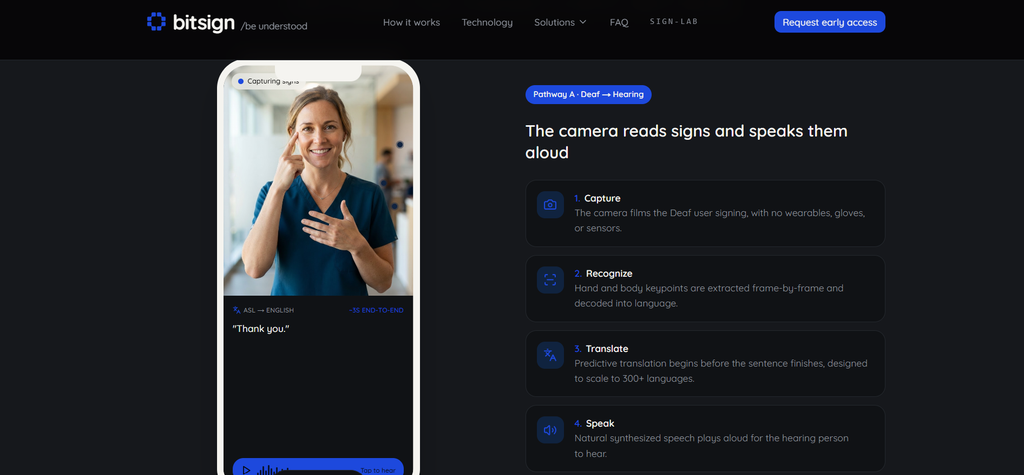
That broader vision is already taking shape through Bitsign, UMI’s flagship American Sign Language (ASL) to English translation platform.
The team explained that effective sign-language translation involves much more than recognizing hand movements. Facial expressions, posture, and body language can all influence meaning.
The technology is also seen extending beyond translation into wider computer vision, multimodal AI, and robotics applications.
Early Interest Is Growing
It was noted that interest is already coming from people who discover Bitsign independently. Some have contacted the team about using the technology for family communication and FaceTime-style translation, while others see potential for small-business interactions.
UMI’s roadmap includes a consumer iOS application, potential dedicated hospital hardware, and enterprise APIs and SDKs.
A Vision Beyond Translation
Special K sees Bitsign eventually becoming part of everyday interactions. She described scenarios where users could scan a Bitsign QR code at Starbucks, use the application in a hospital, or communicate with a real-estate agent through sign language.
The longer-term goal also includes bringing the technology into hardware such as robotaxis, allowing users to communicate through sign language, voice, and other signals.
UMI is also exploring ways for real-world interactions to generate data that can improve its models across environments such as hospitals, supermarkets, and gas stations.
UMI Moves Beyond Bittensor
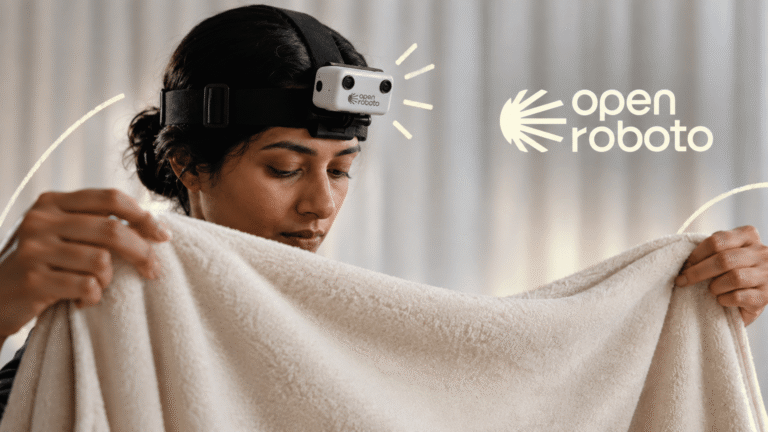
That product expansion now comes alongside a major change for the alpha token. UMI is working with ForeverMoney to deploy its token on Base and Robinhood Chain, following OpenRoboto’s recent multichain expansion.
The team noted that the final stages were underway, with announcements expected from UMI and ForeverMoney shortly afterward.
Why UMI Instead of SN78?
The team is also moving away from using SN78 as the primary public-facing identity. Parker explained that, for token tickers, subnet numbers are familiar within Bittensor but can make projects harder for people outside the ecosystem to recognize.
Using UMI as the ticker is intended to make the project easier to identify across Base, Robinhood Chain, Coinbase, and other platforms. The team also plans to introduce a $UMI cashtag on X and pin contract details to help users distinguish the token.
More Access, Liquidity, and Revenue
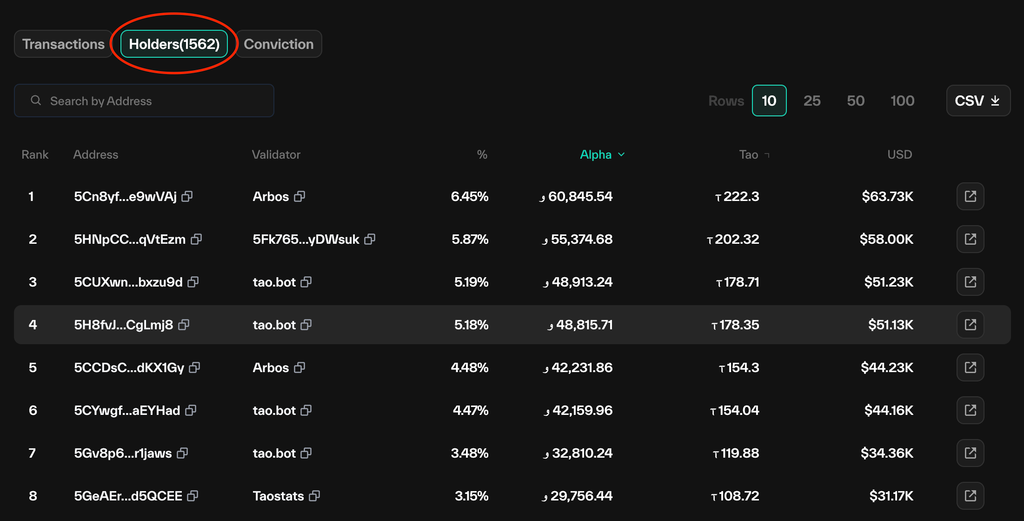
The expansion into other chains is designed to give UMI broader distribution and make its token easier to access outside Bittensor. Parker said the number of holders had grown from roughly 1,100 to 1,500 in recent weeks, which the team associated with lower volatility.
Trading on external chains also creates another potential revenue stream through transaction fees. ForeverMoney receives a share for driving volume, with UMI receiving a portion as well. The team said this revenue, combined with future product income, could support token retention and planned buybacks.
Opening the Door to Bittensor
For UMI, the multichain strategy is also about introducing more people to the wider Bittensor ecosystem. Special K emphasized the demand for accessibility technology and the gap between the cost and availability of human interpreters.
Parker described the ForeverMoney integration as a fast-moving process, taking roughly a day and a half after discussions with the OpenRoboto team. With Bitsign developing into UMI’s main product and the token expanding across new networks, the project is entering its next phase with both its technology and audience extending beyond Bittensor-native users.
Enjoyed this article? Join our newsletter
Get the latest TAO & Bittensor news straight to your inbox.
We respect your privacy. Unsubscribe anytime.
Enjoyed this article?
Join our newsletter
Get the latest TAO & Bittensor news straight to your inbox — every morning before markets open.
No comments yet — be the first.