

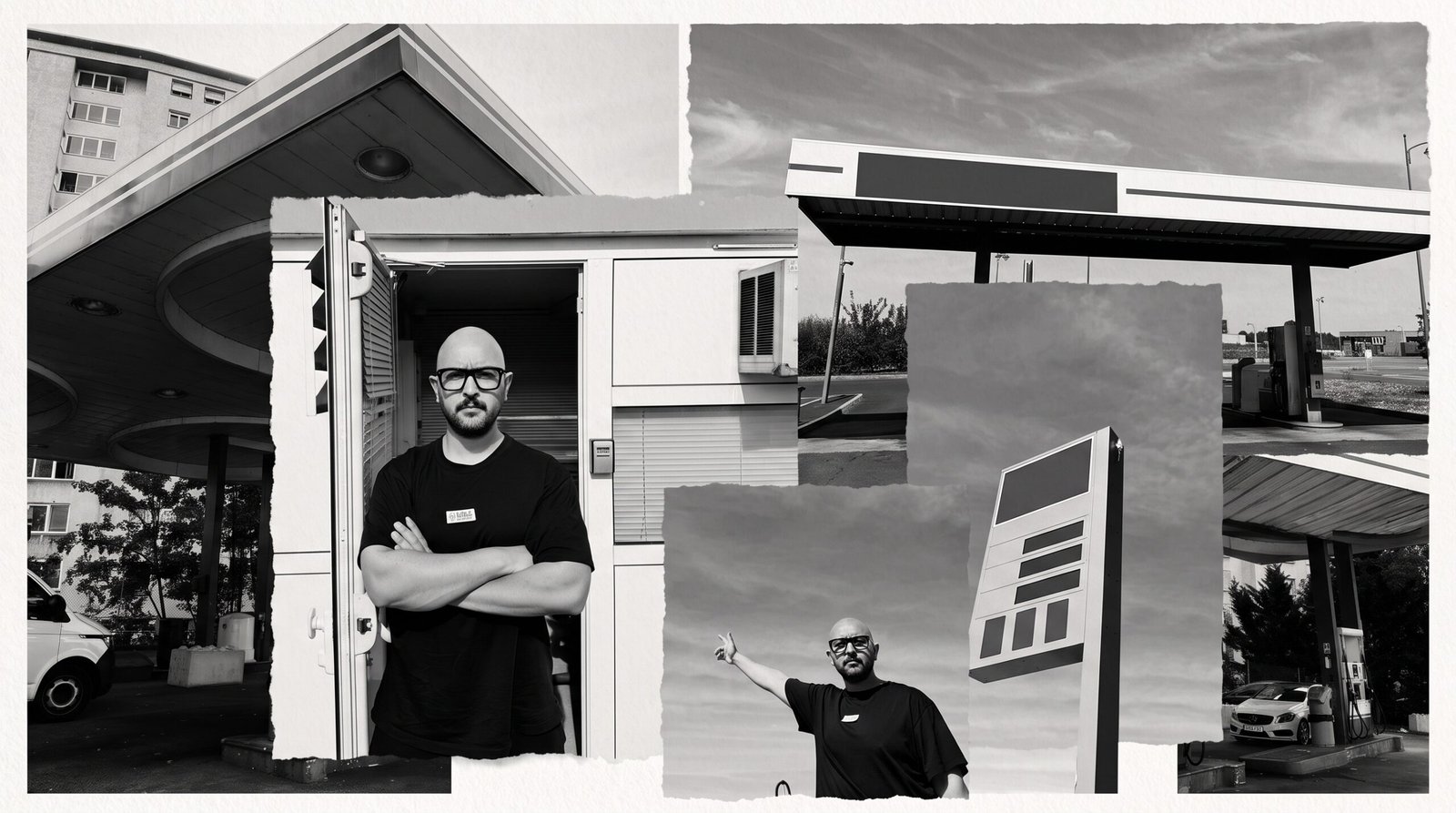
Max Sebti spent the weekend doing something you don’t often see from AI founders. He was driving across France, installing hardware at petrol stations and getting AI models running on real cameras.
The co-founder of Score (SN44) went on a three-day, roughly 900-kilometre trip to install vision AI at 20 AVIA petrol stations. By Sunday evening, 12 sites were live, with more installations planned.
It is part of a larger commercial rollout that could bring Bittensor-powered computer vision to approximately 400 petrol stations across France.
And there is a very practical reason why these stations need it.
Petrol stations have cameras, but who is watching?
Think about how many things can go wrong at a petrol station. Someone drives away without paying, a fuel nozzle starts leaking, a payment terminal stops working, or a vehicle blocks access to a pump.
CCTV cameras may capture these events, but footage is only useful when someone notices the problem and takes action.
And the financial impact is significant. According to the British Oil Security Syndicate, unpaid fuel incidents in the UK increased by 3% in the second quarter of 2026, with the average incident costing retailers £69.12.
The organisation estimates that unpaid fuel costs UK operators more than £100 million annually.
These are UK figures, not losses recorded at AVIA’s French stations, but they illustrate the problem facing fuel retailers.
This is where Score and Manako come in.
Their vision AI uses existing CCTV feeds to identify problems as they happen. A leaking nozzle, malfunctioning pump or blocked bay can trigger an alert to a remote operator, allowing staff to respond sooner.
The system can also monitor potential fuel theft and other safety incidents. It cannot guarantee that every incident will be prevented, but it can help operators identify problems earlier and respond with better information.
As AVIA network manager Guillaume Boussaroque explained when the partnership with Score was announced, making petrol stations autonomous requires more than automated machinery. Operators also need real-time awareness of what is happening on-site.
From Bittensor to the petrol pump
The technology behind these installations comes from Score, Bittensor’s Subnet 44, where developers compete to produce specialised computer-vision models.
Manako turns those models into vision agents that businesses can deploy on their cameras. The models can run locally on small computers installed at the station, allowing footage to be processed on-site.
That explains what Max has been doing on the road.
In August, he shared the first of 124 NVIDIA Jetson-powered devices intended for AVIA France that quarter. This latest trip is another step in getting that hardware installed, connecting it to existing cameras and putting the AI to work.
Max has also shared an early commercial estimate. He says a station using Manako’s basic package of two vision agents can recover its investment in approximately 4.7 months.
The bigger opportunity for Score
Petrol stations are only one application of this technology. Similar vision agents could monitor warehouses, factories, retail stores and other facilities where cameras already exist but staff cannot watch every feed continuously.
Score has also launched Score Studio, giving developers a way to build, train and deploy their own computer-vision applications using the subnet’s technology.
The AVIA rollout provides something equally important. It puts those models into everyday operating environments, where they must deal with changing weather, different camera angles and equipment that does not always behave as expected.
For Max, the work is now about making the technology useful across hundreds of locations.
Twelve petrol stations are already live from the weekend’s trip, with a much larger rollout ahead. Each installation brings Score closer to demonstrating how Bittensor’s AI models can become part of the infrastructure businesses use every day.
Enjoyed this article? Join our newsletter
Get the latest TAO & Bittensor news straight to your inbox.
We respect your privacy. Unsubscribe anytime.
Enjoyed this article?
Join our newsletter
Get the latest TAO & Bittensor news straight to your inbox — every morning before markets open.


No comments yet — be the first.