

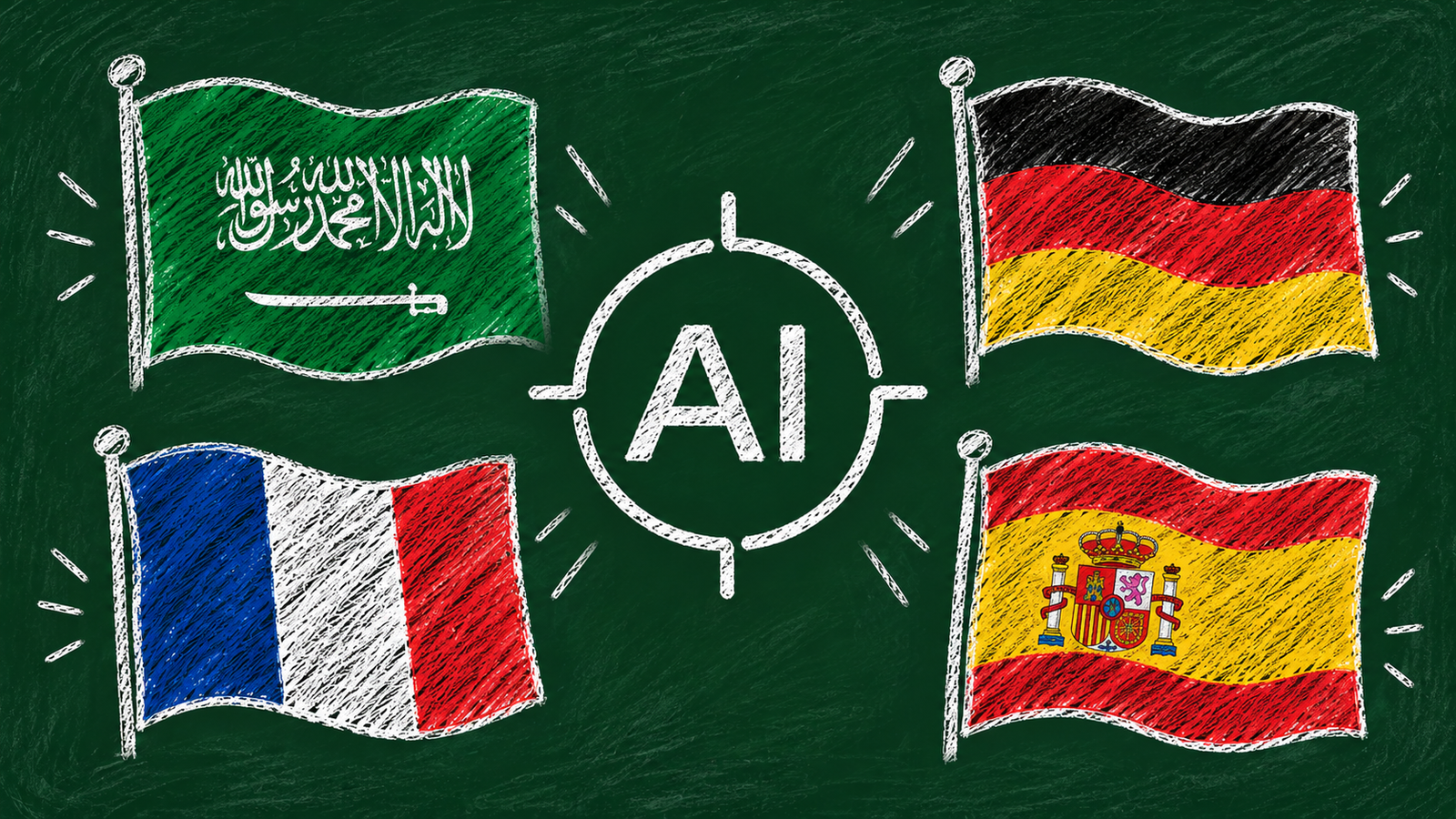
It’s AI (SN32) has reported AI-generated text detection accuracy as high as 99.8% across four languages, alongside false-positive rates below 1% on authentic student writing.
The results cover Arabic, German, French, and Spanish, demonstrating the subnet’s progress in distinguishing AI-generated content from human writing.
The findings also highlight its focus on reducing incorrect classifications, particularly when evaluating work produced by real people.
It’s AI (SN32) allows for contributors to collaborate to develop tools that identify whether text was written by humans or artificial intelligence.
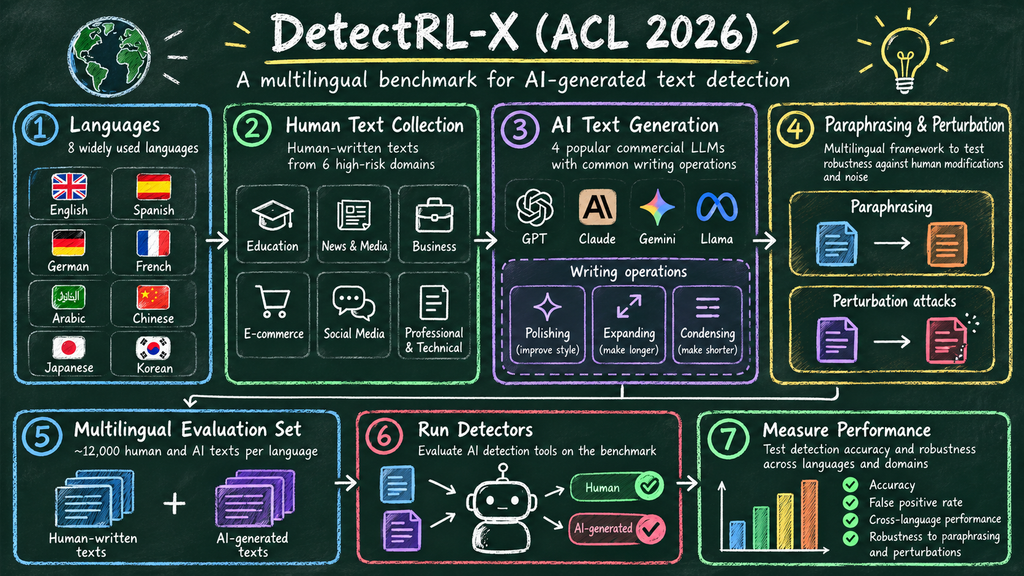
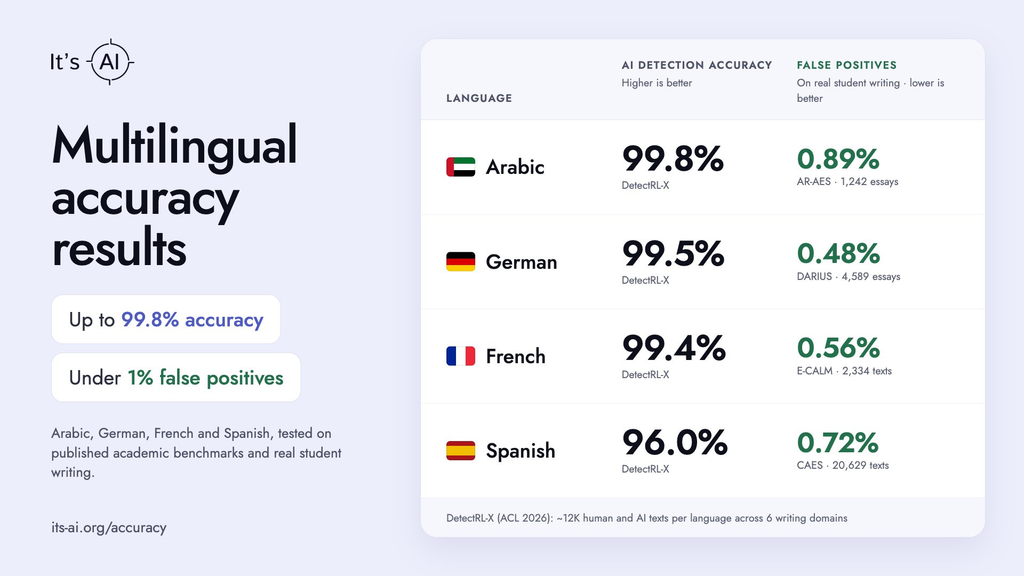
Its latest evaluation used DetectRL-X (ACL 2026), a multilingual benchmark covering six writing domains, modern AI models, and AI-edited content.
Approximately 12,000 human-written and AI-generated texts were evaluated per language to measure the detector’s performance across different writing conditions.
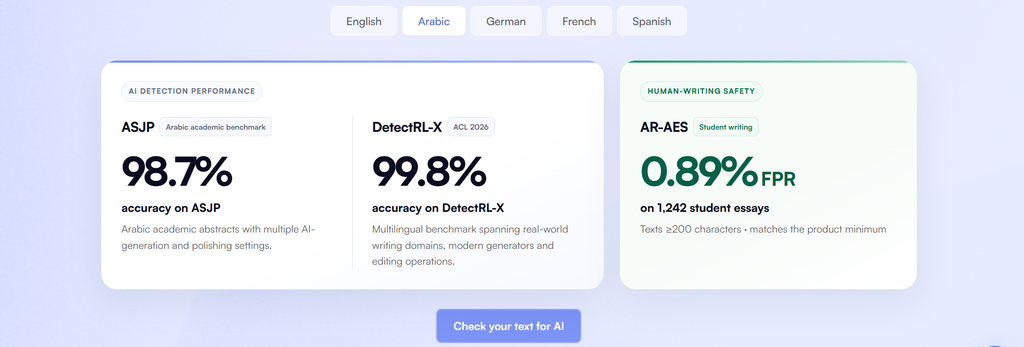
The detector achieved 99.8% accuracy in Arabic, 99.5% in German, 99.4% in French, and 96.0% in Spanish.
These results demonstrate strong performance across languages with different linguistic structures. By testing the system on multiple types of writing and AI-generated content, the evaluation provides a picture of how effectively SN32 can distinguish between human and machine-generated text in multilingual settings.
Beyond accuracy, the team examined false positives, which occur when genuine human writing is incorrectly classified as AI-generated.
Using authentic student writing datasets, It’s AI (SN32) recorded false-positive rates of 0.89% in Arabic, 0.48% in German, 0.56% in French, and 0.72% in Spanish.
The Spanish evaluation included more than 20,000 texts, providing a substantial sample for assessing incorrect classifications.
These results are particularly relevant to education, where incorrectly flagging a student’s work as AI-generated can lead to unfair accusations.
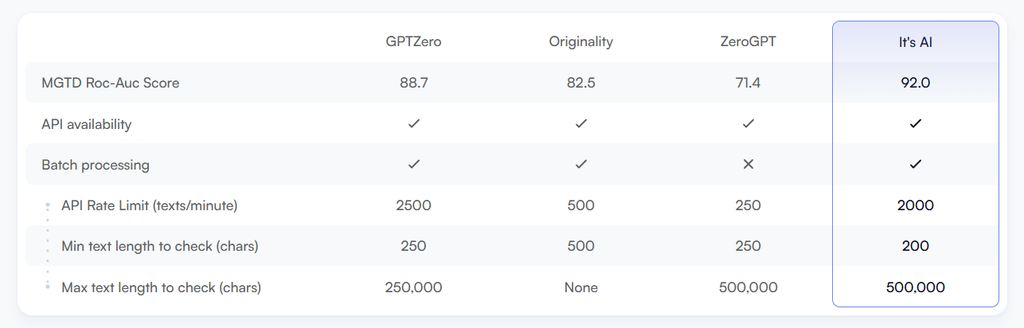
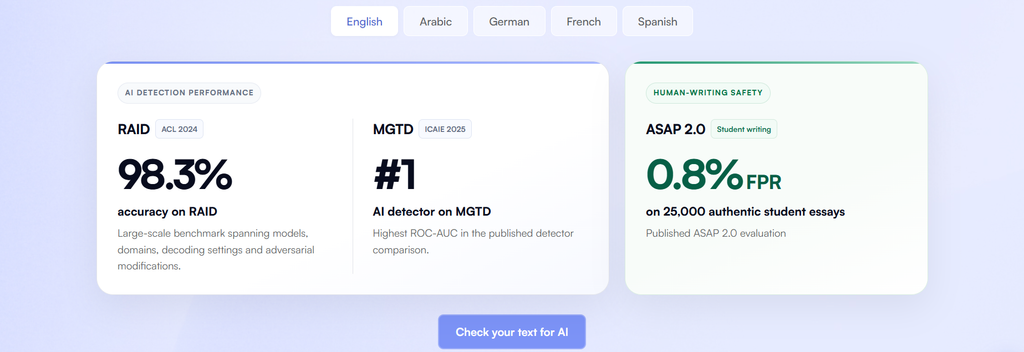
It’s AI (SN32) also reported strong English-language performance, achieving 98.3% accuracy on the RAID benchmark and ranking first on MGTD, ahead of GPTZero and Originality AI.
Together, the findings show progress in building multilingual detection tools that combine high accuracy with low false-positive rates.
Enjoyed this article? Join our newsletter
Get the latest TAO & Bittensor news straight to your inbox.
We respect your privacy. Unsubscribe anytime.
Enjoyed this article?
Join our newsletter
Get the latest TAO & Bittensor news straight to your inbox — every morning before markets open.


No comments yet — be the first.