


TAO has logged ~7 to 8 consecutive weeks of declines. Bitcoin also went through extended losing streaks early in its history, including drawdowns of around 40%.
Those Bitcoin episodes put TAO’s recent weakness in historical context, while the timing and scale of any recovery remain open questions for holders.
Bittensor has changed during this period of price weakness. Its subnets have matured, Dynamic TAO (dTAO) introduced subnet-specific ‘alpha’ tokens, and the halving reduced the rate of new TAO issuance.
Mining has also grown more competitive, raising the bar for participants seeking rewards and for subnet operators trying to attract activity.
There are several ways to build exposure to TAO. Regular purchases through DCA (Dollar-Cost Averaging) spread entry prices over time.
Mining offers a route through work on individual subnets, with earnings depending on performance and competition.
Trading alpha introduces exposure to subnet token prices, which can move sharply against TAO and reduce holdings when converted back.
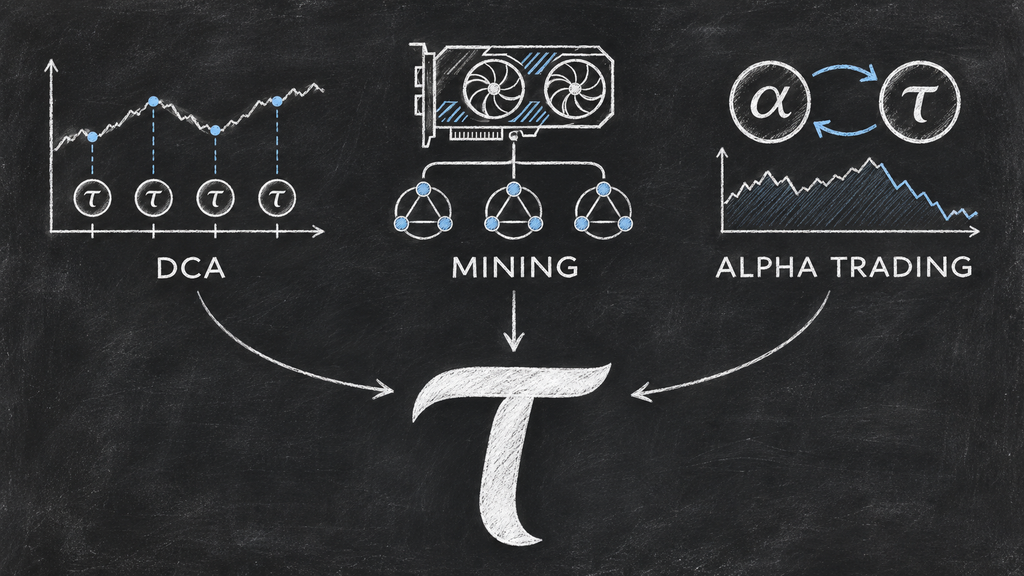
One reported account increased its TAO holdings by 70% over twelve months through alpha trading. Other accounts reportedly doubled or tripled their holdings sooner after Dynamic TAO launched.
These examples describe individual outcomes measured in TAO, with results shaped by the tokens traded, the timing of entries, and available liquidity.
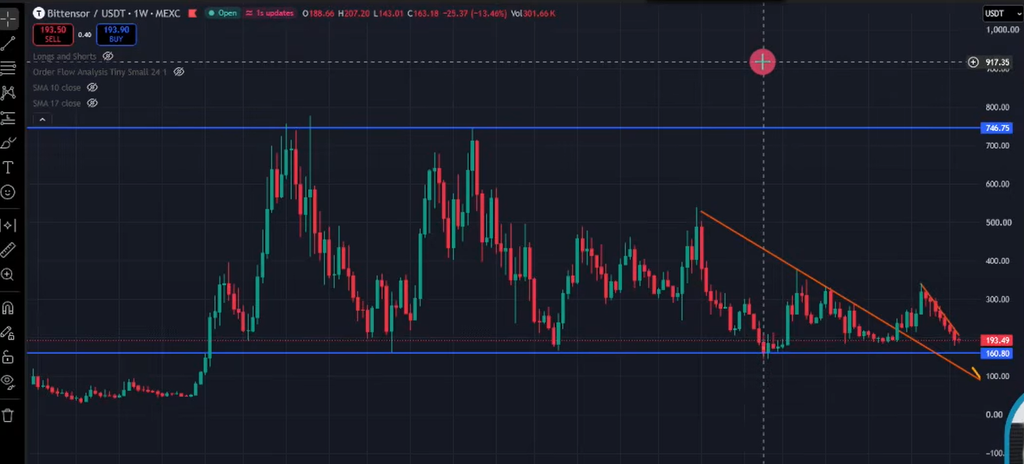
Across the cited $150 to $700 range, the long-term case depends on what Bittensor’s subnets produce and whether users keep coming back.
Lower issuance via halving changes the supply trajectory. Sustained usage and revenue would offer a way to judge how much economic value the network generates as competition among its subnets increases.
Enjoyed this article? Join our newsletter
Get the latest TAO & Bittensor news straight to your inbox.
We respect your privacy. Unsubscribe anytime.
Enjoyed this article?
Join our newsletter
Get the latest TAO & Bittensor news straight to your inbox — every morning before markets open.



No comments yet — be the first.