
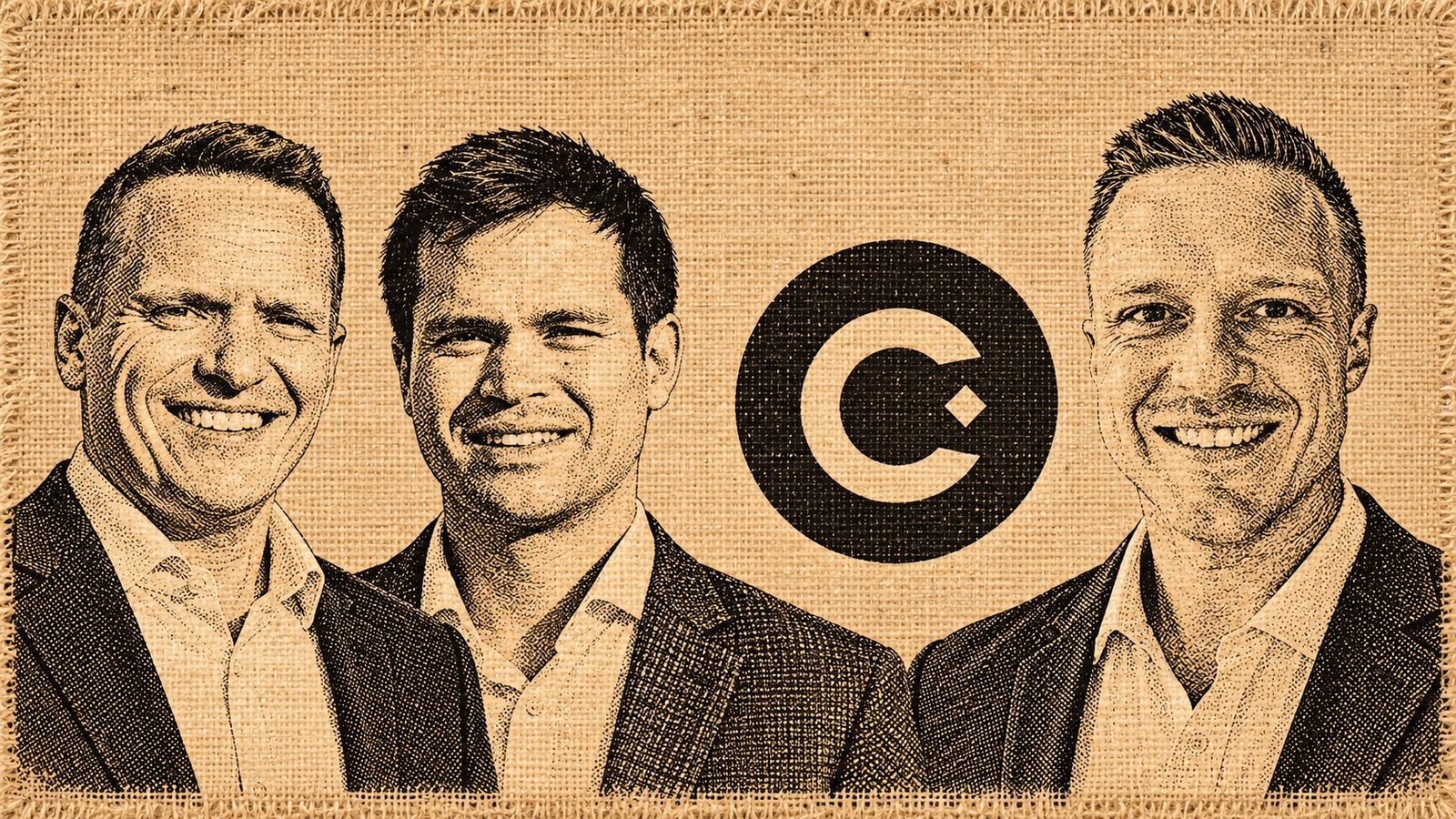
Carbon (SN116) has already explained the idea behind the subnet. Miners build specialized physics AI models, validators test whether engineers can trust them, and the strongest models could eventually replace some of the expensive simulation work used to design physical products.
The TAO Daily recently covered that model in detail, including Carbon’s commercial ambitions and plans for alpha buybacks.
Ryan Bequette’s recent conversation with DSV Fund’s Mark Creaser and Siam Kidd was more interesting for what came next.
Carbon is now thinking through how those models become something an engineering company will pay for, who its first customers should be, and how far the business could eventually move beyond simply supplying AI models.
The First Challenges Are Really a Test of the Product
Carbon plans to begin with four or five engineering challenges, but Ryan made clear that these are not just competitions for finding the highest-scoring model.
The team is designing each challenge as if a real customer had arrived with a specific engineering problem. Miners will try to produce the best model for that task, while Carbon’s validation process will test whether the model is accurate enough, where it fails, and whether it can be packaged into something an engineer could confidently use.
Carbon Already Has an Idea of Who the First Customers Should Be
Carbon is not planning to start by walking into Boeing or the US Department of Defense.
Ryan said the more realistic first customers are smaller engineering teams of roughly 10 to 50 people working on specialized problems such as cooling systems. These companies may already want to use physics AI but lack the people or time required to integrate it themselves.
Carbon has already started testing that demand. Ryan said he has been reaching out to engineering teams directly on LinkedIn, asking whether they would be interested if Carbon could demonstrate that the technology works for their particular problem.
The response so far has been encouraging, although he was equally clear that Carbon still needs the proof generated by its first challenges before those conversations can become serious commercial engagements.
If those early challenges perform as expected, Ryan believes Carbon could be in a position to pursue paying customers within months.
Carbon Is Also Figuring Out What Customers Will Buy
The team also clarified what Carbon intends to sell. A customer would not necessarily pay Carbon to redesign a compressor, wing or cooling system directly.
At least initially, Carbon would deliver a specialized physics model that replaces or accelerates the expensive simulation step inside the customer’s existing design process. Engineers can then test far more versions of a design because each performance prediction takes much less time.
Carbon is also thinking carefully about IP. Ryan said paid customers would control the model developed for them and have the right to use it, while miners may receive their scores and performance feedback without necessarily receiving the winning model’s weights.
Pricing is still being worked out. Carbon wants the first challenges to help establish how much it actually costs the subnet to produce a useful model.
Ryan compared similar bespoke technical work with services that can run from the mid-five figures into low-six figures, but said Carbon will likely have to determine pricing customer by customer in the beginning.
What to Watch Now
Carbon needs its first challenges to produce models that are good enough to put in front of engineers. It needs those early conversations to turn into customer projects. And it needs to prove that the combination of miner competition and strict validation can create something companies will trust with real engineering work.
If it can do that, the opportunity may expand beyond selling bespoke physics models. Carbon is already thinking about reusable products for common engineering problems, its own design software and, potentially, a much more complete AI-assisted engineering service.
➛ Watch the full conversation with Ryan Bequette, Mark Creaser and Siam Kidd below:
Enjoyed this article? Join our newsletter
Get the latest TAO & Bittensor news straight to your inbox.
We respect your privacy. Unsubscribe anytime.
Enjoyed this article?
Join our newsletter
Get the latest TAO & Bittensor news straight to your inbox — every morning before markets open.
No comments yet — be the first.