

NOTE: Full article by Keik and full credit goes to him.
You just discovered Bittensor $TAO and now you’re drowning in tabs, Discord channels, and crypto jargon you’ve never seen before. Sound familiar? You’re not alone. Every single person in this ecosystem has been exactly where you are right now. Here’s the good news: I’m about to hand you the exact roadmap I wish someone gave me on day one.
Bittensor is a decentralized AI network. Think of it as an open marketplace where anyone in the world can contribute intelligence and get paid for it. Instead of one big company like OpenAI controlling everything, Bittensor splits the work across “subnets.” Each subnet is its own mini-competition focused on a specific AI task, from coding to data collection to language models. Contributors called “miners” do the work. “Validators” check the quality. And the whole thing runs on a token called TAO.
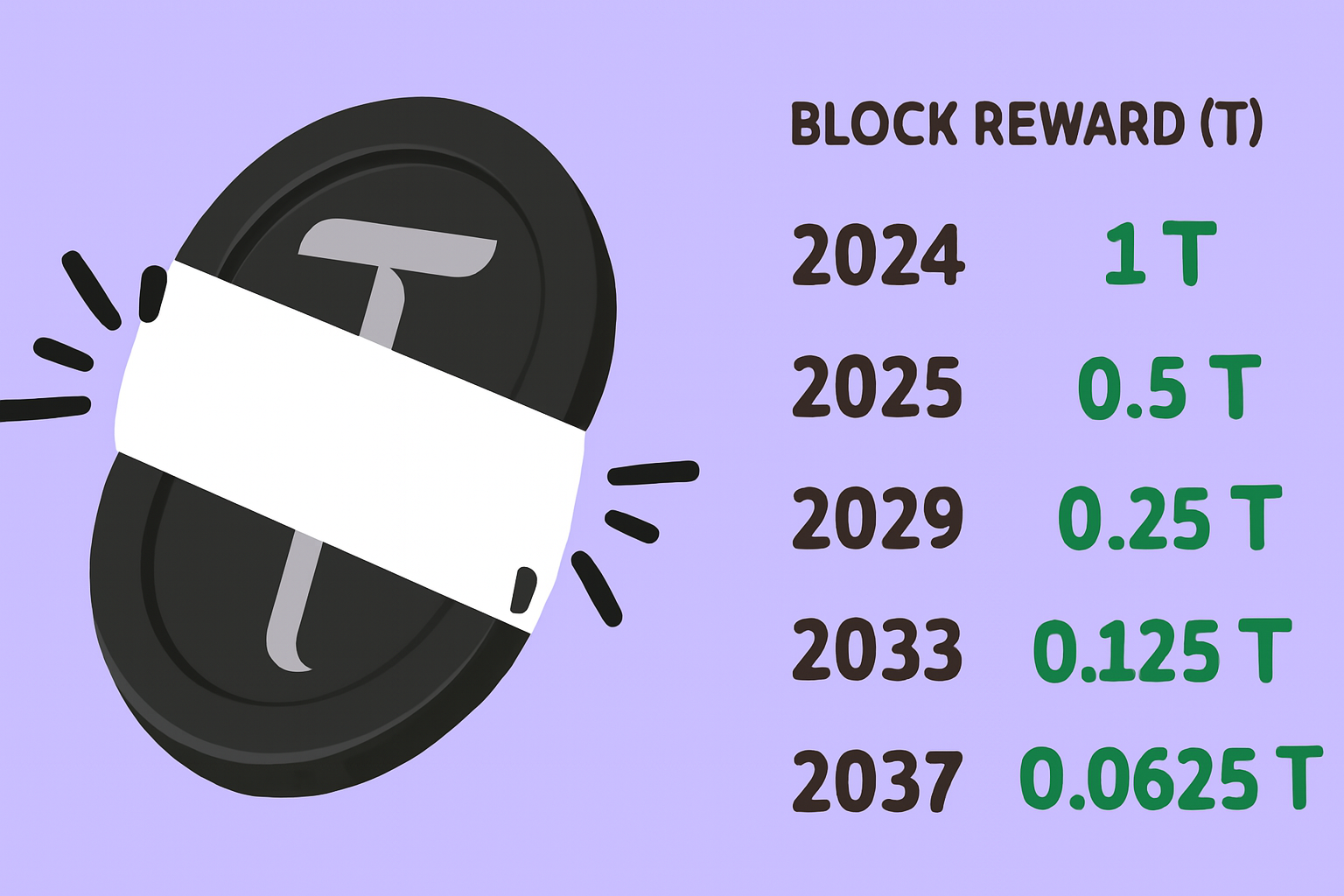
The network has grown up to 128 active subnets. It went through its first halving in December 2025, cutting new TAO creation in half, just like bitcoin does. Big players like Grayscale and institutional funds are now paying attention. This is not some obscure experiment anymore. It’s building into real infrastructure.
But here’s the problem: the ecosystem is scattered across dozens of websites, tools, and communities. No one hands you a map when you walk in the door.
Until now. Bookmark this article. You’ll come back to it more than once.
🏠 Start Here: The Official Home Base
Before you go anywhere else, visit these first.
Bittensor.com (https://bittensor.com) — This is the official website. It gives you the big picture: what Bittensor is, how it works, and links to wallets and documentation. If someone asks you “what is Bittensor?”, send them here.
Bittensor Developer Docs (https://docs.bittensor.com) — The official documentation maintained by the Opentensor Foundation. This is the textbook. It covers everything from basic concepts to step-by-step guides for mining, validating, staking, and building subnets. If you want to understand how the network actually works under the hood, this is where you go. The docs recently moved to also be hosted at docs.learnbittensor.org with the same content.
Bittensor Whitepaper (https://bittensor.com/whitepaper) — The original blueprint. It’s more technical, but if you want to understand the “why” behind the design — why subnets compete, why TAO flows the way it does — this is the source.
OpenTensor GitHub (https://github.com/opentensor) — The open-source code that powers the entire network. The main repositories include bittensor (the Python SDK for building on the network) and subtensor (the blockchain layer itself). You don’t need to read code on day one, but know that everything here is open and transparent. That matters.
📊 Network Dashboards & Analytics — Where Experienced Participants Check Daily
These tools give you real-time data on what’s happening across the network. Once you understand the basics, these become your daily drivers.
Taostats.io (https://taostats.io) & Tao.app (https://tao.app) — These are the two essential platforms for Bittensor, and they cover almost everything you need.
@taostats is a full block explorer and analytics platform, subnet performance, validator and miner data, emissions tracking, staking yields, and overall network health. It’s also where you can stake your TAO directly, compare validators, and check real-time returns across subnets. Experienced participants have Taostats open in a tab at all times. Start with the “Subnets” page to see all 128+ subnets ranked by emissions and registration date, then hit the “Yield” page to compare staking returns.
@taoapp_ complements this by letting you browse subnet details and team info, discover new AI projects building on the network, and trade subnet alpha tokens. The official docs point to Tao.app for browsing validator and subnet listings. Together, these two platforms cover monitoring, staking, and trading, your command center for everything happening on-chain. There’s also a mobile wallet app (TAO.com) on iOS that evolved from the original Opentensor Foundation wallet, letting you stake, trade subnet tokens, and manage your portfolio on the go with built-in MEV protection
TaoMarketCap (https://taomarketcap.com) — Think of this as CoinMarketCap, but specifically for the Bittensor internal economy. It tracks market data and capitalization for TAO and the entire subnet token ecosystem. Since the launch of Dynamic TAO (dTAO) in February 2025, every subnet now has its own “alpha” token. That means there’s a whole internal market to track. @tao_market_cap helps you see which subnets are valued highest, where money is flowing, and how the overall ecosystem market cap is moving. If you’re interested in the investment side of Bittensor, this is essential.
TaoFlows (https://taoflows.app) — This tool visualizes how TAO actually moves across the network. Emissions, staking, value transfer between subnets, it’s all mapped out visually. Understanding flows is critical in Bittensor because since the dTAO upgrade, subnets earn emissions based on net TAO staking flows (staking minus unstaking). Subnets attracting more stake get higher emissions. Subnets losing stake get less. TaoFlows helps you see this dynamic in action, so you understand where the network’s energy is going. It turns abstract tokenomics into something you can actually see, thanks to DrocksAlex2
Talisman Analytics (https://ai.talisman.xyz/analytics?netuid=64) — This tool tracks the social signals around Bittensor subnets. It shows you the impact that specific X posts, Telegram messages, and other social media activity have on subnet performance and token movements. In a fast-moving ecosystem where a single tweet from a subnet founder can shift staking flows, this kind of signal tracking is incredibly valuable. It helps you connect the dots between what people are saying and what’s actually happening on-chain. For newcomers, it’s a great way to learn which voices and channels actually move the needle in specific subnets and which ones are just noise. Thanks to TeamRizzoAI and Talisman
SubnetSynergies (https://www.subnetsynergies.com) — One of the most underrated resources for newcomers. SubnetSynergies helps you understand how different subnets interact with and complement each other. Bittensor isn’t just 128 isolated projects but many subnets rely on each other. For example, compute subnets like Chutes (SN64) provide infrastructure that other AI subnets use. Storage subnets support data-heavy applications. SubnetSynergies maps these relationships so you can see the bigger picture of how the ecosystem fits together. If you’re trying to figure out “which subnets actually matter and why,” don’t skip this one.
CrunchDAO Subnet Mining (https://subnet-mining.crunchdao.com) — If you’re curious about mining on Bittensor, this is your starting point. Crunch DAO tracks and compares mining opportunities across subnets. You can see which subnets are active, what mining looks like in practice, what hardware is needed, and where the best opportunities exist. Mining in Bittensor isn’t like traditional crypto mining. Each subnet has its own requirements, its own tasks, and its own rewards. CrunchDAO breaks all of this down so you can make informed decisions before committing any resources. Essential for aspiring miners who want to compare opportunities before diving in.
💬 Community — Where the Real Learning Happens
Tools and dashboards are great, but the people in this ecosystem are what make it special.
Official Bittensor Discord — Join this first. This is the primary community hub for the entire ecosystem. You’ll find real-time discussions, official announcements, technical support channels, and direct access to subnet teams and developers. There are channels dedicated to individual subnets, general discussion, staking help, and developer support. When something big happens in Bittensor, Discord is where the news breaks first. If you have a question about anything — how staking works, what a specific subnet does, how to set up a miner — ask in Discord. The community is one of the most active and welcoming in all of crypto. This is not optional. This is where you learn the things that aren’t written down anywhere else.
X (Twitter) — Bittensor’s second home. Key accounts to follow:
- @opentensor — The official Opentensor Foundation account. Protocol updates, subnet milestones, and major announcements land here first.
- @KeithSingery — Host of the Bittensor Guru podcast. Keith is a validator, a Discord moderator, and one of the most consistent voices covering the ecosystem. His posts and podcast episodes are packed with insider insight.
- @const_reborn — Const, co-founder of Bittensor. When he posts, the ecosystem listens. Follow for direct insight into protocol direction and vision straight from the source.
- @DistStateAndMe Founder of Templar, one of the most innovative subnets in the ecosystem. Great follow for understanding how subnet builders think and operate.
- @YumaGroup Yuma is a major subnet accelerator and validator led by Barry Silbert. They published the first “State of Bittensor” report and are a driving force behind institutional adoption. Essential follow for ecosystem-level news.
- @markjeffrey — Mark Jeffrey is a well-known voice in the Bittensor community. His content breaks down developments in an accessible way and his podcast episodes (Hash Rate) have covered major ecosystem milestones.
Pro tip: Search the hashtags #Bittensor and $TAO on X to find dozens of active community members sharing analysis, subnet reviews, and alpha. The community on X has grown significantly through 2025.
🎙️ Podcasts & Newsletters — Go Deeper
Once you’ve got the basics, these long-form resources help you really understand what’s going on.
Bittensor Guru Podcast — Hosted by Keith Singery. This is the longest-running dedicated Bittensor podcast. Keith interviews subnet founders, developers, validators, and other ecosystem builders. If you want to understand what a specific subnet actually does and why it matters, there’s probably a Bittensor Guru episode about it. Available on Spotify, Apple Podcasts, and YouTube. Keith recently joined TAO.com as Chief Evangelist and rebranded his validator to focus on subnet evaluations, so the content is becoming even more data-driven.
The TAO Pod — Hosted by James Altucher and Joseph Jacks, this is a newer podcast available on YouTube and Spotify. It comes from TAO Synergies $TAOX, the first publicly traded company focused entirely on Bittensor. The show covers ecosystem developments, interviews with leaders, and insights into staking and investment strategy.
The TAO Daily — A comprehensive media platform launched by TAO Synergies covering daily news, tutorials, interviews with subnet leaders, and ecosystem updates. Think of it as a one-stop news site for everything Bittensor.
🔧 Developer Resources — For Builders, Miners & Validators
If you want to go beyond watching and start participating technically, here’s where to begin.
Bittensor SDK — Install it from the OpenTensor GitHub repo (https://github.com/opentensor/bittensor). This Python SDK is the foundation for building anything on Bittensor — subnets, miners, validators, and tools. The installation is straightforward with a one-line bash command, and it works on Linux and macOS.
btcli (Bittensor CLI) — The command-line tool that comes with the SDK. This is how you interact directly with the blockchain — creating wallets, staking, registering on subnets, and managing your operations. The developer docs have detailed guides for every command.
Subtensor (https://github.com/opentensor/subtensor) — The blockchain layer itself, built on Substrate. If you want to run your own node or understand the chain at a deep level, this repo is where you go.
Bittensor Testnet — Before you do anything on the main network, test it first. The docs walk you through running miners and validators on testnet so you can learn without risking real TAO. The testnet is accessible at wss://test.finney.opentensor.ai:443.
Start here if you want to mine: Read the “Mining in Bittensor” section of the docs, then check CrunchDAO (https://subnet-mining.crunchdao.com) to compare subnet opportunities, then join the Discord channel for the subnet you’re interested in.
🧭 Practical Navigation Tips
Here are some things I wish someone told me on day one:
Start with Discord and the docs. Before you buy any TAO, before you try to stake, before you even look at subnet tokens — spend a few days reading and lurking. The learning curve is real, but it flattens fast once the core concepts click.
Taostats.io is your daily habit. Once you’re involved in the ecosystem, checking Taostats becomes like checking the weather. Emissions data, subnet rankings, validator performance — it’s all updated in real time.
Don’t skip the dTAO concept. Dynamic TAO changed everything in February 2025. Before dTAO, the only way to participate was through TAO itself. Now each subnet has its own alpha token, and staking decisions directly influence which subnets earn emissions. Understanding this is the key to understanding modern Bittensor.
The halving matters. In December 2025, daily TAO emissions were cut from 7,200 to 3,600. This means every unit of TAO earned is now harder to get. It changes the math for miners, validators, and stakers. Keep this in mind when evaluating opportunities.
Use TaoFlows and SubnetSynergies together. TaoFlows shows you where value is moving right now. SubnetSynergies shows you why and which subnets depend on each other. Together, they give you the most complete picture of the ecosystem’s health.
Follow the builders, not the hype. The best alpha in Bittensor comes from understanding which subnets are actually producing useful AI, not which ones had the biggest price pump. The ecosystem is growing fast, with real products and services being built across subnets every day. Focus on the fundamentals.
Final Thought
Bittensor is building something that didn’t exist before: an open, incentivized network where anyone can contribute to and benefit from artificial intelligence. The ecosystem is complex because the problem it’s solving is complex. But with the right map, you don’t need to be a developer or a crypto veteran to find your way.
You just got that map.
Save this article. Share it with someone who just asked you “what is Bittensor?” Come back to it when you need a refresher on where to find what.
And if you found this useful, follow for more breakdowns of the Bittensor ecosystem. The rabbit hole goes deep. But now you know exactly where to start digging.
This article was written for educational purposes. Always do your own research before making any financial decisions. The Bittensor ecosystem evolves rapidly, verify links and information as the network continues to grow.
Enjoyed this article? Join our newsletter
Get the latest Bittensor & TAO ecosystem news straight to your inbox.
We respect your privacy. Unsubscribe anytime.

Be the first to comment