

If you stake TAO on Bittensor’s Root network, you’ve probably wondered how long you actually have to wait for rewards. Bittensor says claims happen “approximately every 2 days,” but is that accurate? Taostats just published a detailed analysis answering that question with real data from over 100,000 claims.
The short answer: Most people get their rewards faster than promised, but the randomness means some wait much longer.
What Changed With Root Claims
Back in November 2025, Bittensor changed how root rewards work. Before, rewards came like clockwork every 72 minutes. Now they’re random, happening automatically whenever the system decides based on some internal lottery. Bittensor said to expect claims roughly every 48 hours on average.
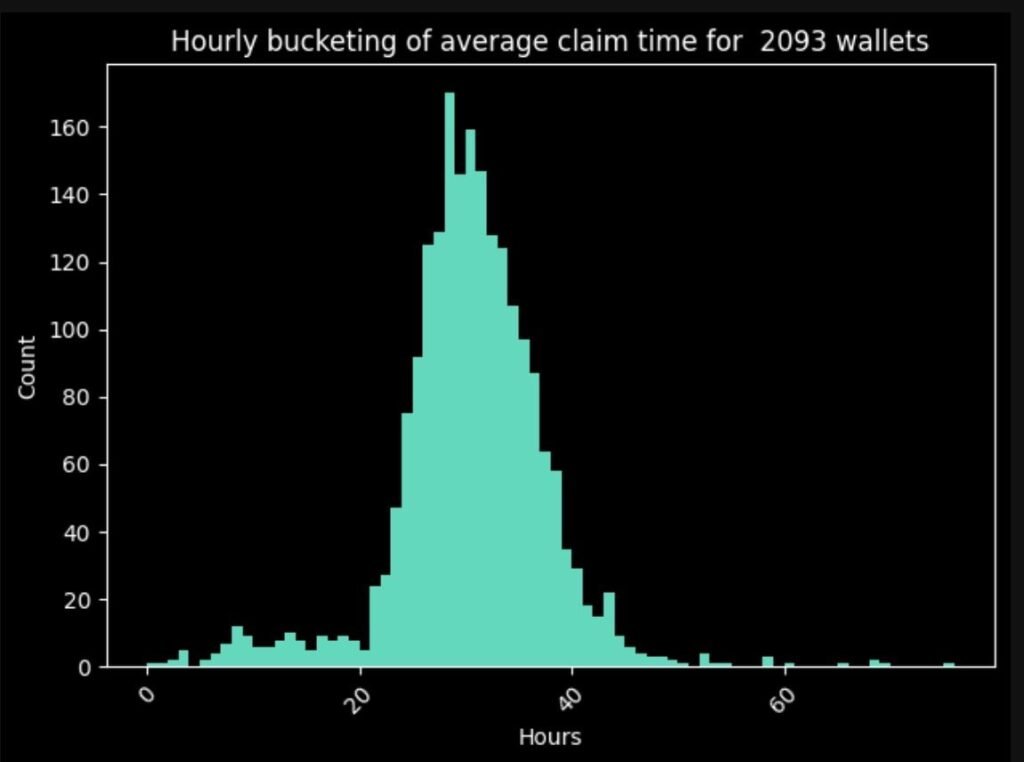
But “on average” can mean very different things in practice. Taostats decided to check what’s really happening by pulling data from 2,093 wallets and analyzing 105,771 individual claims.
What The Data Actually Shows
The most important finding: average claim times are actually faster than promised. Most wallets see average times between 20 to 50 hours, with many clustered around 30 hours. That’s better than the 48-hour estimate Bittensor gave.
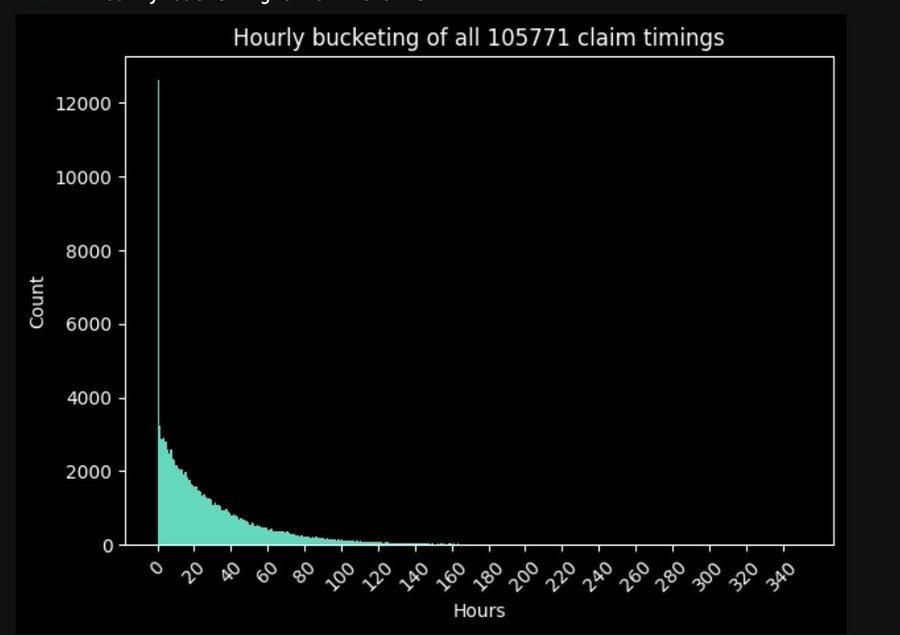
But here’s where it gets interesting. While the average is good, the actual experience varies wildly. Nearly every wallet has had super-fast claims, under 2 hours apart, sometimes just minutes. The fastest claim in the dataset happened just 12 seconds after the previous one.
On the flip side, nearly every wallet has also experienced long waits. Most wallets have had at least one claim that took 4 to 8 days. The longest wait in the entire dataset? Over 14 days. Someone staked TAO and didn’t get their next claim for two full weeks.
Why This Happens
The randomness comes from how the system is designed. Think of it like a lottery where your wallet gets entered constantly, and sometimes you win twice in a row, while other times you go weeks without winning. The system is designed to average out to 48 hours, but individual results scatter widely around that average.
This is what mathematicians call a “normal distribution with long tails.” Most results cluster near the middle, but there are rare extremes on both ends. You can get incredibly lucky with fast claims or incredibly unlucky with long waits.
The Wild Outlier
The article highlights one crazy example that happened right when they were collecting data. On January 8, 2026, one wallet that had quietly staked 1 TAO back in April suddenly went on a claiming spree.
In just 45 minutes, from 13:58 to 14:43, this wallet got 119 claims, many happening just one block apart. That’s essentially getting almost 120 rewards in less than an hour when you’re supposed to get one every two days.
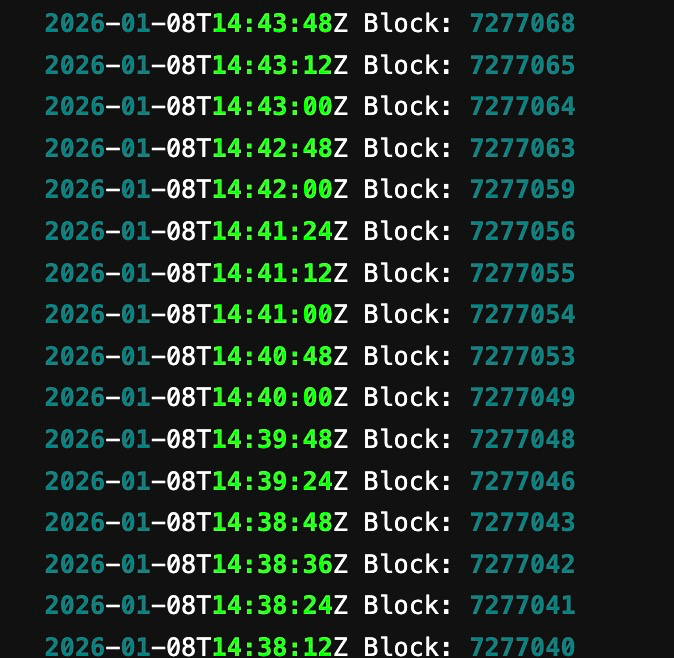
The wallet now has an average claim time of 8 hours. But the system will probably balance this out by making it wait extra long for future claims to bring the average back toward 48 hours. Lucky now, maybe unlucky later.
What This Means For You
If you’re staking on Root, here’s what to expect based on this data:
Your average wait will probably be faster than 48 hours. Most people see 20 to 30-hour averages, which is actually good news. You’ll likely have some super-fast claims. Almost everyone gets claims under 2 hours apart at some point, sometimes multiple in quick succession. You’ll definitely have some long waits. Plan for at least one 4-8 day wait in your future. It’s normal, and everyone experiences it.
Don’t panic if a claim takes a week. The longest measured wait was 14.6 days, and that’s an extreme outlier. But waits of 4-8 days happen to most people at least once.
The randomness is intentional. Bittensor designed it this way rather than having predictable times. Why? Probably to prevent gaming the system and to distribute load on the network more evenly.
How Taostats Got This Data
The analysis is possible because of an API endpoint Taostats created. You can actually check your own wallet’s claim history at docs.taostats.io. The API shows every claim for any wallet, the block number, timestamp, and whether it was automatic or manual.
Manual claims cost a small transaction fee, which is why most people just let the automatic system handle it. But if you’re in a hurry and willing to pay the fee, manual claiming is an option.
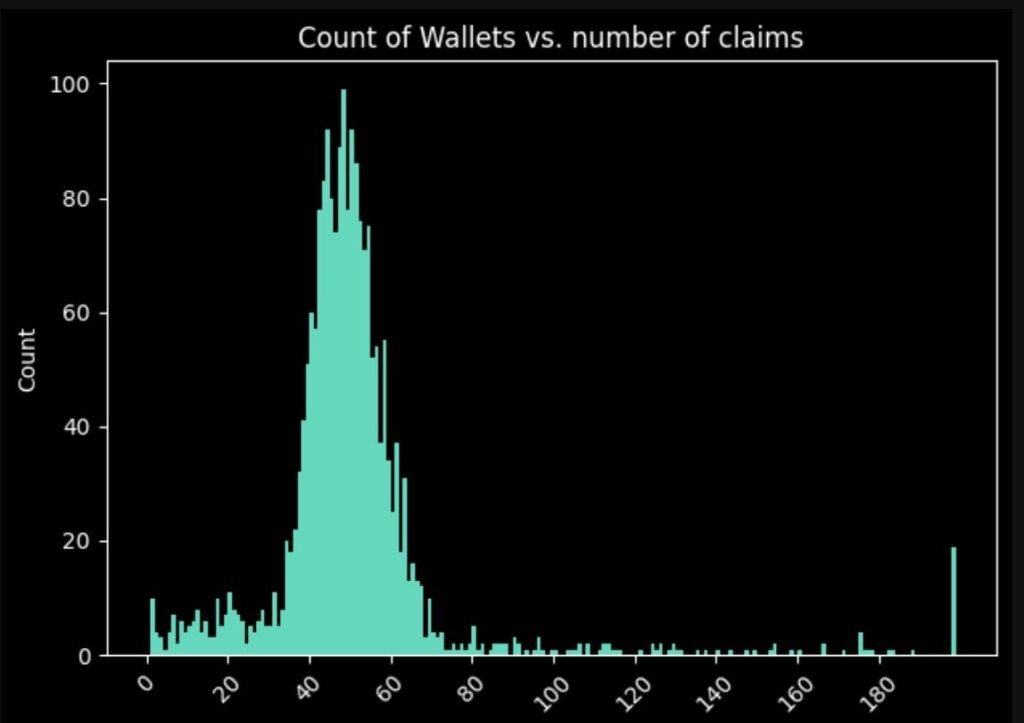
Taostats pulled data for over 2,000 wallets and calculated the time between each claim. That gave them 105,771 data points showing how long people actually wait. Most wallets in the dataset had between 30 and 75 claims recorded, giving a solid sample of behavior over time.
The Bottom Line
Bittensor’s “approximately every 2 days” description for root claims is accurate on average, but your actual experience will vary significantly. You’ll have periods where claims come fast and periods where you’re waiting longer than expected. The system is working as designed—it’s just designed to be random within an average target.
For people considering whether to stake on Root, this data shows the rewards come slightly faster than promised on average. But you need patience for the inevitable longer waits that everyone experiences. It’s not a bug; it’s a feature of how the randomness works.
Check your claims: docs.taostats.io/reference/get-root-claim-timestamps
Learn more: taostats.io
Follow: @taostats on X
Enjoyed this article? Join our newsletter
Get the latest Bittensor & TAO ecosystem news straight to your inbox.
We respect your privacy. Unsubscribe anytime.



Be the first to comment