
At the center of Bittensor ($TAO) lies the fact that rewards are not given for participation, they are earned through useful work.
Miners do not secure the network by idle computation or abstract consensus, instead, they generate real intelligence, real outputs, and real economic value that can be consumed by users, applications, and other networks. Every reward distributed is tied directly to contribution quality, meaning the system continuously prices usefulness in real time.
This creates a different kind of economy: One where earning is not based on hardware alone, but on the ability to produce something the network actually needs.
To understand this clearly, the best place to look is at what miners are doing across different subnets.
1. Vanta (Subnet 8)
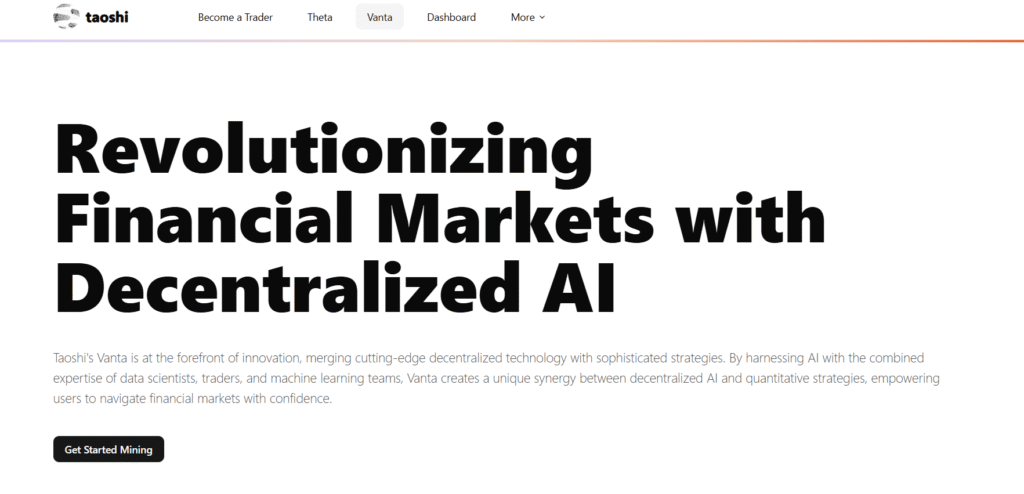
Subnet 8 miners operate as quant strategists within a decentralized trading intelligence layer:
a. Generate algorithmic or discretionary trading signals,
b. Contribute market insights across financial assets,
c. Supply signals to Taoshi’s Request Network for purchase, and
d, Continuously refine strategies to remain competitive.
2. IOTA (Subnet 9)
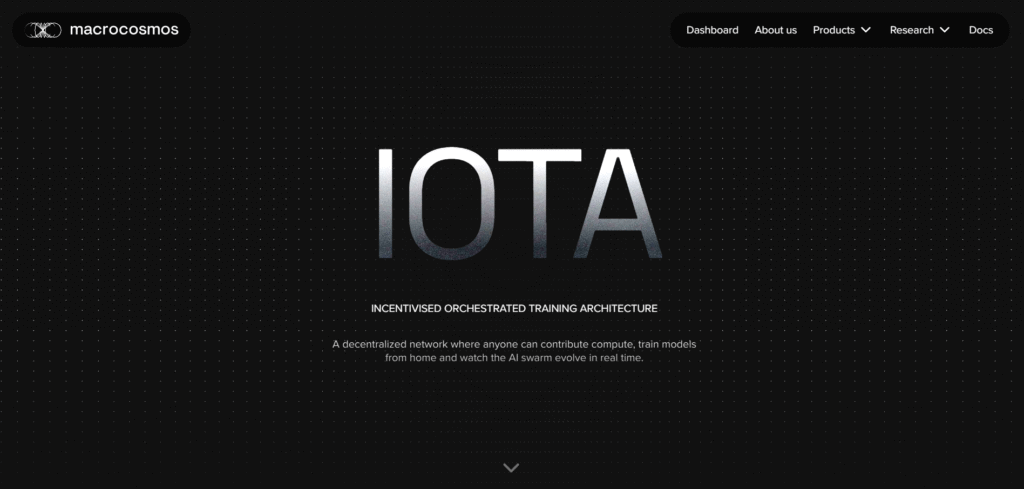
IOTA miners contribute compute toward decentralized AI model training:
a. Provide GPU, memory, and bandwidth for distributed training,
b. Train specific segments of large models using parallelism,
c. Synchronize weights with peers during merging cycles, and
d. Participate using consumer-grade hardware through Train-at-Home.
3. Trishool (Subnet 23)
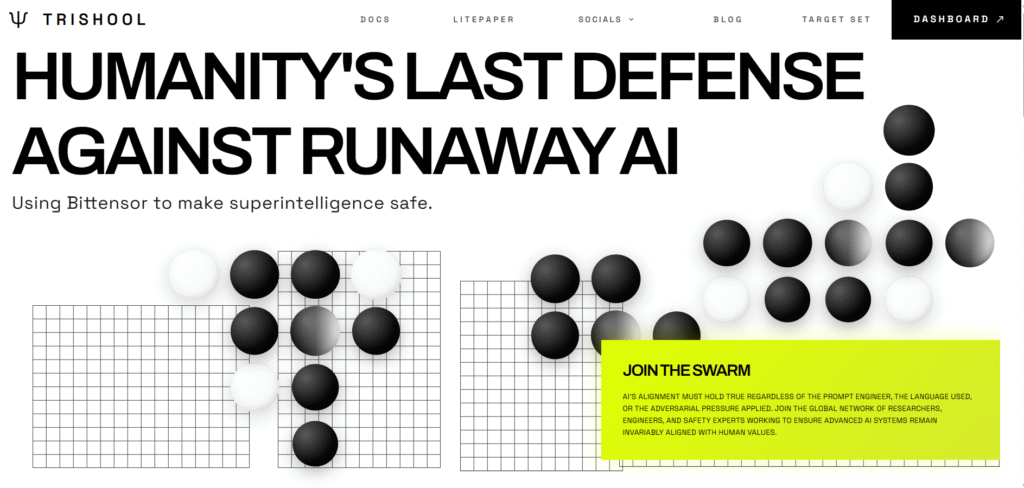
Trishool miners are structured across a triangular economy, where each role contributes to AI safety and adversarial intelligence:
a. Architects: Build foundational evaluation systems such as judge models and classifiers for precise AI testing,
b. Adversaries: Develop autonomous red-teaming agents that discover jailbreaks, failures, and zero-day vulnerabilities, and
c. Oracles: Deploy top-performing agents into real-world services, generate safety scores, and maintain evaluation leaderboards.
4. Quasar (Subnet 24)
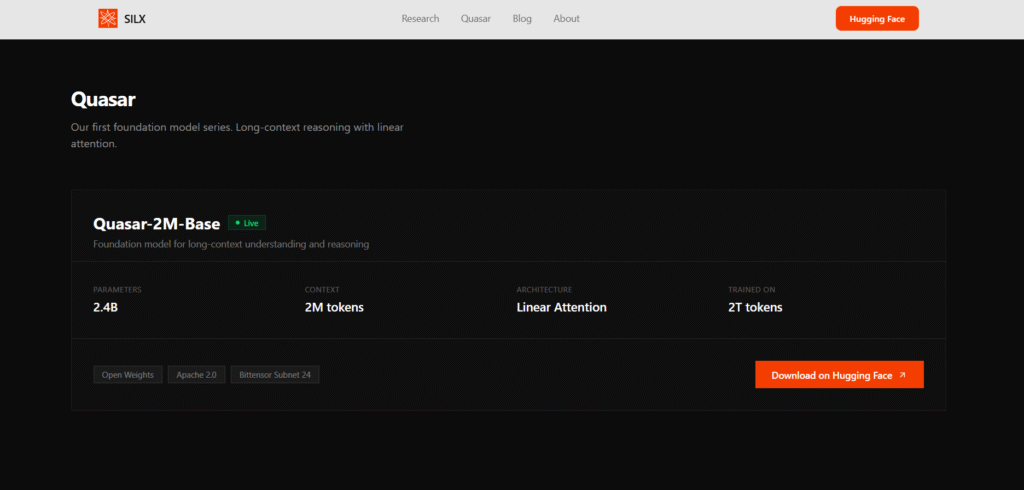
Miners on Subnet 24 specialize in long-context reasoning and high-performance inference:
a. Run long-context language models capable of handling massive inputs,
b. Process tasks involving documents and multi-source contexts,
c. Optimize for both accuracy and inference speed, and
d. Compete on benchmark-driven evaluations across real-world tasks
5. ReadyAI (Subnet 33)
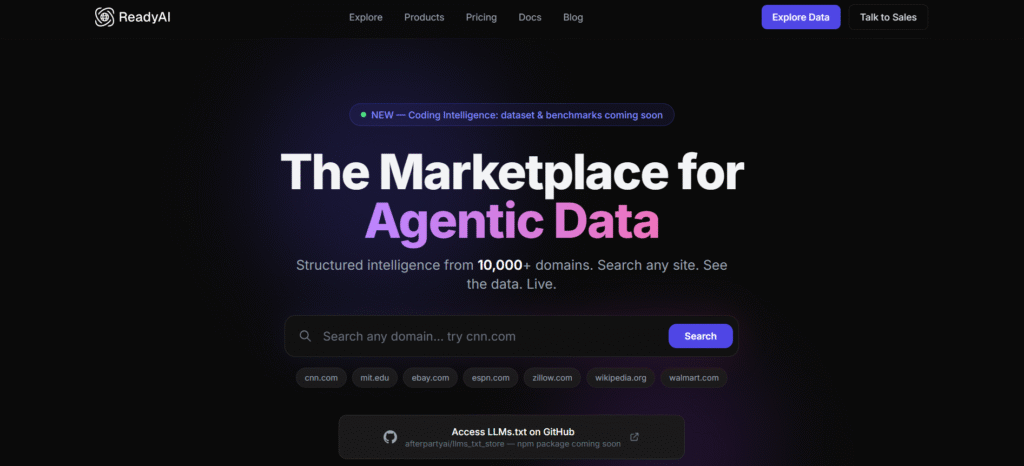
ReadyAI miners function as structured data producers:
a. Process raw conversations into tagged, structured metadata,
b. Analyze segmented “conversation windows” for granular insights,
c. Generate semantically relevant and unique data tags, and
d. Compete on accuracy against validator-defined ground truth.
6. Score (Subnet 44)

Miners on Subnet 44 perform real-time video intelligence processing:
a. Analyze video streams frame-by-frame,
b. Detect and track objects across sequences,
c. Produce standardized outputs for validation, and
d. Optimize for accuracy, consistency, and response time
7. Lium (Subnet 51)
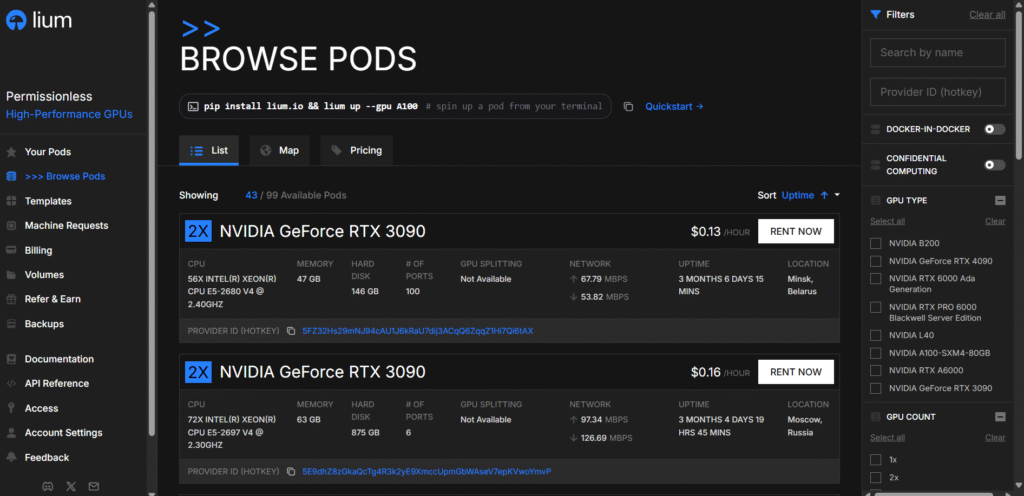
Lium miners supply high-performance compute infrastructure:
a. Provide GPU servers to the network,
b. Run benchmarking software for continuous performance scoring,
c. Maintain uptime, bandwidth, and hardware efficiency, and
d. Deliver compute resources to paying users.
8. Yanez MIID (Subnet 54)

Miners on Yanez MIID generate synthetic identity data:
a. Produce realistic identity variations and profiles,
b. Simulate documents and identity attributes,
c. Apply transformations such as transliteration and phonetics, and
d. Optimize for realism, diversity, and task accuracy.
9. NOVA (Subnet 68)

NOVA miners explore chemical space for drug discovery:
a. Search large molecular databases for viable candidates,
b. Use ML models and heuristics to predict binding strength,
c. Continuously refine submissions using oracle feedback, and
d. Compete by proposing higher-quality molecules.
10. Bitcast (Subnet 93)
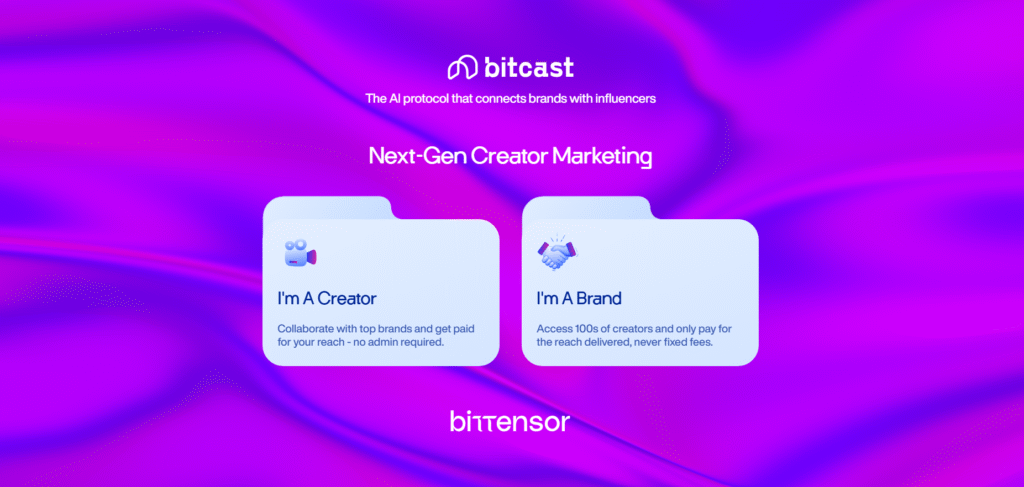
Bitcast miners act as content creators in a performance-driven media network:
a. Produce contents aligned with content briefs,
b. Publish and submit content through the platform,
c. Generate engagement through views and interactions, and
d. Earn rewards based on real audience performance.
The Core Insight
Across all these subnets, one pattern becomes clear:
a. Miners are not interchangeable,
b. Work is not abstract, and
c. Rewards are not arbitrary.
Each subnet defines a specific form of intelligence or output, and miners compete to produce it better than anyone else. Whether it is trading signals, compute power, structured data, molecules, or media content, the underlying mechanism remains consistent.
Value in Bittensor is created at the edge, by miners, and measured continuously by the network.
Closing Perspective: Where the Real Opportunity Lies
Bittensor is not just a network of machines, it is a market for intelligence. Miners earn not because they exist, but because they contribute something the network cannot ignore. The more useful, accurate, or differentiated that contribution is, the more it is rewarded.
This shifts the entire framing of mining:
a. From hardware to output quality,
b. From passive earning to active contribution, and
c. From fixed rewards to competitive intelligence markets.
The implication is straightforward but powerful: The real upside in Bittensor does not come from simply joining the network. It comes from understanding what the network values, and positioning yourself where demand is strongest.
Because in this system, the miners who earn the most are not the ones who run the most machines. They are the ones who produce the most valuable intelligence.
Enjoyed this article? Join our newsletter
Get the latest Bittensor & TAO ecosystem news straight to your inbox.
We respect your privacy. Unsubscribe anytime.


Be the first to comment