

For years, open source has made it easy to build a drone that flies.
Projects like Betaflight and INAV matured the basics with stable flight, clean firmware, and reliable control loops.
But building a drone that thinks? That has largely remained locked behind corporate walls.
Autonomous navigation, perception, real-time decision making, all wrapped in proprietary software stacks that you can purchase but never inspect.
Swarm, Bittensor Subnet 124, changes that with Langostino.
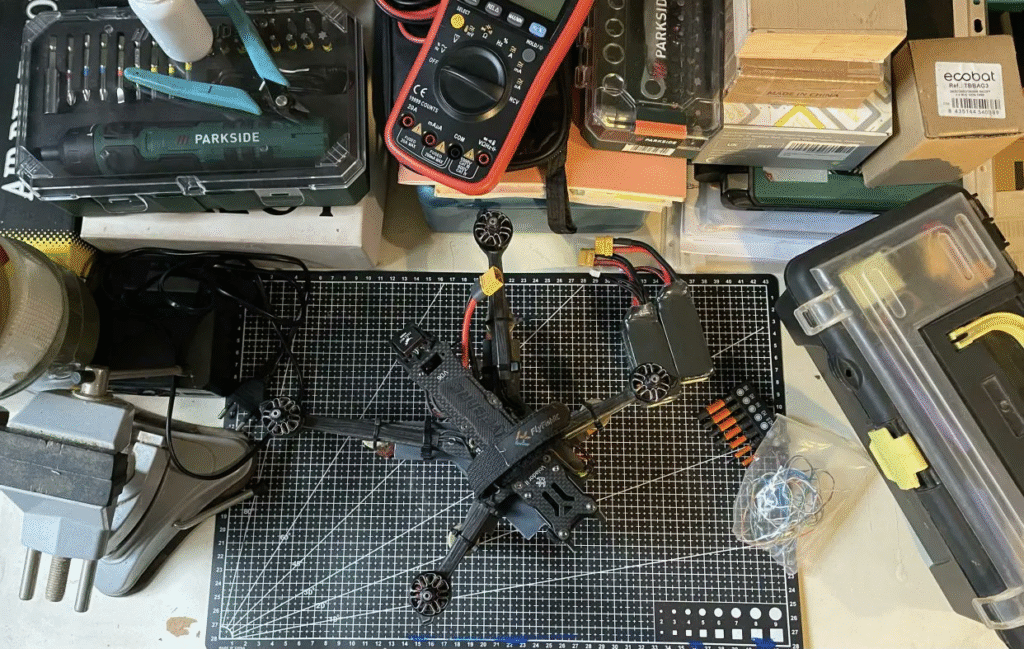
Langostino is an open-source autonomous drone powered by an AI flight policy trained by a global network of developers. The icing on the cake is that everything required to replicate it is public.
This is not a simulation demo, not even a pitch deck. It’s a real drone, running a neural network, flying on its own.
The Hardware is “Ordinary,” That is the Point
Langostino is not exotic. The build includes:
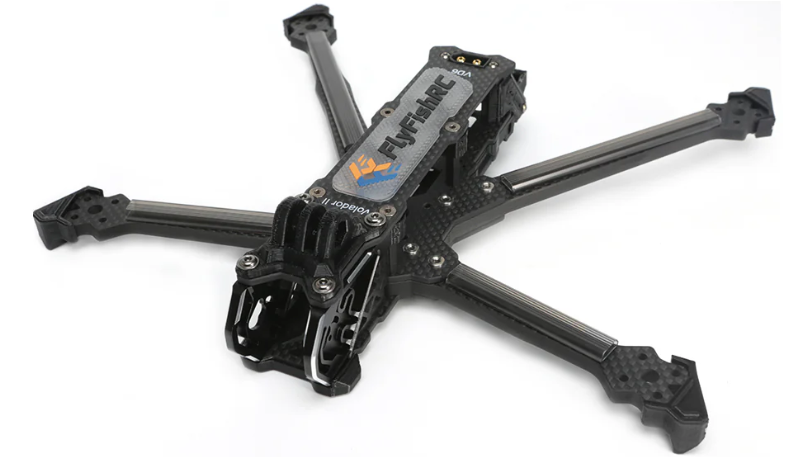
a. FlyfishRC Volador VD6 carbon fiber frame,
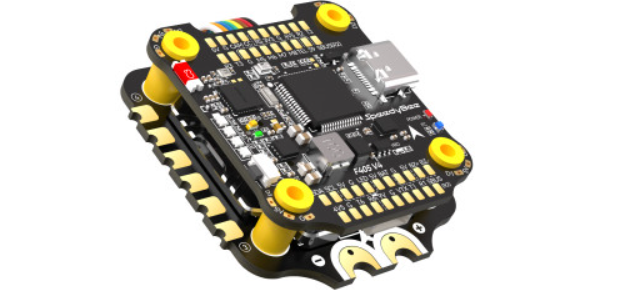
b. SpeedyBee F405 V4 flight controller,
c. iFlight Xing E Pro motors,

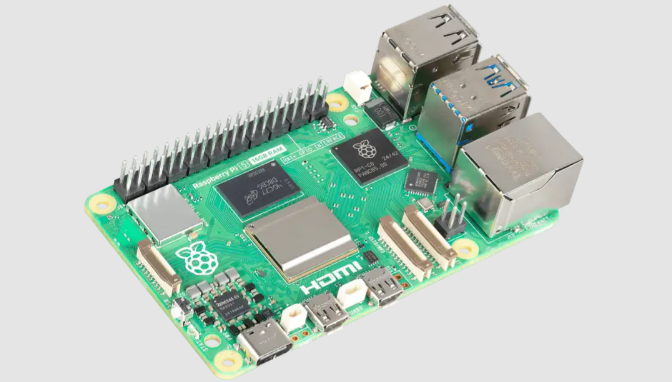
d. Raspberry Pi 5 (running ROS2 Humble),
e. Two LiDAR ToF sensors, and
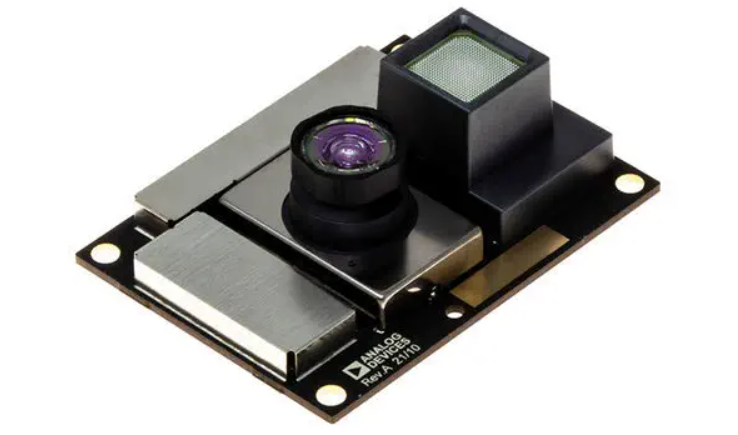
f. HGLRC M10 GPS.
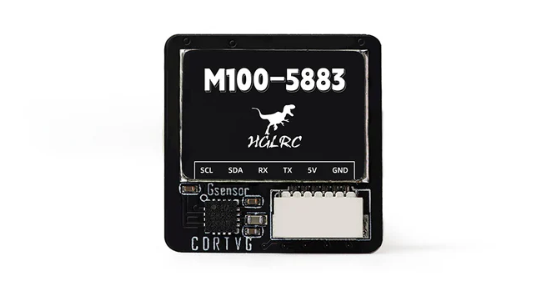
This is made of nothing custom milled, nothing proprietary. Everything can be ordered online.
The intelligence is not in the parts, it is in the architecture.
And more importantly, in the network that trained it.
The Design Decisions That Matter
Langostino was built around three core principles.
1. No Cloud Dependency: Most autonomous systems rely on cloud servers to process data or assist with inference. That creates latency, authentication bottlenecks, and single points of failure
Langostino runs entirely on board. For instance, if AWS (Amazon Web Services) goes down, it keeps flying.
All perception, inference, and control decisions happen locally.
That is not just a technical choice, it is philosophical. For Swarm’s Langostino, autonomy means autonomy.
2. A $35 Brain: The drone runs its AI model on a Raspberry Pi, and that is deliberate.
Using a cheap, globally accessible computer forces efficient models, lean engineering, and no unnecessary computation
It also removes hardware barriers so that anyone can replicate the system without specialized infrastructure.
A neural network trained by a global community runs on a device many hobbyists already own.
That accessibility is not a compromise, it is infrastructure thinking.
3. Modular Intelligence: The system is divided into seven ROS2 nodes, each handling:
a. Sensor input,
b. Data fusion,
c. AI inference,
d. Command translation,
e. Safety monitoring, and
f. Telemetry logging.
The safety node can override the AI at any moment. Flying experimental models without a safety layer would be reckless, the architecture acknowledges that.
The Most Important Part is Not the Drone
The breakthrough is not the carbon frame or the Pi, it is how the flight policy was trained.
Langostino’s neural network was developed through a decentralized competition running on PyBullet simulations and coordinated through Bittensor.
Here is how it works:
a. Developers around the world train reinforcement learning models in simulation,
b. Independent validators evaluate performance,
c. The best models earn economic rewards on-chain, and
d. Top performing policies are deployed to real hardware.
This is not a centralized lab, it is a continuous global R&D (Research and Development) cycle powered by incentives.
“A drone in physical space is being controlled by a model that emerged from decentralized competition” would have sounded speculative two years ago.
Now it is operational.
Why This Matters for Crypto
Crypto often gets trapped in abstractions: Tokens, charts, and narratives. Langostino is different.
It represents:
a. On-chain AI incentives,
b. Real-world deployment,
c. Hardware-level execution, and
d. Open-source reproducibility.
This is not AI as a chatbot, it is AI as a control system.
The model:
a. Train intelligence through decentralized competition.
b. Validate performance transparently.
c. Deploy to physical machines.
That loop transforms crypto from speculative coordination to productive coordination, and it pushes Bittensor beyond theory.
Why Open Source it All?
The team could have kept the integration knowledge private. Instead, the entire pipeline is public, including:
a. Full parts list,
b. Assembly guide,
c. Firmware configuration,
d. All ROS2 nodes,
e. AI model integration,
f. Safety documentation, and
g. 3D printable mounts.
But why?
It’s simply because open systems scale faster. When the full stack is visible, engineers can:
a. Audit the pipeline,
b. Improve it,
c. Fork it, and
d. Compete with it.
Closed systems stagnate, open systems compound, and Langostino is version one.
If it stays closed, improvement depends on one team, but now that it is open, improvement depends on the world.
From Simulation to Reality
The hardest problem in robotics is not simulation, it is from simulation to real transfer.
Models that perform perfectly in virtual physics engines often fail when exposed to real wind, vibration, and imperfect sensors.
Langostino proves that decentralized reinforcement learning can cross that gap.
A globally trained policy is controlling motors, interpreting LiDAR (Light Detection and Ranging) data, and navigating physical space? This is a structural milestone.
It shows that:
a. Decentralized AI can produce deployable intelligence,
b. On-chain incentives can coordinate real engineering outcomes, and
c. Open-source robotics and crypto aligned networks can merge.
The Bigger Implication
Langostino is not just a drone project, it is a prototype for something larger.
Imagine:
a. Autonomous robots trained by global competitions,
b. Industrial machines optimized by decentralized networks,
c. Vehicles powered by collectively trained policies, and
d. Edge AI operating without corporate gatekeepers.
Intelligence becomes infrastructure, and infrastructure becomes permissionless.
The real story here is not that a drone can fly autonomously, it is that the intelligence controlling it did not come from a single lab.
It emerged from a network.
Final Thoughts
Crypto promised decentralized coordination, AI promised machine intelligence, but Langostino shows what happens when those promises intersect.
A neural network trained by distributed developers, validated by independent actors, deployed onto a $35 computer, and controlling a real machine in the physical world.Not a token, not a meme, but A DRONE! And perhaps a preview of what decentralized AI actually looks like when it leaves the browser and enters reality.
Enjoyed this article? Join our newsletter
Get the latest Bittensor & TAO ecosystem news straight to your inbox.
We respect your privacy. Unsubscribe anytime.
Be the first to comment