

Artificial intelligence is often framed as a race between a handful of powerful technology companies. The narrative usually revolves around massive data centers, proprietary models, and billions of dollars poured into research.
Yet alongside that familiar story, another movement is quietly emerging. Instead of concentrating intelligence inside corporate walls, decentralized AI networks are experimenting with a different structure altogether. In these systems, machine learning models compete, collaborate, and are rewarded through open incentive mechanisms.
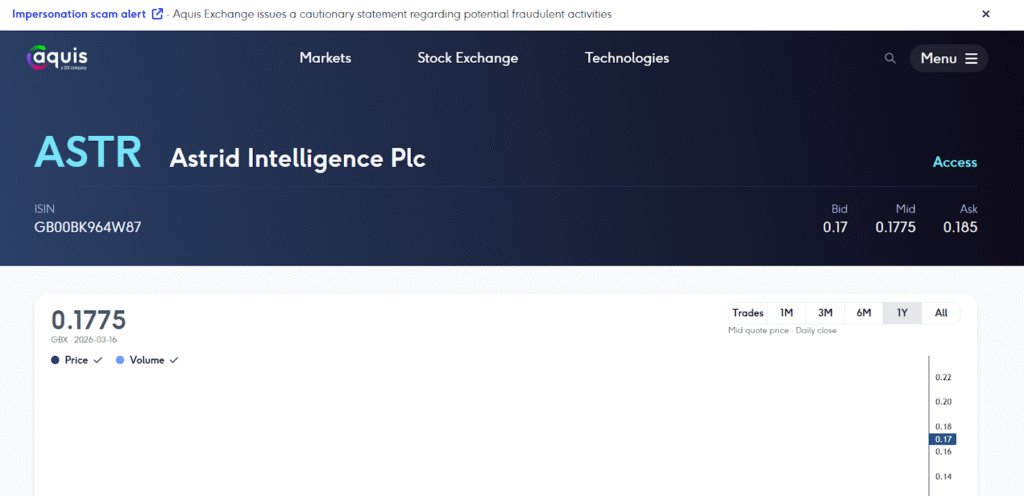
One company positioning itself inside this evolving landscape is Astrid Intelligence PLC, a publicly-traded firm listed on the Aquis Stock Exchange under the ticker $ASTR.
Rather than building a single AI product, Astrid is taking a broader view. The company is working to build infrastructure and invest across the decentralized AI ecosystem, particularly around Bittensor ($TAO), a rapidly expanding network for machine intelligence.
In a conversation on The Watchlist with Ricki Lee, Chairman Mark Creaser and CEO Siam Kidd explained how Astrid Intelligence sees the future of decentralized AI and how the company plans to create value within it.
AI Investment First, Crypto Infrastructure Second
One of the first questions raised during the discussion addressed a common misconception: Is Astrid an AI investment company, or simply another crypto play?
To Mark, the answer is that Astrid’s investments are focused squarely on AI businesses, not speculative digital assets.
The confusion arises because the financial infrastructure that powers many decentralized AI networks happens to rely on blockchain technology.
As AI agents become more capable, they will likely begin interacting economically with other systems. But machines cannot easily open bank accounts or carry debit cards. Instead, they will need programmable financial rails that allow them to transact automatically.
That is where blockchain becomes relevant.
In this context, crypto functions less as an investment narrative and more as the transactional infrastructure for machine economies.
Understanding the Bittensor Ecosystem
A major part of Astrid’s focus lies within Bittensor ($TAO), a decentralized network designed to coordinate machine learning systems through economic incentives.
Explaining Bittensor can be difficult, as Siam Kidd noted during the interview. The concept is somewhat similar to trying to describe the internet in its earliest days.
To simplify the idea, he offered a useful comparison, and an analogy everyone in the “internet-age” can relate with; “Think about Alphabet Inc., the technology holding company behind platforms such as Google, YouTube, and DeepMind. Alphabet acts as an umbrella organization overseeing many technology projects. Investors who want exposure to that ecosystem simply buy Alphabet stock.”
Bittensor, he opined, works in a similar structural way, but instead of subsidiaries, the ecosystem is composed of independent AI subnets.
Each subnet operates like a specialized AI startup working on a particular challenge. While some focus on language models, others on coding agents, data processing, or machine learning research.
The value capture mechanism for the entire ecosystem is the $TAO token, which acts as the network’s economic layer.
Currently, the network hosts over 120 individual AI projects, all contributing different capabilities to the broader decentralized intelligence system.
How Astrid Creates Value
Astrid Intelligence has been operating within the Bittensor ecosystem for more than a year, building relationships and identifying opportunities across the network.
According to Creaser, the company’s goal is to develop Astrid into an operating business that can generate value from multiple layers of the ecosystem.
Its strategy revolves around three core areas.
1. Infrastructure Development: Astrid is actively building and acquiring infrastructure within the decentralized AI ecosystem.
This includes operating validator nodes and other technical systems that help maintain network performance and security.
2. Strategic Investments: The company is also investing directly into AI startups developing within the Bittensor ecosystem. By backing promising projects early, Astrid gains exposure to the growth of emerging machine intelligence ventures.
A very good example is when Astrid increases its Score (Subnet 44) Position to 3,180 $TAO.
3. Ecosystem Participation: Astrid is not simply observing the network from the sidelines. Through its infrastructure and partnerships, the company remains actively involved in the development of the ecosystem.
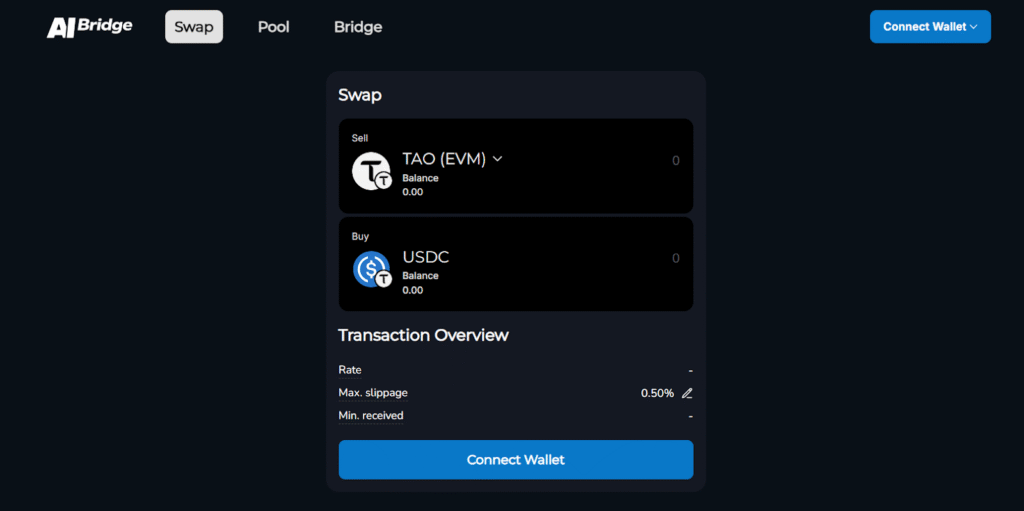
Recently, Astrid had acquired Subnet 10 from TaoFi and rebranded it to Astrid Bridge.
This hands-on participation provides insight into where innovation is happening and where future opportunities may emerge.
A Parallel to the Early Internet
To illustrate Astrid’s positioning, Siam Kidd pointed to a familiar historical example. During the early days of the internet boom in the late 1990s and early 2000s, some of the most valuable companies were not necessarily the websites people interacted with daily.
Instead, many of the long-term winners were the businesses building the underlying infrastructure that allowed the internet to scale.
These included companies responsible for data centers, fiber-optic networks, server infrastructure, and internet backbone systems
Astrid believes decentralized AI may follow a similar pattern. Rather than focusing solely on applications built on top of the network, the company is working to help construct the roads and railways that allow decentralized machine intelligence to grow.
The Growth Potential of Decentralized AI
Centralized AI platforms have already experienced remarkable growth, but decentralized AI could represent a new phase in how machine intelligence evolves.
Siam noted that while centralized AI is expanding quickly, decentralized AI may eventually grow even faster as open networks attract developers, researchers, and startups from around the world.
Instead of innovation happening inside a few large organizations, decentralized systems allow thousands of participants to experiment simultaneously.
If that dynamic takes hold, ecosystems like Bittensor could evolve into global collaborative intelligence networks.
Positioning Early in an Emerging Industry
For Astrid Intelligence PLC, the strategy is rooted in early positioning. The decentralized AI economy is still young, complex, and rapidly changing. Many projects may fail, while others could become foundational technologies in the future.
Astrid’s approach is not about predicting which single AI model will dominate the industry.
Instead, the company is positioning itself within the ecosystem where innovation is unfolding, building infrastructure, investing in emerging projects, and participating directly in the network.
If decentralized AI continues to gain momentum, the companies laying the groundwork today may ultimately shape the architecture of tomorrow’s machine intelligence economy.
Enjoyed this article? Join our newsletter
Get the latest Bittensor & TAO ecosystem news straight to your inbox.
We respect your privacy. Unsubscribe anytime.



Be the first to comment