
When infrastructure works, you rarely notice it, you just feel the speed.
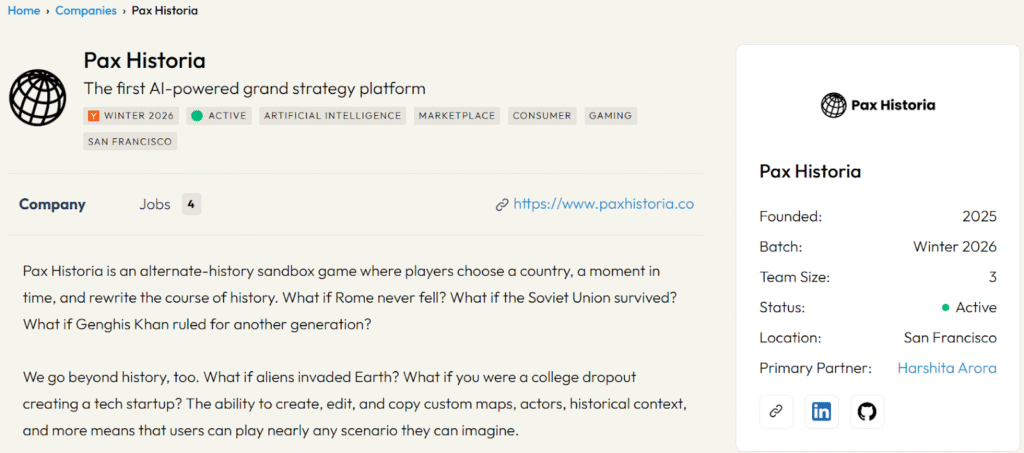
That is exactly what is happening behind the scenes at Pax Historia, a Y Combinator-backed alternate history sandbox game that has quietly scaled to more than 35,000 daily active users.
Powering the entire Patron tier of Pax Historia is Chutes, a decentralized AI inference platform built on Bittensor.
This integration is more than a partnership. It is a live demonstration of decentralized AI infrastructure running a consumer-scale application in real time.
What is Pax Historia?
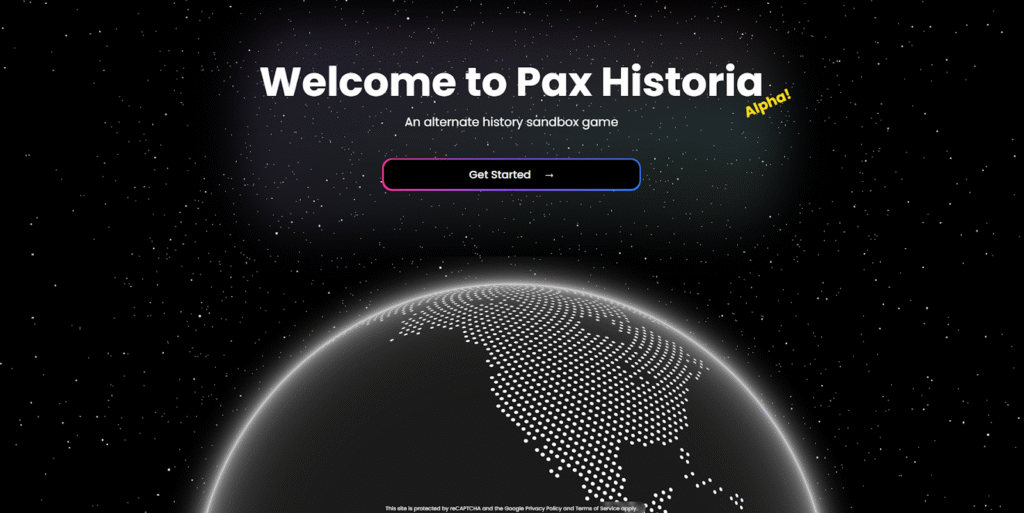
Pax Historia is an AI-powered sandbox that lets players rewrite history. Through this tool, users can choose a country, pick a moment in time, and change the outcome.
Examples of scenarios that can be recreated include what would have happened:
a. If the defunct Soviet Union never collapsed,
b. If Rome never fell, and
c. If Genghis Khan ruled another generation.
The platform goes beyond static storytelling. Players interact with AI-driven nations, advisors, and evolving geopolitical systems. Every decision reshapes the world dynamically.
With over 4,000 community-built presets and tens of thousands of daily active players, Pax Historia has evolved into one of the most creative AI gaming sandboxes in operation today. But “scale” like that requires serious inference infrastructure.
That is where Chutes comes in.
What Chutes Actually Does
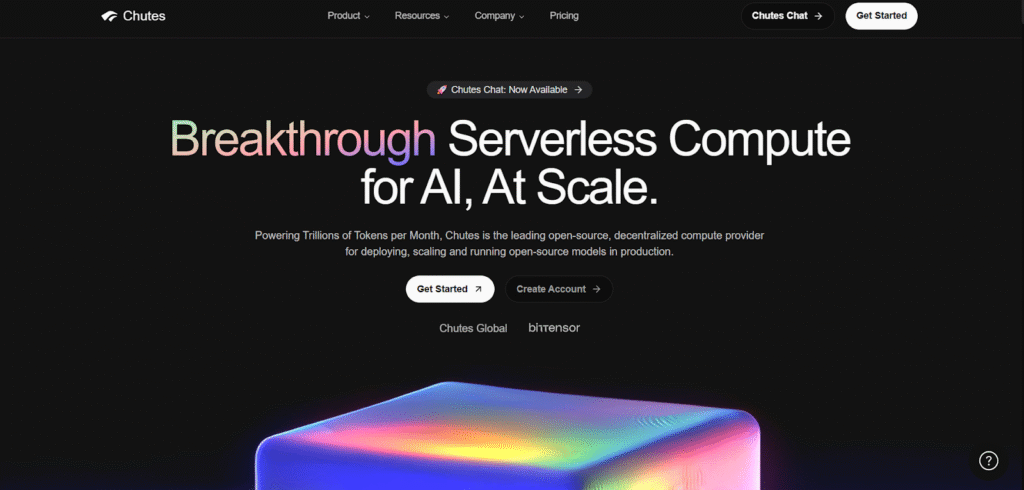
Chutes, also known as Subnet 64 on Bittensor, is a decentralized, serverless AI compute network.
In simple terms, it allows developers to:
a. Deploy AI models instantly,
b. Run inference without managing servers,
c. Scale workloads dynamically, and
d. Pay only for what they use.
Instead of relying on centralized cloud providers, Chutes distributes AI inference across a decentralized network of GPU miners, which developers can integrate through a simple API (Application Programming Interface).
Behind the scenes, GPU providers execute the workloads, and payments are processed through a crypto native micropayment model.
This always results in lower cost, high throughput, reduced infrastructure friction, and model flexibility across text, image, and audio
It functions as a Web3 alternative to traditional AI API providers, and it is already operating at scale.
How Pax Patron Works
Within Pax Historia, the Patron subscription tier unlocks enhanced gameplay and directly supports creators. Pax Patron does three key things:
a. Allows players to reward preset creators with monthly Creator Reward Tokens,
b. Provides 300 free AI requests per day through a selected provider, and
c. Enables users to connect their own API key if desired.
During the first month, users can test both infrastructure providers available on Pax Historia: Chutes and Canopy Wave. This effectively allows up to 600 free requests in the trial period.
However, after the first month, subscribers select one provider for their billing cycle.
Chutes powers one side of this infrastructure, meaning every Patron tier user choosing Chutes routes their inference through decentralized GPU compute.
That is not experimental, that is live consumer-scale traffic.
Why This Integration Matters
This partnership represents something bigger than a feature upgrade. It demonstrates three important shifts:
1. Decentralized AI is Running Real Apps
Chutes is not a whitepaper concept; it is powering a game with tens of thousands of daily users.
2. Web3 Infrastructure is Becoming Invisible
Users of Pax Historia do not need to understand subnets or token economics; they just experience smooth AI-powered gameplay.
3. The Network Effect Compounds
Each integration strengthens Chutes’ credibility. As more applications are onboard, the infrastructure becomes battle-tested, which lowers friction for the next integration.
Recent aggregator onboarding, including Pax Historia and security-focused platforms like RedPill, suggests growing confidence in decentralized inference.
Getting Started With Pax Historia
For new users:
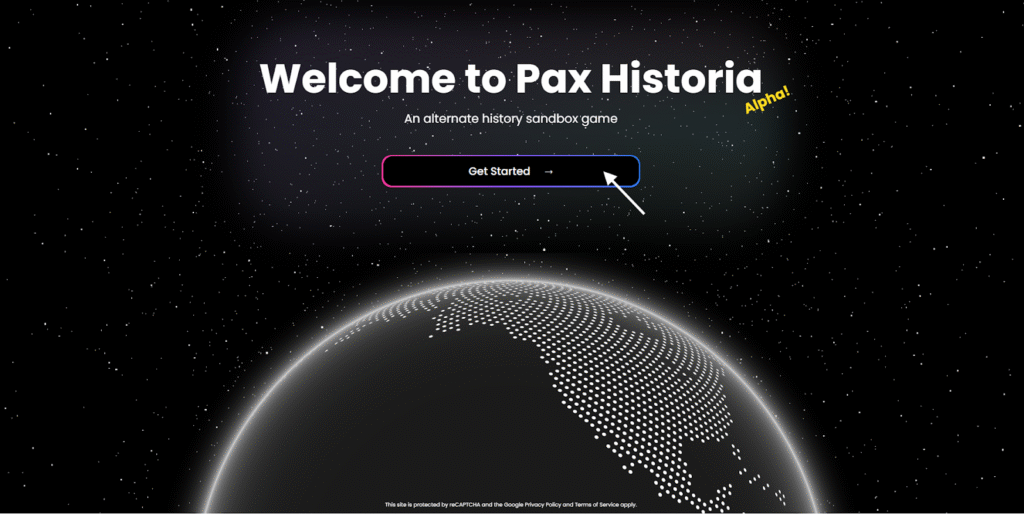
a. Visit Pax Historia, click on the “Get Started” button,
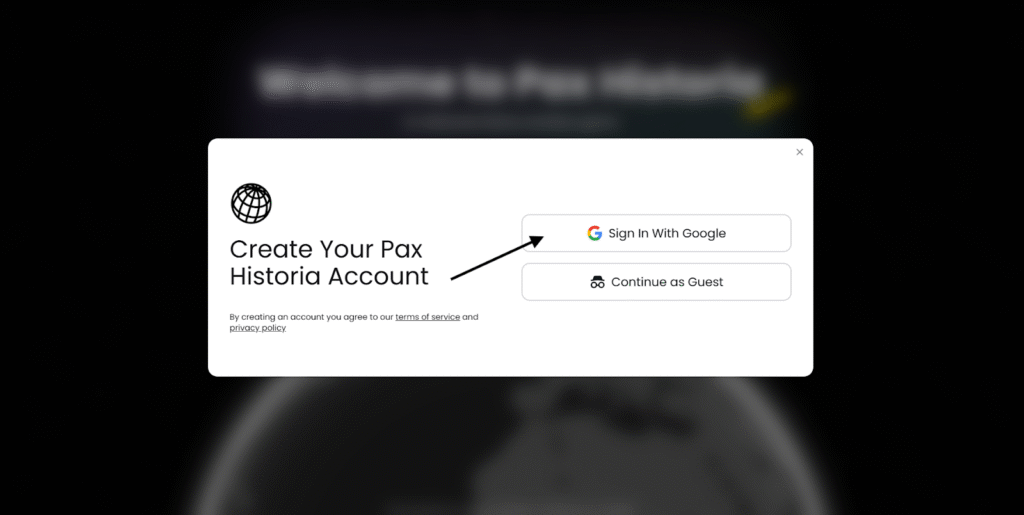
b. Sign in with Google for full token access
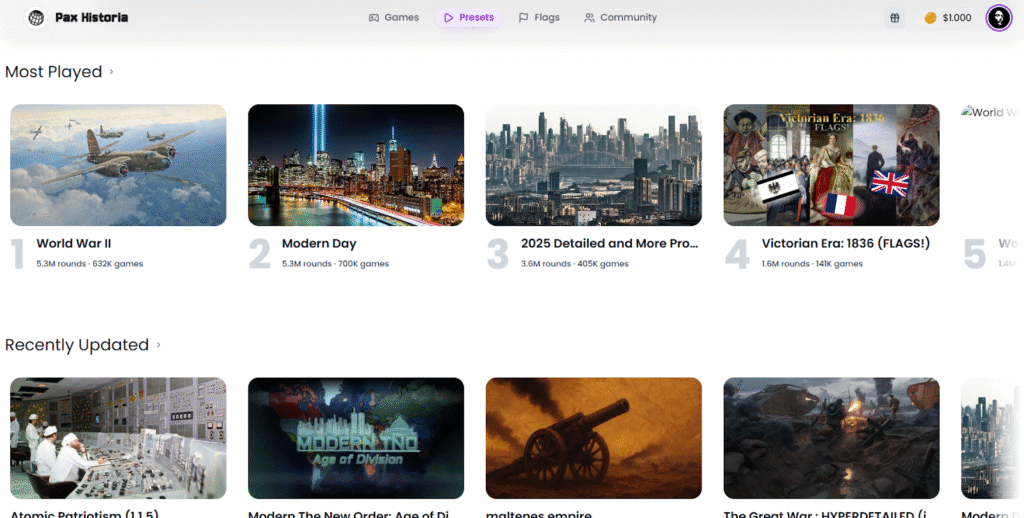
c. Navigate to the “Presets” tab

d. Choose from featured, popular, or community-built scenarios
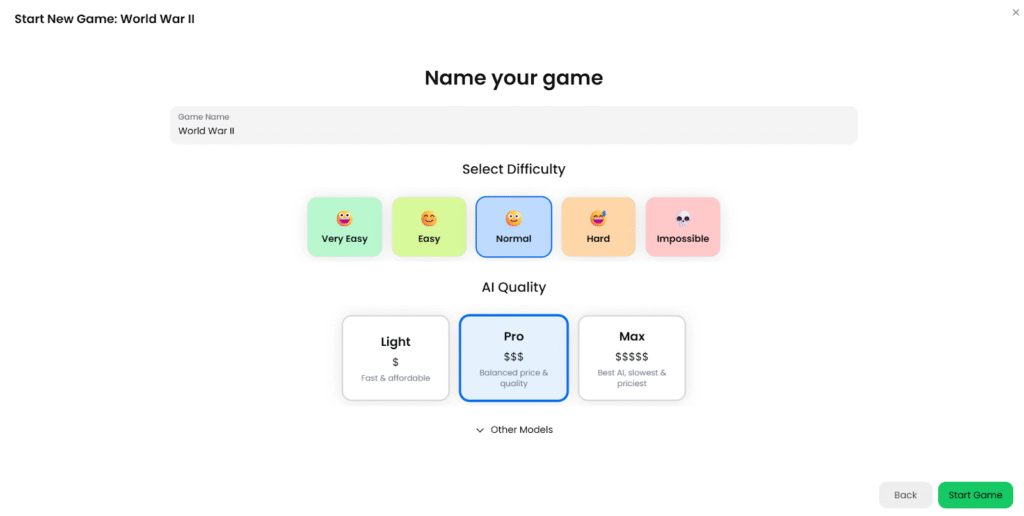
e. Select your country, difficulty, and AI model
f. Begin rewriting history
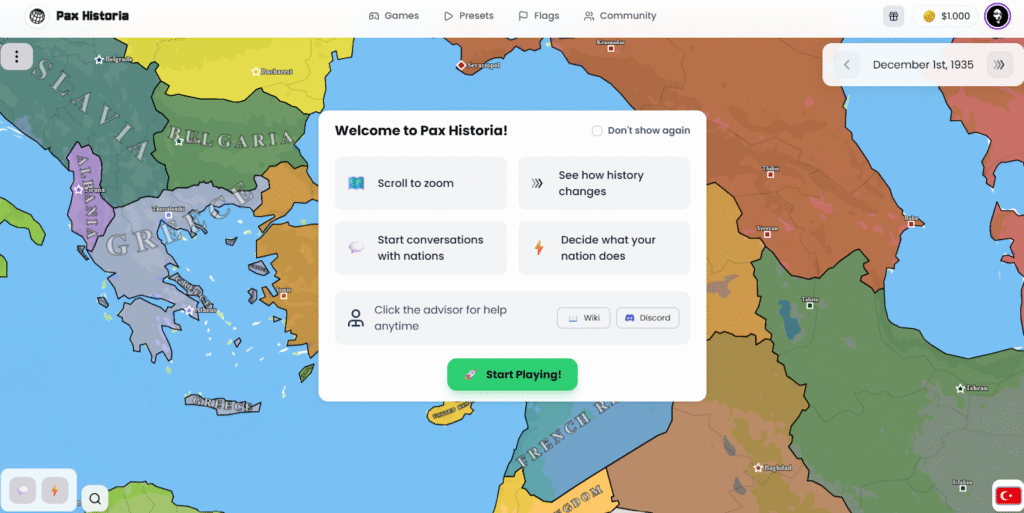
For those wanting extended gameplay and creator support:
a. Click the “Token” icon
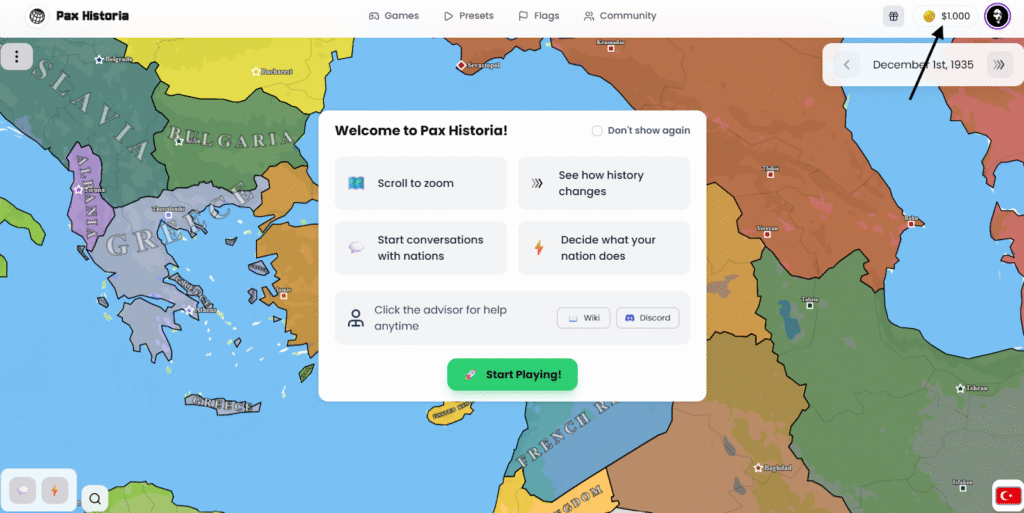
b. Select Patron
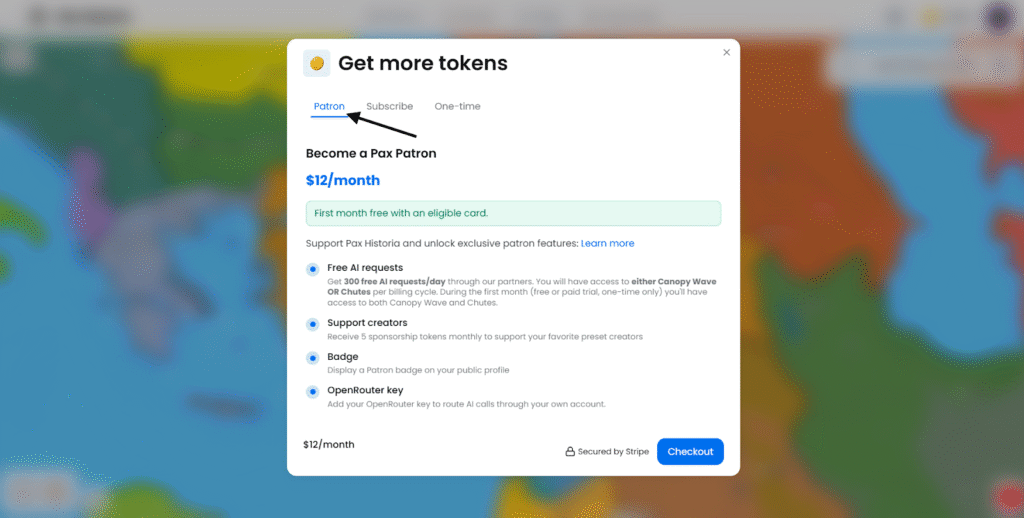
c. Activate the subscription
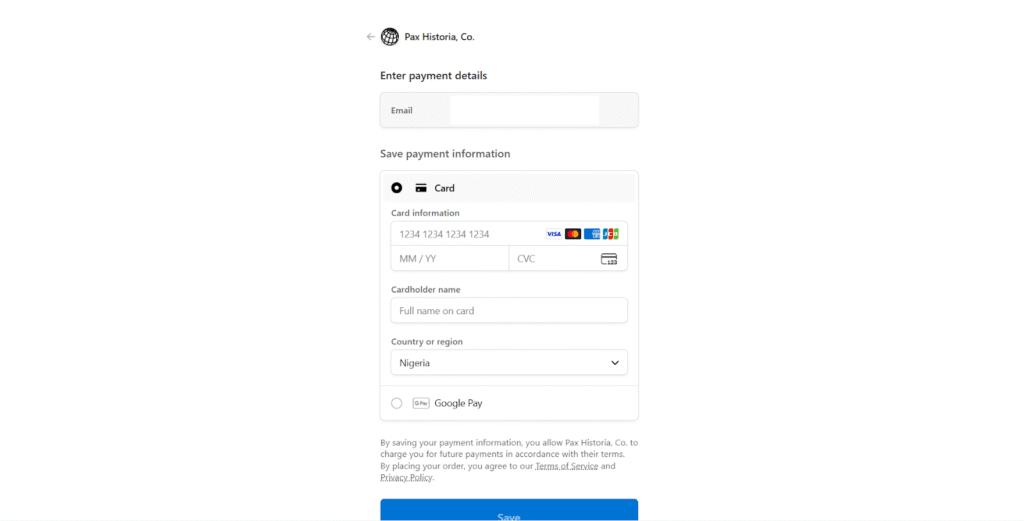
d. Choose your preferred provider
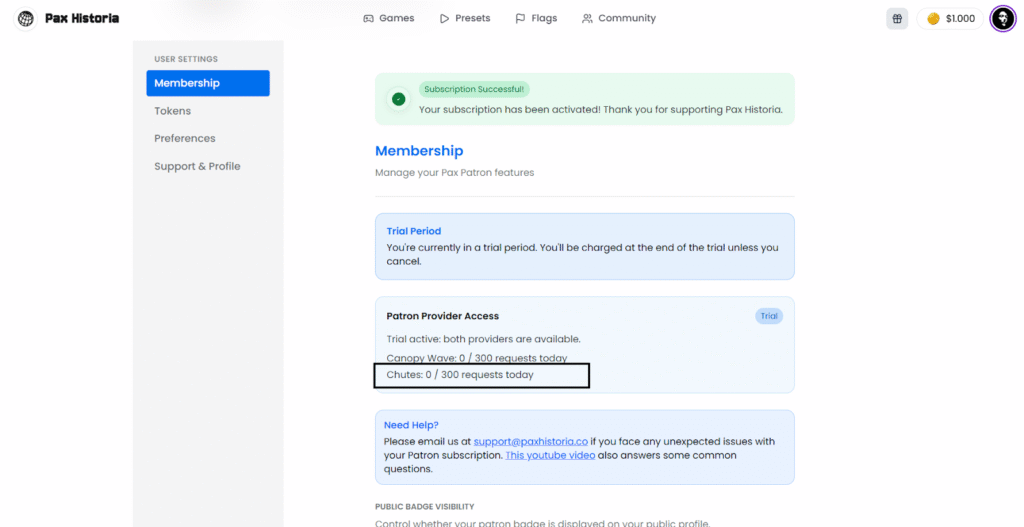
If you select Chutes, your gameplay is powered by a decentralized AI infrastructure under the hood.
The Bigger Picture
The most important infrastructure often operates quietly.
Pax Historia showcases what happens when decentralized AI compute is embedded directly into consumer applications. No friction, no complexity, just scalable inference at speed.
For Chutes, this is validation, and for Pax Historia, this is fuel.
For the broader Bittensor ecosystem? It is proof that decentralized intelligence markets are not theoretical.
They are running live products, the network compounds, and every integration makes the next one easier.
Enjoyed this article? Join our newsletter
Get the latest Bittensor & TAO ecosystem news straight to your inbox.
We respect your privacy. Unsubscribe anytime.

Be the first to comment