


As AI makes cyber attacks faster and easier to scale, demand is growing for models that can help security teams keep pace.
Trishool (SN23) develops and tests AI models for cybersecurity through decentralized miner competitions on Bittensor.
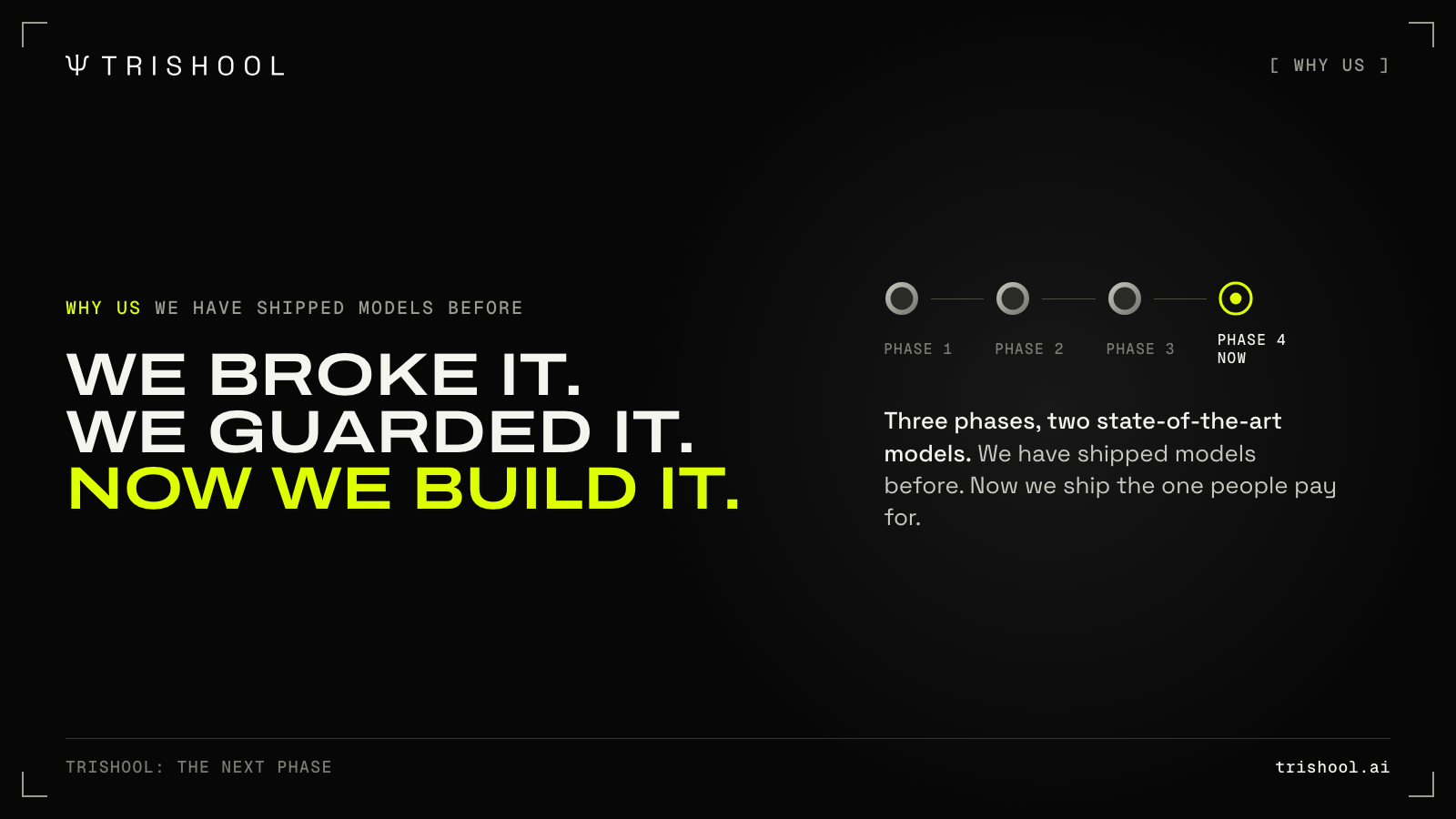
Through its Phase 4, the project is becoming a dedicated cyber model lab, with plans to turn that growing demand into a business that finances its own research.
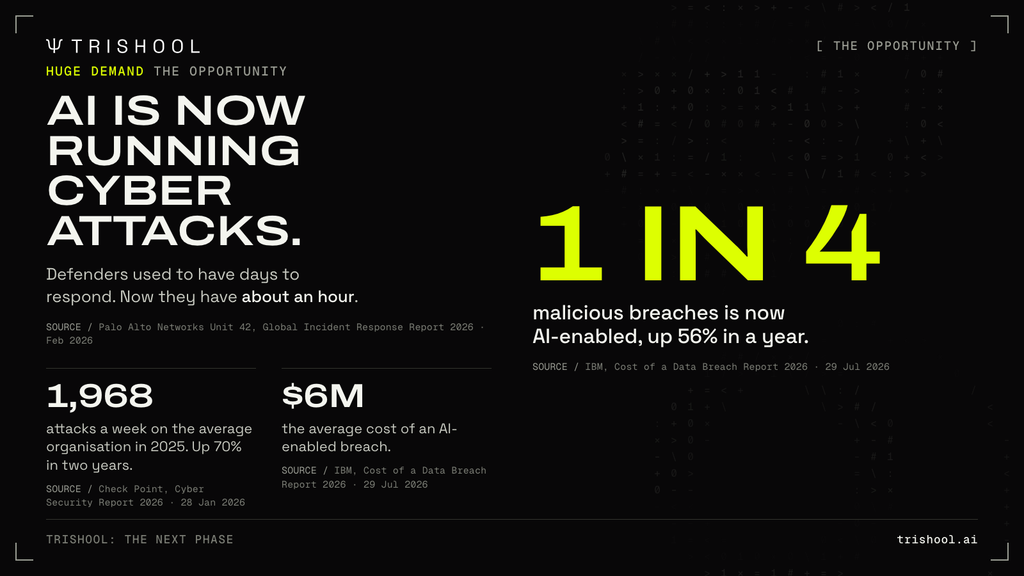
The urgency behind that move is reflected in figures cited by Trishool (SN23). AI now enables one in four malicious breaches, while organizations face nearly 2,000 attacks each week on average.
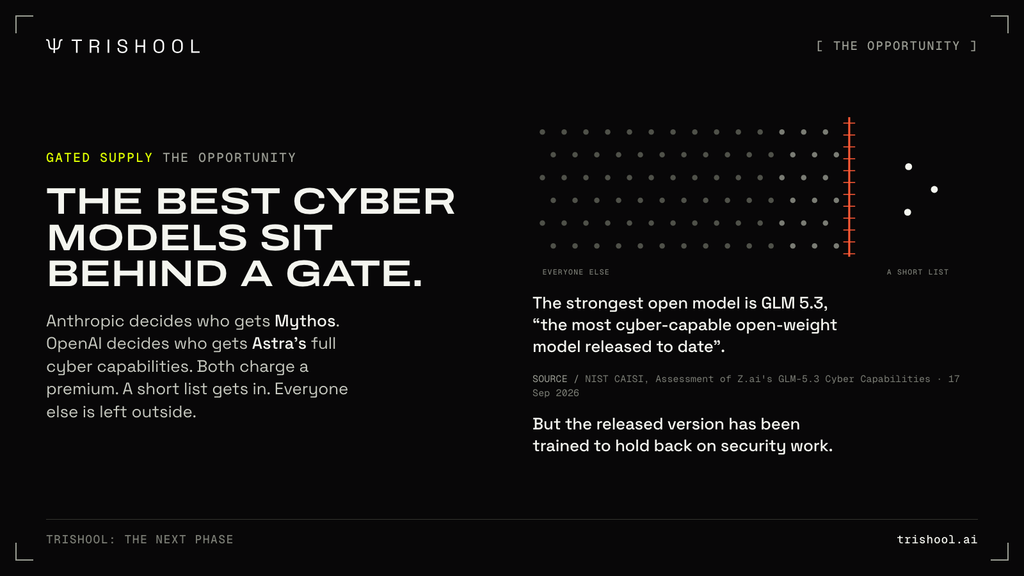
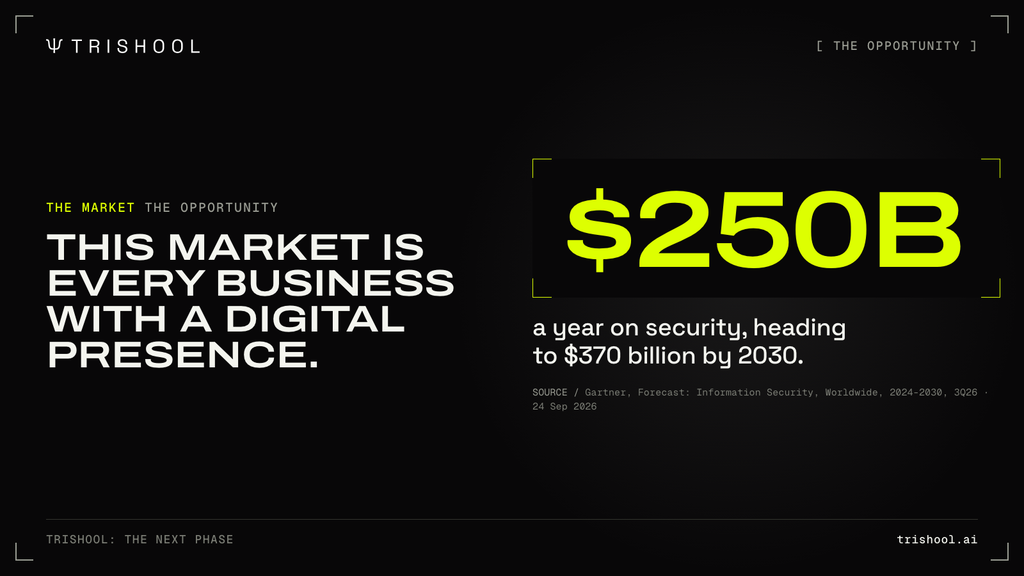
Defenders have increasingly narrow windows to investigate and respond. Despite this pressure, the team argues that restricted availability and premium pricing prevent many organizations from accessing the strongest proprietary cyber models.
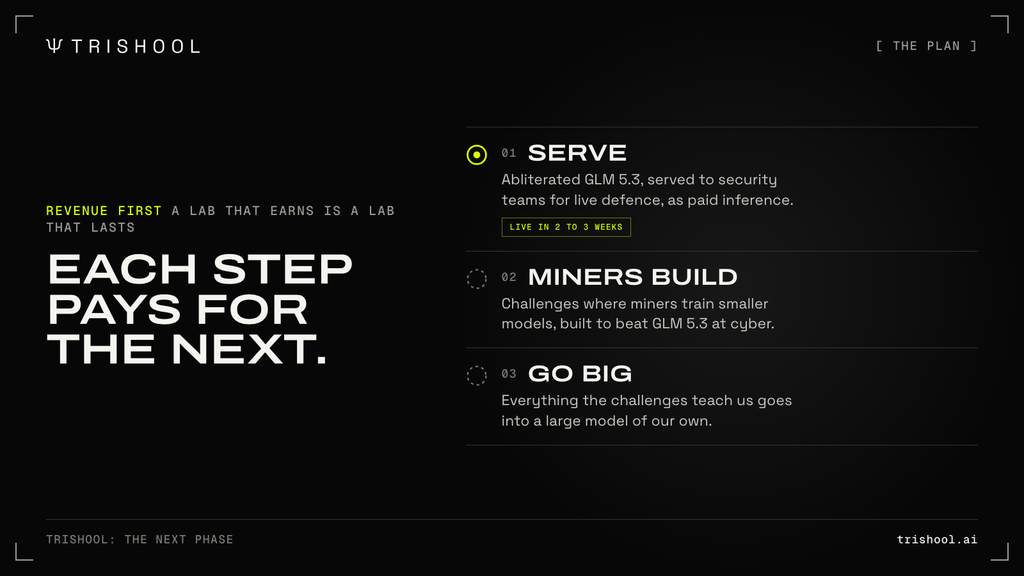
That gap forms the starting point for Trishool’s commercial strategy. Within two to three weeks of its announcement, the project plans to offer paid inference using a modified version of GLM-5.3.
The model will undergo abliteration, a process intended to reduce refusals on security tasks. The service will target teams conducting live defense, establishing an initial source of revenue and a base of paying customers.
With that foundation in place, Trishool (SN23) will introduce miner competitions to train smaller models designed to outperform GLM-5.3 on specific cyber tasks.
These models could offer lower running costs and greater deployment flexibility. Successful entries would become products for existing customers, giving miners a clear commercial objective while expanding the range of tools available through the subnet.
Progress at that stage is intended to support the development of larger original models. Trishool plans to use lessons from customer needs and miner challenges to guide this work, with each phase helping finance the next.
This progression underpins its ambition to deliver a “DeepSeek moment” for cyber AI by making strong open models available at a cost that challenges established providers.
Alongside that development strategy, Trishool has outlined how commercial earnings will support its token economy.
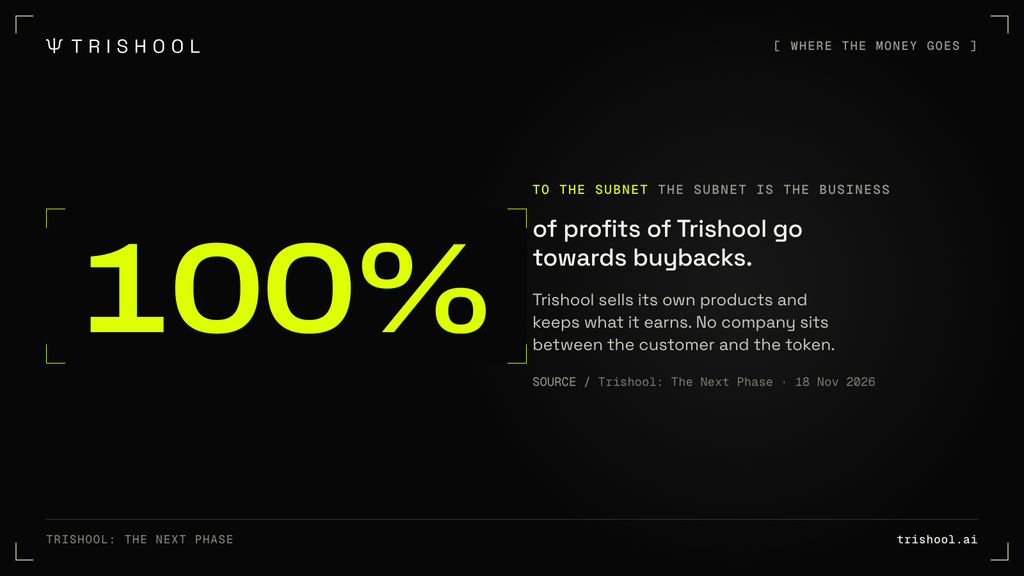
The team says revenue will remain within the subnet, with 100% of profits allocated to token buybacks.
Operating and research costs will determine the amount available. Customers will purchase the subnet’s products directly, keeping the business and its earnings within the same structure.
The move builds on earlier phases focused on exposing system weaknesses and developing defensive models. Trishool is now applying that experience to tools security teams can purchase and use.
Its immediate task is to launch the inference service, secure customers, and demonstrate that miner competitions can produce valuable improvements. Those results will determine whether Phase 4 becomes the foundation of a sustainable cyber AI lab on Bittensor.
Enjoyed this article? Join our newsletter
Get the latest TAO & Bittensor news straight to your inbox.
We respect your privacy. Unsubscribe anytime.
Enjoyed this article?
Join our newsletter
Get the latest TAO & Bittensor news straight to your inbox — every morning before markets open.


No comments yet — be the first.